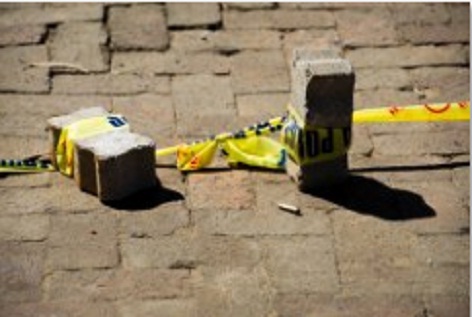
17 Ngwanatsele 2026 – Sepodisi sa Taung se batlisisa kgetsi ya go kgothosa lefelo la kgwebo. Se, se tla morago ga gore banna ba le barataro ba go begwang fa ba ne ba tshotse dithunya, ba ile ba itatlhela ka lefelo le le rekisang nnotagi la Kamo Amo kwa motseng wa Ranstad, gaufi le Taung ka letsatsi la Tshipi.
Go begwa fa banna ba, ba ile ba thuntsa dikolo di le mmalwa pele ga ba ka itatlhela ka lefelo le, le go tshwara poo. Go begwa fa go ne go tshamekiwa kgaisano ya snooker kwa lefelong leo ka lone letsatsi leo.
Sebueledi sa sepodisi mo sedikeng sa Dr Ruth Segomotsi Mompati, Warrant Officer Tryphosa van Rooyen are go begwa fa mongongoregi mo kgetsing e, yo o neng a le mo teng ga lefelo le la go rekisa nnotagi ka nako eo, o ile a utlwa modumo wa sethunya kwa ntle, mme a ya go tlhodimela.
“Go begwa fa a ile a bona batho ba ba neng ba tlile go itisa kwa lefelong leo ba tshaba. Go begwa fa banna ba le bararo ba ba neng ba rwele dithiba-sefatlhego (balaclavas), ba ile ba itatlhela ka lefelo leo.
Go begwa fa ba ile ba tshwara mongongoregi poo, mme ba tsaya madi a seatleng.
“Morago ga moo, go begwa fa ba ile ba tshaba. Kgetsi ya go tshwara lefelo la kgwebo poo e butswe. Ga gona ope o tshwerweng go fitlha ga jaana,” ga rialo Van Rooyen.
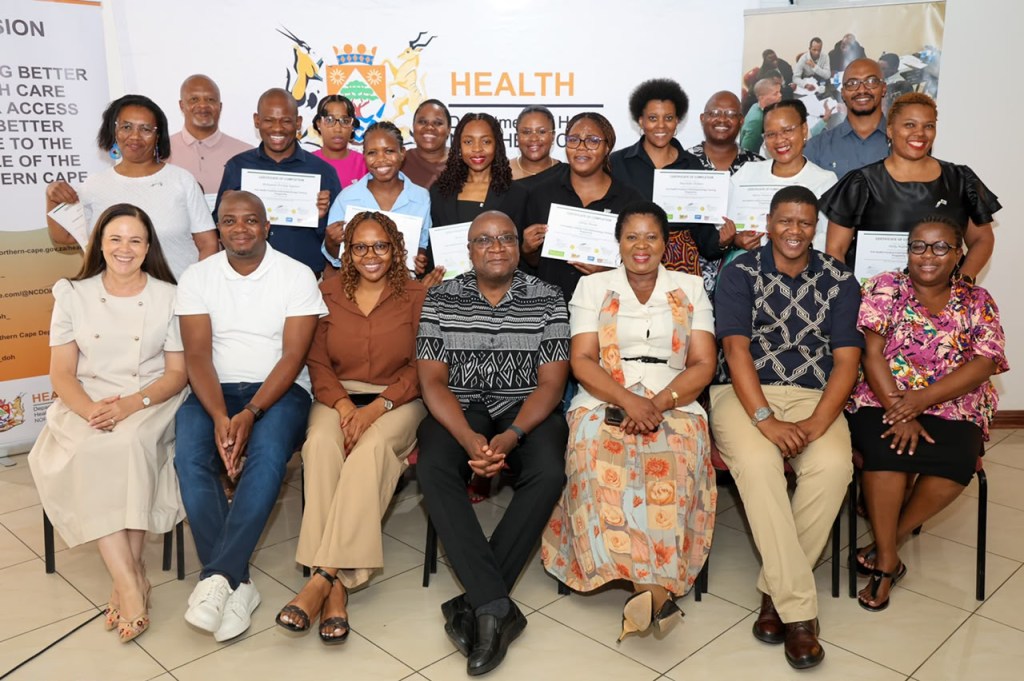
Picture: Northern Cape Health professionals complete FETP/Supplied
By BAKANG MOKOTO
17 November 2026 – The Northern Cape Department of Health celebrated a significant milestone in strengthening public health capacity through the successful implementation and completion of the Field Epidemiology Training Programme (FETP) Frontline tier on 12 November 2026. This very first FETP-Frontline training in the Northern Cape province was launched in August 2026, in collaboration with the South African Field Epidemiology Training Program (SAFETP) of the National Institute for Communicable Diseases (NICD).
The Northern Cape MEC for Health, Nontobeko Vilakazi said FETP-Frontline is a 3-months training that aims to strengthen the use and quality of surveillance data, and outbreak preparedness and response capacity at local level of the public health system. Vilakazi said as part of the training, participants learn epidemiological concepts during classroom sessions, and conduct surveillance data analysis, problem analysis, and case or outbreak investigations during the field intervals.
“Subsequently, participants present reports of their field activities during scientific seminars at the end of the training period. The cohort comprised 14 professionals, including Environmental Health Practitioners, Health Promoters, EPI Programme Managers, and Monitoring and Evaluation personnel from the Department, who have now graduated across all districts in the province.
“The Northern Cape Cohort 1 Scientific Seminar was successfully held on 11-12 November 2026 in Kimberley, bringing together the trainees in the province, facilitators and public health professionals to showcase field epidemiology work conducted during the training programme,” she said.
Vilakazi further said the seminar provided participants with an opportunity to present the findings of their surveillance analyses, outbreak investigations and case investigations conducted across the districts of the Northern Cape Province. She added that participants demonstrated the practical application of epidemiological methods through presentations on a wide range of public health topics, including measles, congenital syphilis, Group A Streptococcus infection, Streptococcus pneumonia, cryptococcal meningitis, salmonella, hepatitis B, healthcare risk waste surveillance, and food safety monitoring.
“These presentations highlighted the importance of disease surveillance, timely case investigation, outbreak detection, and evidence-based public health action in protecting the health of communities across the province. The seminar serves as an important platform for knowledge sharing, peer learning, and constructive scientific discussion.
“Participants demonstrated their growing competencies in data analysis, interpretation of findings, and communication of public health evidence. The presentations reflected the commitment of the trainees to strengthening disease surveillance and response systems within the Northern Cape. The seminar culminated in a certificate award ceremony to formally recognise the participants’ successful completion of the FETP Frontline Epidemiology Training Programme,” said Vilakazi.
She said the training programme forms part of the department’s broader strategy to, among others, increase capacity at district level to implement effective disease surveillance as an early warning system and ensure evidence-based planning. Vilakazi said to improve response to suspected or confirmed disease outbreaks and put preventative measures in place to mitigate spread at community level, strengthen collaboration between Department of Health and Municipality Environmental Health Services in the province.
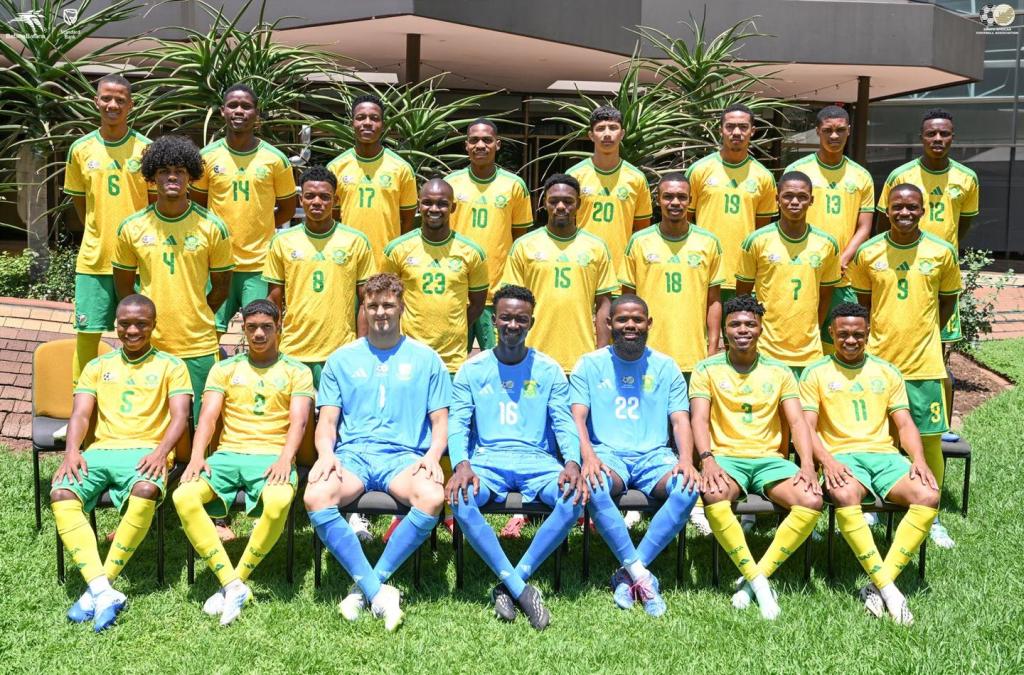
Picture:South Africa’s Under-23 players prepare for their crucial encounter against Madagascar. Picture: Supplied
By KEDIBONE MOLAETSI
17 November 2026 – South Africa’s Under-23 Men’s National Team head coach, Raymond Mdaka, has challenged his players to dig deep and deliver a determined performance when they take on Madagascar in the second leg of their second-round 2028 Los Angeles Olympic Games qualifiers on Tuesday night. The two nations will lock horns at Lucas Moripe Stadium in Atteridgeville, with kick-off scheduled for 8pm.
South Africa head into the decisive encounter holding a slender 1-0 advantage following their victory in the first leg, which was played at the same venue on 14 November 2026. Second-half substitute Quwan Plaatjies proved to be the difference-maker, scoring the crucial goal that handed Bafana Bafana’s youngsters an advantage heading into the return fixture.
However, Mdaka is under no illusion that his team have already secured qualification, warning his players against complacency despite having the advantage. The coach believes Madagascar will be equally determined to overturn the deficit, making Tuesday night’s encounter a demanding test of character, discipline and tactical awareness.
“People might think we are in a much better position because we won the first leg, but I don’t see it that way. You always have to consider the advantage that a single goal gives you. From Madagascar’s perspective, they are also thinking about how best they can score and turn things around.
“That creates another level of pressure because we now have to perform at our best and do everything possible to ensure that we do not concede. Yes, the goal we scored puts us one step ahead, but we still need to dig deep and get the job done,” he said.
Mdaka further said the second-leg encounter promises to be a closely contested affair, with both sides fully aware of what is at stake. He added that the away-goal rule will apply should the teams finish level on aggregate.
“However, there will be no extra time, with a penalty shootout set to determine the winner, if the aggregate scores remain level after regulation time. The winner of this tie will progress to the third round of the qualifiers, where they will face either Rwanda or Cameroon.
“Cameroon currently holds a commanding 3-0 advantage over Rwanda following their first-leg victory, with the two nations also scheduled to meet again on Tuesday evening. The third round of the qualifiers is scheduled for March next year,” said Mdaka.
Meanwhile, the successful teams will advance to the CAF Under-23 Africa Cup of Nations, which will serve as the continental qualifying tournament to determine Africa’s two representatives at the 2028 Olympic Games in Los Angeles, United States. For Mdaka and his charges, the immediate priority is clear, overcome Madagascar, protect their advantage and keep South Africa’s Olympic dream alive.
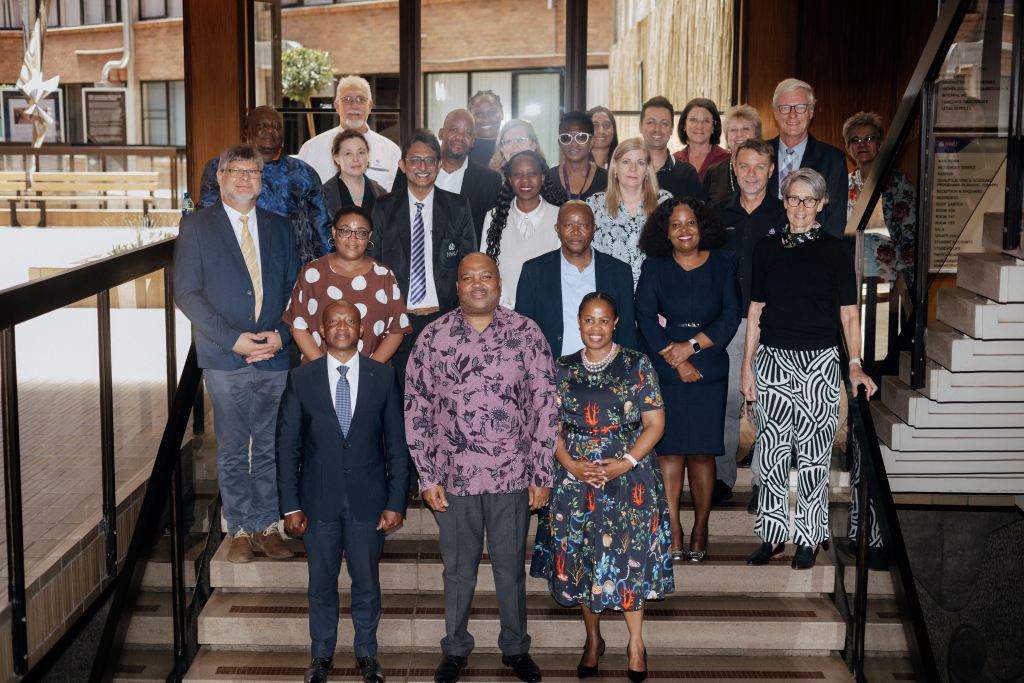
Picture: Delegates at the inaugural meeting of the Joint Agreement Governance Council/Supplied
By REGINALD KANYANE
17 November 2026 – The bilateral agreement between the North West University (NWU) and the North West Department of Health, moved into full implementation with the inaugural meeting of the Joint Agreement Governance Council (JAGC), advancing their partnership to develop the NWU’s Desmond Tutu School of Medicine. The meeting was held on 16 November 2026 and chaired by the North West University (NWU) principal and vice chancellor, Prof Bismark Tyobeka.
“It brought together university and provincial health representatives to constitute the council and establish supporting governance structures to coordinate medical education and clinical training in the province.
“This is a historic moment and the culmination of years of hard work between us as partners. It is testimony to the fact that, if we do things properly in all aspects of governance, changes in leadership should not affect the foundations we have built,” he said.
Tyobeka further said the council gave practical effect to the bilateral Memorandum of Agreement (MoA) signed in 2025, providing a joint governance structure through which the NWU and the department could coordinate their responsibilities in developing the medical school. He added that there are supporting structures including a Health Platform Committee, with subcommittees covering district and distributed training platforms and tertiary and psychiatric hospital platforms.
“Technical advisory work covered human resources, infrastructure, information technology and finance. Together, these structures provided a framework for coordinating medical education and healthcare delivery, ensuring equitable access to training facilities and advancing transparency, accountability and ethical conduct.
“A separate trilateral agreement between the NWU, the department and the University of the Witwatersrand (Wits) is also being finalised. Once signed, it will bring Wits into the framework of cooperation, with its role focused largely on postgraduate medical training,” said Tyobeka.
The Chief Director and Head of the Desmond Tutu School of Medicine, Prof Binu Luke outlined progress towards welcoming the first cohort of students in January 2028.
“Since we started this process in 2023, we have achieved our planned milestones each year. In 2026, we started appointing the staff who will teach our students in 2028. The programme had received Council on Higher Education accreditation, with a Health Professions Council of South Africa accreditation visit scheduled for March 2027.
“The school planned an initial intake of 80 students in 2028, subject to the necessary regulatory approvals. The school’s ambitions extended beyond producing academically qualified graduates. We want a clinically competent general practitioner who is socially conscious and community-orientated, an ethical team player who can think critically and use state-of-the-art technology, including AI,” he said.
Luke said the school’s contribution to North West was central to its planning. He said they must be deliberate about its impact on the province and build that into their academic processes.
The school’s leadership and governance lead, Prof Beth Engelbrecht outlined how the bilateral agreement would support both medical education and provincial healthcare. Engelbrecht said the purpose is to develop fit-for-purpose health professionals, but also, through their partnership with the province, to improve health, improve the quality of care and strengthen the health system.
“The critical point here is partnership, underpinned by values such as integrity, trust and transparency. The JAGC was mandated to oversee the partnership, monitor compliance with the agreement and guide its implementation.
“Its responsibilities included determining access to provincial healthcare facilities for teaching, clinical training and research, developing funding models, and guiding recruitment and infrastructure matters,” she said.
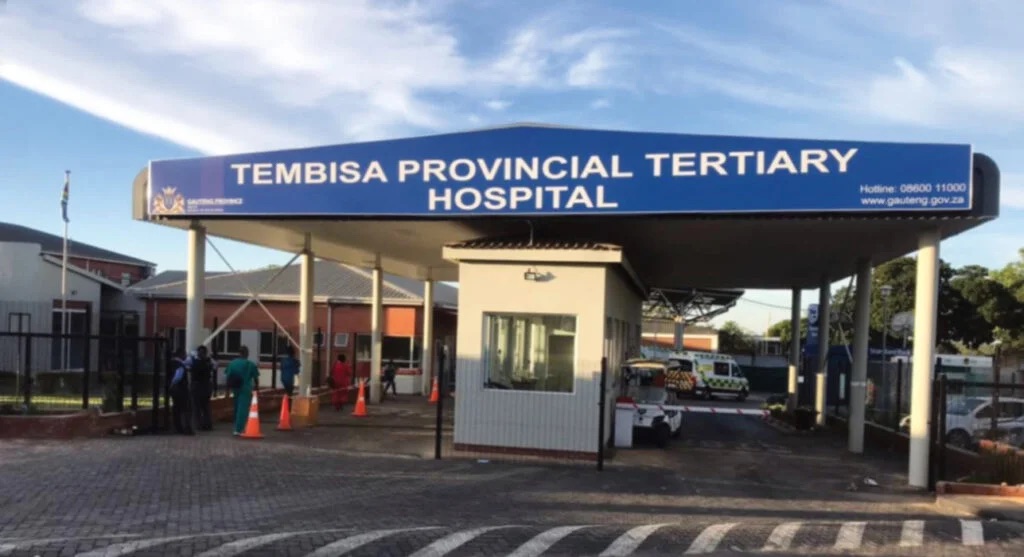
17 November 2026 – The Hawks’ Serious Corruption Investigation team has arrested two additional suspects in connection with the alleged R635 million Tembisa Hospital corruption scandal, bringing authorities closer to holding those implicated in the multimillion-rand procurement fraud investigation accountable. According to Hawks, the two suspects handed themselves over at the Tembisa Police Station on Tuesday morning, 17 November 2026, where they were subsequently processed for their appearance in court.
The Hawks spokesperson, Colonel Katlego Mogale said the arrests form part of ongoing efforts to investigate alleged tender fraud involving Tembisa Hospital’s procurement processes. Mogale said these allegations under investigation include fraud, corruption, forgery and uttering, contravention of the Public Finance Management Act (PFMA) and money laundering.
“It is alleged that certain hospital officials colluded with service providers to manipulate the Request for Quotations (RFQs) procurement system by deliberately splitting procurement transactions into smaller amounts to keep them below the R500 000 threshold, thereby avoiding the prescribed formal tender processes.
“The two suspects are expected to appear before the Palm Ridge Specialised Commercial Crimes Court, sitting at the Palm Ridge Magistrate’s Court, where they will face charges relating to fraud, corruption and money laundering,” he said.
Mogale further said the Hawks remain committed to pursuing all those implicated in the alleged corruption and ensuring that they are held accountable through due legal processes. She added that the investigation into the alleged corruption continues.
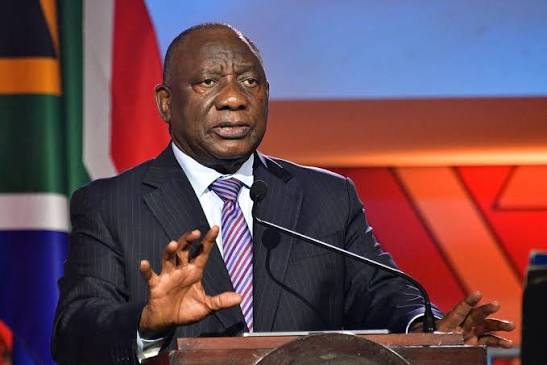
16 November 2026 – The Republic of South Africa (RSA) president, Cyril Ramaphosa said this week, he is leading a delegation of South Africans from government, business, universities and research institutions on a working visit to Silicon Valley in California. Ramaphosa said through this visit, they aim to gain insights into the global development of artificial intelligence (AI) and inform South Africa’s approach to the adoption of AI.
He further said this is vital as advances in AI are changing the way they interact and work in fundamental ways. Ramaphosa said countries that are early adopters of this technology are able to harness its benefits and those who do not will lag further behind.
“A report published by Microsoft’s AI Economy Institute earlier this year found that South Africa ranked 46th out of 147 economies surveyed globally for AI adoption. Another survey conducted by Google and Ipsos last year found that South Africans are adopting AI at rates above the global average and are using it for a variety of tasks including learning and career development.
“While these are welcome developments, we need to use the transformative potential of AI at scale so it benefits all South Africans. This working visit is an opportunity to hear from leading experts at the cutting edge of technology, economics, law and governance about the trajectory of AI, its potential uses and the risks that must be managed,” he said.
Ramaphosa said they want to identify the ways in which AI can be used to transform public services, from education to healthcare to the criminal justice system, to improve the efficiency of government and increase their impact. He said they also want to understand how AI can enable South African firms to improve their productivity and enhance their competitiveness and to generate the growth that will propel our economy forward.
“South Africa offers an opportunity for investors to secure a foothold in a new market with significant commercial opportunities. Just as Africa was a pioneer in the global mobile money revolution, the continent could be the cradle of the next generation of AI technologies. The experience with the mobile revolution showed the potential for African countries to ‘leapfrog’ older systems and adopt new ones.
“South Africa already accounts for the majority of the continent’s total data centre capacity. Beyond the AI applications themselves, there are significant infrastructure investment opportunities in data centres, fibre-optic networks, cloud and other digital infrastructure,” said Ramaphosa.
He said South Africa has world-class research and higher education institutions, a sophisticated financial sector, an enabling policy and regulatory environment, advanced hosting and network infrastructure, and increasing energy reliability. Ramaphosa said they have some of the world’s best renewable energy resources, including abundant solar and wind power that can be produced at a lower cost than almost anywhere else.
“These are real advantages that we must use to position our country to contribute to the great transformation that is now underway. The potential for generating substantial financial returns is significant for AI applications and solutions directed towards agriculture, energy, healthcare, logistics and transport, and key economic sectors.
“Investing in AI in Africa is not an act of charity. It is harnessing a commercial opportunity in one of the world’s largest markets that is ready to adopt these pioneering technologies,” he concluded.
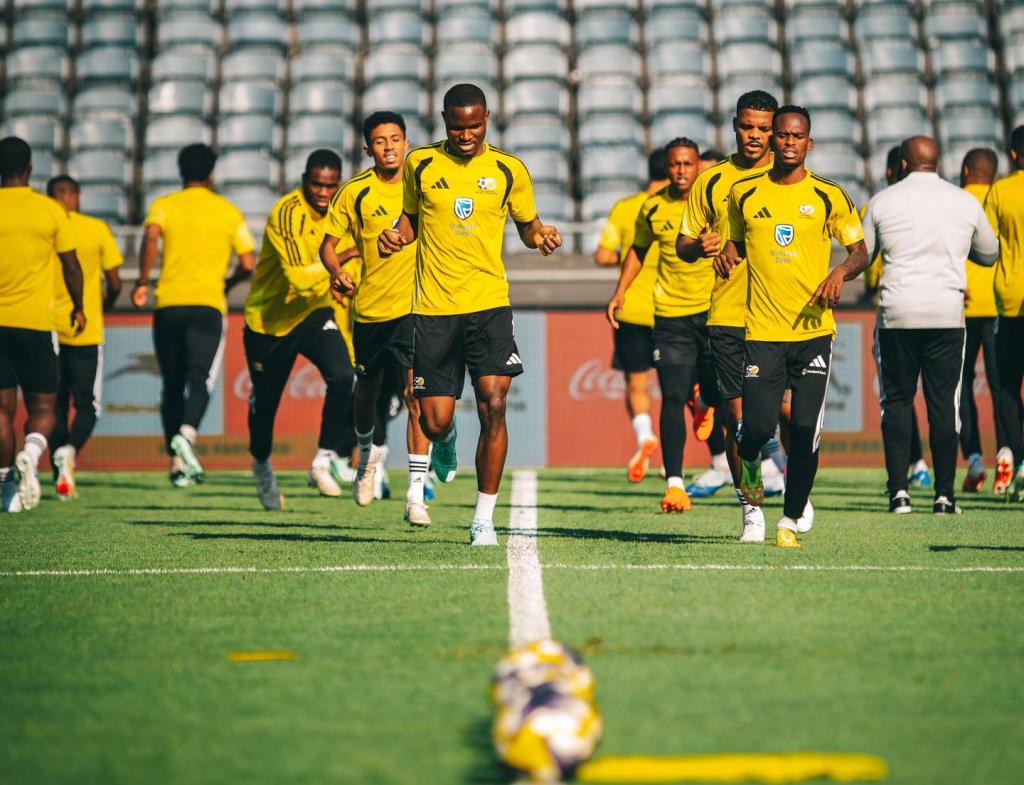
Picture: Bafana Bafana players during training/Supplied
By REGINALD KANYANE
16 November 2026 – Bafana Bafana have settled in very well in Nairobi, Kenya, ahead of their 2027 Africa Cup of Nations qualifier against the home side at Nyayo National Stadium on Tuesday night. The South African senior men’s national team has used the full day they have spent in Kenya effectively after flying to this East African country only a few hours after the 2-2 draw against the Harambee Stars at the Orlando Amstel Arena on Friday night.
Coach Pitso Mosimane said on Sunday he is happy with the response he has seen from the team as focus shifts to Tuesday night’s clash.
“I guess we have done the best we can out of the conditions. So, the best thing was to leave in the early hours of the morning. The earliest flight we could find from South Africa (to Kenya) was at 01h00. We landed in the morning, obviously, around 6am in Kenya. It’s difficult because after the match you don’t sleep, because you have to travel. But it’s better to save the day.
“We arrived well and everything is good, the hotel is good and we can’t complain. The boys rested upon arrival. Yesterday they slept the whole day. We were all tired, to be honest, tired from the match, tired from the fatigue at the game and mentally also. We need to get better because we didn’t get the results we wanted. So, we rested and regenerated late in the evening yesterday so that they could have enough time to rest,” he said.
Mosimane further said they looked good now in the morning and no one is complaining about fatigue. He added that today late in the afternoon, they are going to train and see how the conditions are like.
“The weather is good, I thought it would be very hot, but there is some wind, which is proper, so we can’t make excuses of that,” said Mosimane.
Bafana Bafana received a visit from the South African High Commissioner to Kenya, Salome Mmola, and Political Counsellor Ernest Kgopa on Sunday as the team continues to familiarise itself with their surroundings in Nairobi. The High Commissioner said there is a strong South African presence in Kenya and they will be in attendance to offer support to the team at the stadium on matchday.
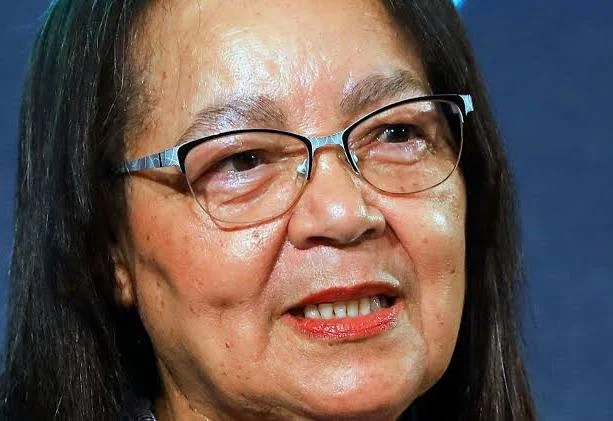
16 November 2026 – Minister of Tourism, Patricia de Lille launched the 2026/27 Tourism Hackathon Challenge at the University of Cape Town (UCT). The initiative brings together 50 students to develop digital tools that help rural and township tourism businesses reach new customers and make it easier for travellers to discover and book local experiences.
De Lille said the digital economy is changing how people discover, plan and book travel. She further said it is also changing how tourism businesses reach customers and compete.
“Our responsibility is to ensure that rural and township businesses can participate in that economy and share in the growth it makes possible. Building on the inaugural 2025 G20 Tourism Hackathon, this year’s challenge is themed: “Community-Based Tourism and Rural Inclusion.” Students from public and private universities offering tourism and hospitality qualifications will work in teams to develop and test prototypes that address challenges small tourism operators face.
“The teams will explore online booking tools for local guides, homestays and village experiences, virtual tours that showcase lesser-known destinations and digital payment solutions for small operators. We urge participants to involve local operators early in the design process and use their feedback to shape the prototypes,” said de Lille.
She added that tourism is economic policy. De Lille said the decisions they make about how they develop and promote their destinations directly affect where investment goes, where jobs are created and who has the opportunity to build a business.
UCT Vice-Chancellor Professor Mosa Moshabela said: “As more of the visitor journey takes place online, access to digital tools and markets must be part of those decisions. The Hackathon supports the Tourism Growth Partnership Plan’s priorities of tourism product development and job creation. The department’s three-year strategic partnership with UCT brings expertise in design thinking, innovation, entrepreneurship and financial technology to the initiative.
“The partnership provides an important platform for collaboration and skills development. Ultimately, the success of this initiative will not only be measured by the ideas presented during the competition, but also by our ability to nurture promising innovations and create pathways for their further development and potential implementation.”
Following the launch, teams will develop working prototypes for the final pitching and awards event, planned for the first quarter of 2027. The department and UCT will explore opportunities to support the top three finalists through relevant innovation and entrepreneurship development programmes.
The department and UCT are working with CATHSSETA, the Centre for Public Service Innovation, Future Leaders Challenge and Geekculture to implement the Hackathon.
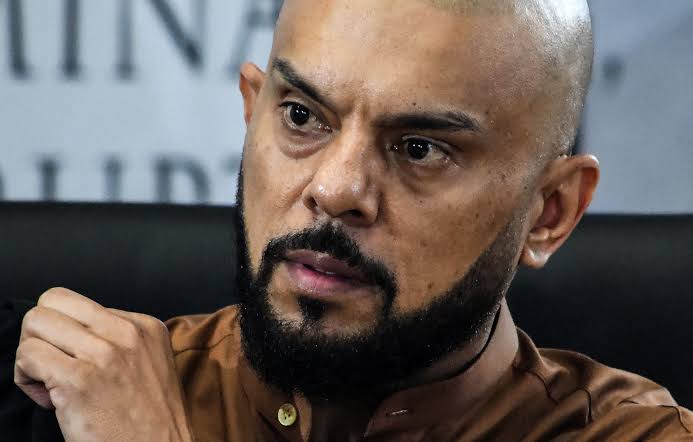
Picture: The embattled North West businessman Suliman Carrim
By REGINALD KANYANE
16 November 2026 – The embattled North West businessman Suliman Carrim (49), who is accused of allegedly attempting to steal two vehicles belonging to ABSA Bank and smuggle them out of South Africa using fraudulent documentation will be back at Musina Magistrate’s Court in Limpopo for bail hearing judgement. The state added two charges against Carrim relating to the alleged employment of foreign nationals whose immigration status did not permit them to work in South Africa.
Carrim applied for bail through an affidavit, which was read before the court. However, the prosecution is opposing his release.
Carrim is facing charges relating to attempted theft of motor vehicles, fraud, uttering and money laundering, with the state alleging that he conspired with his employees to steal two ABSA-owned vehicles.
According to the NPA, Carrim allegedly used fraudulent documentation to facilitate the illegal movement of the vehicles across the South African border. His co-accused, Malawian nationals Mike Phiri Mussa (41) and Ibrahim Zakes (36), were arrested at the Beitbridge Border Post while allegedly attempting to cross into Zimbabwe with the vehicles.
Carrim was subsequently arrested on 21 October 2026.
The matter has attracted attention because of the allegations involving financial crime, the suspected use of fraudulent documents and the alleged cross-border movement of stolen assets.
The National Prosecuting Authority (NPA) regional spokesperson in Limpopo, Mashudu Malabi, said the authority remained committed to prosecuting cases involving organised criminal activities, financial crimes and the unlawful movement of assets across the country’s borders. Malabi emphasised that the NPA would continue pursuing offences involving alleged organised criminal networks, financial misconduct and the movement of assets across South Africa’s borders wherever the available evidence supports prosecution.
“The court is expected to deliver its decision on Carrim’s bail application on 16 November 2026. The outcome will determine whether the businessman remains behind bars while awaiting further proceedings or is released on bail, subject to any conditions imposed by the court,” said Malabi.
16 November 2026 – The Moral Regeneration Movement (MRM) in the North West has called for zero tolerance towards drunken driving, excessive speeding and reckless behaviour on public roads, urging motorists and law enforcement agencies to intensify efforts to prevent road crashes and save lives.
The call was made on Sunday, as the world marked the World Day of Remembrance for Road Traffic Victims, observed annually on the third Sunday of November to honour those who have lost their lives in road crashes and acknowledge the suffering of their families and survivors.
MRM North West Provincial Convenor, Pastor Lesiba Kgwele said the road safety should be regarded as a shared moral and social responsibility, requiring responsible behaviour from motorists, effective law enforcement and a collective commitment to protecting human life. Kgwele said according to the United Nations, approximately 1.35 million people die in road traffic crashes globally every year, making road crashes one of the leading causes of death among children, teenagers and young adults.
“The MRM expressed concern that irresponsible driver behaviour, particularly driving under the influence of alcohol, speeding and reckless driving, continues to contribute significantly to the loss of lives on public roads.
“Despite ongoing road safety awareness campaigns warning motorists about the dangers of drunken driving, speeding and reckless driving, the persistently high number of motorists found intoxicated or driving under the influence of alcohol at roadblocks remains a serious concern,” he said.
Kgwele further said such irresponsible behaviour places the lives of motorists, passengers, pedestrians and other road users at unnecessary risk. He highlighted that road fatalities and injuries have far-reaching consequences beyond the immediate loss of life, placing an enormous financial and social burden on the Road Accident Fund (RAF), the motor insurance industry and the public healthcare system.
“The consequences of irresponsible driving are often endured most severely by vulnerable family members, particularly widows, widowers and children who are left to deal with the emotional, psychological and financial effects of losing their loved ones.
“The tragic reality is that innocent families continue to suffer because of the reckless and selfish decisions of individuals who disregard the value of human life and fail to consider the long-term consequences of their actions,” said Kgwele.
He added that no family should have to endure the pain of losing a loved one because another road user chose to drive irresponsibly. Kgwele emphasised that, with the festive season approaching, the MRM has urged motorists and public transport operators to prioritise vehicle safety by ensuring that their vehicles are roadworthy before embarking on any journey. He said drivers have also been encouraged to plan their trips carefully, avoid unnecessary risks and comply with all road traffic regulations.
“We would like to specifically cautioned motorists undertaking long-distance journeys to guard against driver fatigue by arranging relief drivers where possible or taking regular breaks, preferably after every two hours of driving.
“Those who will be embarking on long holiday journeys during the festive season should consider having relief drivers or stopping to rest after every two hours on the road. Fatigue is a silent killer and motorists must never underestimate the dangers of driving while tired,” warned Kgwele.
He said the movement further called for ethical conduct and accountability among road traffic law enforcement officials, warning that corruption and bribery undermine road safety by allowing unroadworthy vehicles and unqualified or dangerous drivers to remain on public roads. Kgwele said law enforcement officials have an important responsibility to ensure that road traffic regulations are applied fairly and consistently, without favouritism or corrupt practices that could compromise public safety.
“Corruption severely undermines road safety and financial sustainability. It allows dangerous vehicles and unqualified drivers to remain on our roads while draining billions of rand from public infrastructure and compensation funds.
“Systematic bribery and maladministration contribute to the conditions that result in road crashes and place additional pressure on state institutions such as the Road Accident Fund,” he said.
The MRM reiterated that reducing road fatalities requires more than law enforcement operations and awareness campaigns. It said it requires a fundamental change in attitudes, ethical behaviour and respect for the lives of other road users.
“The movement has therefore called on all motorists, public transport operators, law enforcement agencies and communities to work together towards safer roads, stressing that every road user has a responsibility to prevent avoidable tragedies,” concluded Kgwele.