8 September 2026 – As part of the government’s effort of staying connected with communities, the Northern Cape Premier, Dr Zamani Saul, will lead an Executive Council Outreach Programme to the community of Griekwastad in the Siyancuma Local Municipality. Saul said the Outreach Programme will take place at Rademeyee Primary School in Griekwastad on 9 September 2026, at 9am.
“Government Departments will also render services at the venue for the day,” he said.
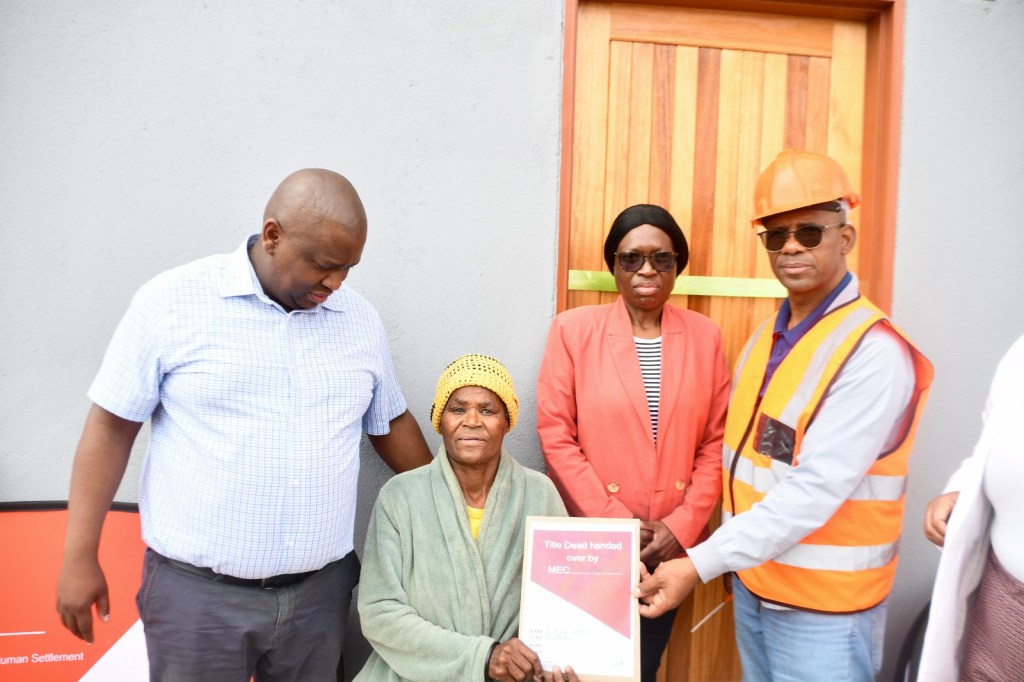
Picture: The Northern Cape MEC for CoGHSTA, Lebogang Motlhaping handing over RDP houses/Supplied
By AGISANANG SCUFF
8 September 2026 – The Northern Cape MEC for Cooperative Governance, Human Settlements and Traditional Affairs (CoGHSTA), Lebogang Motlhaping successfully handed over 10 houses and title deeds to beneficiaries at the Hopetown 60 Housing Project in the Thembelihle Local Municipality situated in the Pixley Ka Seme District on Tuesday.
Motlhaping, who was accompanied by the Executive Mayor of the Pixley Ka Seme District, Rhoode Itumeleng and other councillors from the Pixley Ka Seme District and Thembelihle Local Municipalities said this housing project is part of the broader One-Billion-Rand Housing Project implemented across the Northern Cape, aimed at expediting housing delivery, eradicating informal settlements and restoring dignity to communities across the province.
“Today, we are happy to be handing over the first batch of completed houses to this project. We have engaged with the contractors to step up their efforts to ensure that we are able to deliver more houses to beneficiaries.
“We have also handed over title deeds to the beneficiaries to ensure that people are legitimate property owners with registered assets that protect them from illegal claims and give peace of mind to their children,” he said.
As part of promoting environmental sustainability, as well as the greening and beautification of communities, Motlhaping, joined by the local leaders, also planted trees at the homes of the beneficiaries. He further said the tree-planting symbolic gesture reinforces the provincial government’s vision of developing sustainable, liveable human settlements rather than mere shelter.
“The department remains committed to accelerating service delivery, restoring human dignity and improving the quality of life for all residents across the Northern Cape,” he added.
Itumeleng urged community members and home beneficiaries to preserve, value and maintain their properties, while warning them against the illegal selling of government-subsidized homes.
Meanwhile, one of the happy beneficiaries, Lucas Eberson (68), said: “Receiving my house and title deed at the same time fills my heart with joy because I finally have a place to call my own and the proof to protect it for my children.”
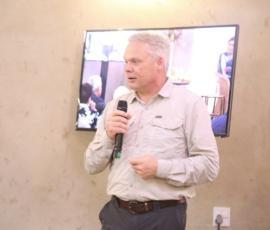
Picture: The Minister of Agriculture, Willie Aucamp
8 September 2026 – The conclusion of export negotiations between South Africa and Egypt is set to pave the way for South African beef and livestock producers to access Egypt’s substantial consumer market, providing a potential boost to the country’s red meat industry.
The Minister of Agriculture, Willie Aucamp, announced the breakthrough at the recent Agri North West Congress.
The minister noted that the development represents a significant development, as the red meat sector continues to navigate one of South Africa’s biggest Foot-and-Mouth Disease (FMD) outbreaks in decades.
“This is a major milestone for South Africa’s agricultural sector, which has been facing one of the biggest Foot-and-Mouth Disease outbreaks in decades,” Aucamp said.
South Africa and Egypt successfully concluded negotiations on the Veterinary Health Certificate (VHC) governing the export of red meat from South Africa to Egypt, paving the way for shipments to be cleared to move once the final signatures have been formally appended to the agreement.
Aucamp emphasised the urgency of concluding the negotiations to his team, given the importance of new markets to red meat farmers.
“I sat with my team on Monday [last week] and emphasised that we have to get this right as our red meat farmers need this, and I am pleased that the team made it happen,” he said.
The minister thanked the negotiating team for its efforts highlighting that government’s role is to support and enable the agricultural sector to succeed, rather than create unnecessary obstacles.
“The outcome of these negotiations was achieved through constructive engagement with the Egyptian veterinary authorities. Government remains committed to strengthening international trade relations and expanding market access opportunities for South Africa’s red meat sector,” the Minister said.
The finalisation of the VHC provides South African exporters with a clear regulatory framework for accessing the Egyptian market while ensuring that the necessary animal health and food safety requirements are met.
The development could enable South African red meat producers and processors to expand their operations, diversify export destinations and grow their contribution to the economy.
The minister noted that the agreement is aligned with government’s apex priority of inclusive economic growth and job creation, while supporting efforts to strengthen the resilience and competitiveness of the agricultural sector.
“Every international market South Africa opens creates an opportunity for money to flow back into the rural economy and build commerce along our value chains,” Aucamp said. –SAnews.gov.za
8 September 2026 – The Republic of South Africa (RSA) president, Cyril Ramaphosa said on Sunday, they held the South African Police Service National Commemoration Day, as they do every year, where they honour the police officers, who were killed in the line of duty in the past year. Ramaphosa said over the twelve months to March this year, twelve police officers lost their lives in the line of duty.
He further said although this is half as many deaths as the year before, even one death of a SAPS member is one too many. Ramaphosa added that each of these officers was a colleague, a friend and a member of a family.
“Their deaths remind us of the risks that thousands of police officers take every day so that the rest of us may be safer. We honour the bravery of these officers who put their lives on the line in the service of their country.
“As we consider the challenges facing our police today, it is worth remembering just how far we have come. For most people, the South African Police Service (SAPS) is the first they turn to when their safety is threatened, when there is an emergency or when they need to report a crime,” he said.
Ramaphosa said when the people call the police, often at a moment of great distress or danger, they expect that someone will answer. He said they expect that help will come.
“They expect that the law will protect them. This is an expectation that every South African has, regardless of where they live. The Constitution makes the SAPS responsible for law enforcement. Although the private security industry provides some complementary services, the responsibility for keeping the public safe ultimately rests with the state.
“Private security may protect those who can afford it, but public safety must be available to all. The SAPS remains at the fore of the work to keep our country safe. Beyond visible policing on our streets and in our communities, the SAPS conducts operations critical to our economy. This includes combating illegal mining through Operation Vala Umgodi and operations to dismantle syndicates involved in cable theft and infrastructure vandalism, smuggling and counterfeiting, human trafficking and other priority crimes,” said Ramaphosa.
He said much of this work happens away from public view. Ramaphosa said every day, police officers investigate crimes, track down suspects, gather evidence, patrol the communities and confront dangerous criminals.
“Our men and women in uniform do so at a great cost to their personal safety. We often take for granted just how far we have come when it comes to the transformation of law enforcement in this country. The old South African Police was about control and brute force.
“It was dedicated to maintaining the apartheid order while suppressing any resistance or protest. For millions of South Africans, the police were not people to whom they could turn for protection. They were instruments of an oppressive state,” said Ramaphosa.
Following the democratic breakthrough, Ramaphosa said they began the hard task of building a new police service that was aligned with constitutional values and human rights and that was accountable to the people it is mandated to serve. He said this required much more than changing the name of the police force.
“It required changing the very purpose of policing. We had to build a police service that no longer existed to protect the state from the people, but to protect the people and uphold their rights. Today, the work of the SAPS is subject to the oversight of a parliamentary portfolio committee, and the Independent Police Investigative Directorate was established to look into allegations of police misconduct.
“This accountability is an essential feature of democratic policing. Those who are entrusted with enforcing the law must themselves be subject to the law,” said Ramaphosa.
He said the re-orientation of the SAPS to service and accountability has been thrown into sharp relief as a number of apartheid-era crimes are under scrutiny, including Steve Biko’s death in police custody in 1977 and the case of the Cradock Four, who were murdered in 1985. Ramaphosa said despite being offered amnesty by the Truth and Reconciliation Commission in return for full disclosure, a number of apartheid-era police chose dishonesty and misrepresentation of the facts surrounding the deaths of the people they killed.
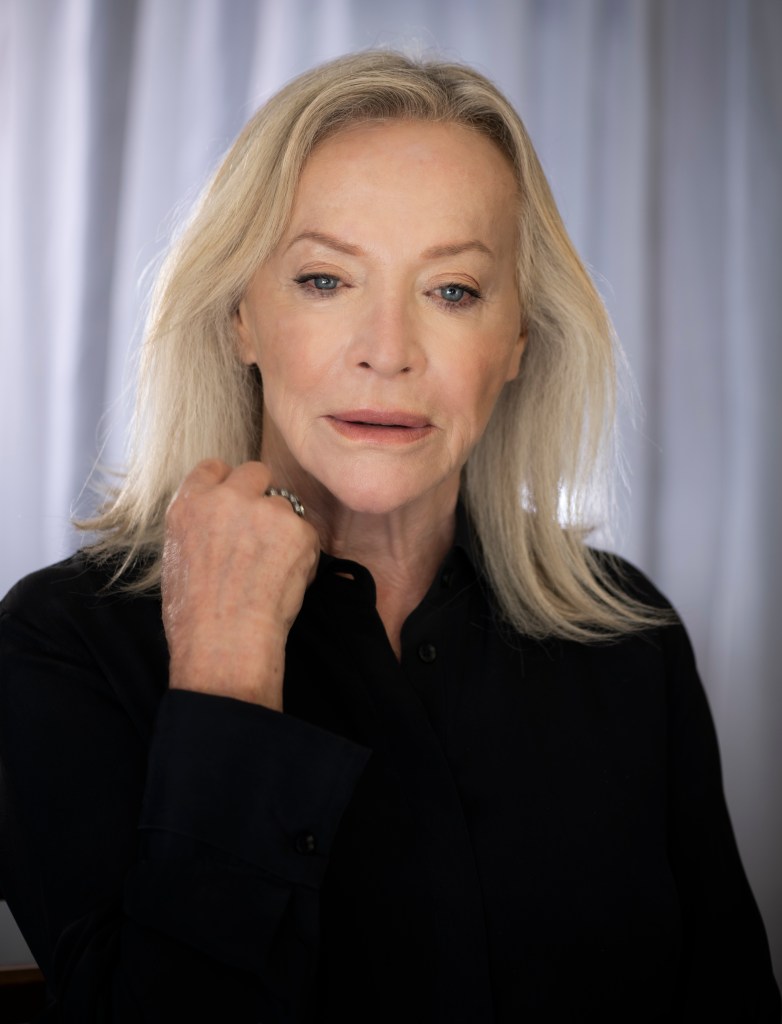
8 September 2026 – Sandra Prinsloo is a cultural icon and one of South Africa’s undisputed queens of stage and screen. With a career spanning more than five decades and a legacy that will be remembered as much for her performances as for her courage in challenging social conventions, Prinsloo will receive an honorary doctorate from the North West University (NWU) on 29 September in Potchefstroom campus.
The North West University (NWU) spokesperson, Bertie Jacobs said the nomination was made by the School of Creative Industries and Performing Arts in the Faculty of Humanities. Jacobs said Prinsloo’s career has encompassed more than 120 theatre, film and television productions, establishing her as one of South Africa’s most accomplished and influential performers.
“Her work has remained relevant across generations, reflecting exceptional versatility and a willingness to confront some of the country’s most difficult social realities. She has performed in works by celebrated playwrights such as William Shakespeare, Henrik Ibsen, Anton Chekhov and Athol Fugard, as well as in numerous contemporary South African productions.
“Her international appearances in England, France, Germany, Scotland, Ireland, Sweden, China and the United States have further strengthened her standing as a cultural ambassador for South Africa,” he said.
Jacobs further said one of the defining moments of Prisnsloo’s career came in 1985, when she appeared opposite John Kani in August Strindberg’s Miss Julie. He added that staged at the height of apartheid, the production challenged the country’s racial taboos through its depiction of an interracial relationship.
“As the first white South African actress to perform intimate scenes on stage with a black actor, Prinsloo faced public hostility, bomb threats and personal ostracism. Her decision to remain with the production demonstrated the power of theatre to transcend entertainment and become an instrument of resistance, dialogue and social change.
“Her willingness to place her personal and professional standing at risk in pursuit of artistic truth helped redefine the ethical responsibility of the artist in society. Prinsloo also has a longstanding connection with Potchefstroom through her involvement in the Aardklop National Arts Festival,” said Jacobs.
He said acclaimed productions such as Kamphoer, My Seuns, Oskar en die pienk tannie, Naaimasjien, Die Seemeeu and So ry Miss Daisy have helped elevate the festival’s artistic standing and contributed to the cultural vitality of the region. Jacobs said Prinsloo’s appearances have attracted audiences, encouraged critical engagement with theatre and strengthened Potchefstroom’s reputation as an important centre for the performing arts.
“Her continued association with Aardklop has also created opportunities for NWU students to experience professional theatre of the highest calibre. Her achievements have earned her numerous distinctions, including the Order of Ikhamanga in Silver in 2014, for her contribution to the performing arts and her opposition to racism.
“She has also received multiple Fleur du Cap and kykNET Fiësta awards, as well as a Lifetime Achievement Award in 2022. Beyond acting, Prinsloo has contributed to South African cultural life as a director, television presenter and interviewer,” he said.
Jacobs said Prinsloo has directed theatre and cabaret productions since 1990, helping to develop new artistic narratives and nurture creative talent. He said through her television work, she has similarly introduced wider audiences to local and international artists and cultural conversations.
“As deputy chair of the Stigting vir Bemagtiging deur Afrikaans (SBA), Prinsloo is also involved in empowerment projects through which she produces television programmes about the heritage and stories of disadvantaged communities. These programmes pay particular attention to the influence of languages spoken within these communities on the development of Afrikaans.
“Throughout her career, Prinsloo has remained closely engaged with questions of identity, justice and human relationships. Recognition from organisations such as the Blue Fountain Club of Soweto has highlighted her contribution to the black film industry and her longstanding commitment to greater inclusion in the arts,” said Jacobs.
Meanwhile, the event will take place at Senate Hall, Building F1, NWU’s Potchefstroom Campus on 29 September 2026 at 5pm.
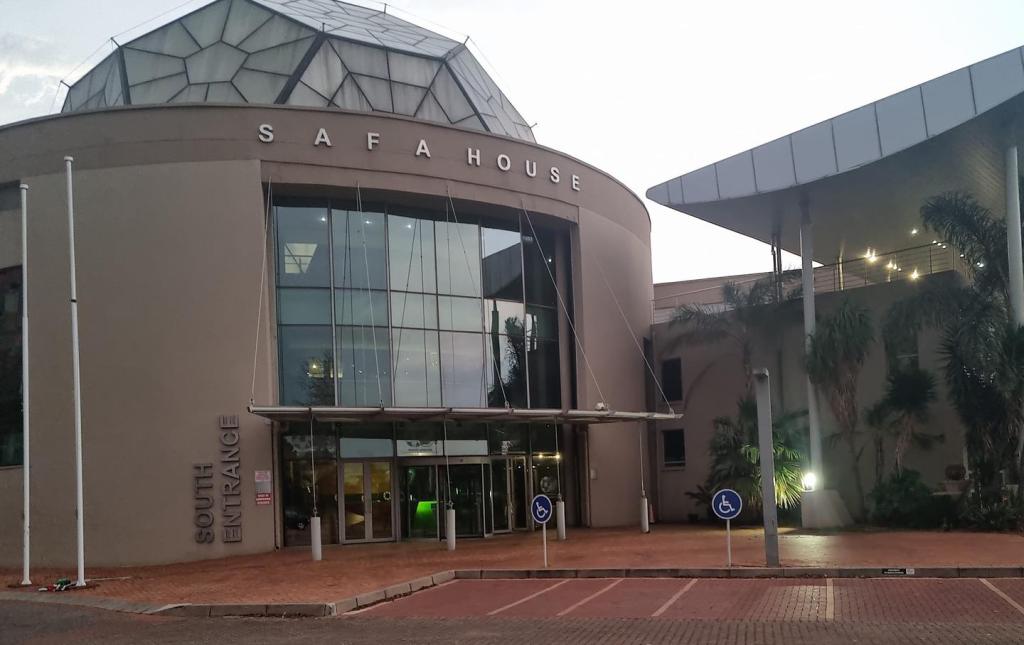
8 September 2026 – The South African Football Association (SAFA) wishes to clarify that the delay in paying Bafana Bafana players and support staff bonuses arising from the FIFA World Cup 2026 (FWC26) is due to outstanding international tax compliance requirements in the United States of America (USA) and Mexico. As matches were played in both countries, SAFA is required to comply with the applicable federal and state tax laws in the USA, as well as Mexican tax legislation.
SAFA CEO, Lydia Monyepao said given the complexity of these requirements, in line with FIFA’s guidance, they have appointed specialist legal and tax advisers in both jurisdictions. Monyepao said significant progress has been made, including SAFA obtaining a US Internal Revenue Service (IRS) Employer Identification Number.
“The USA specialists are finalising the required tax calculations and documentation, while the process for settling the applicable Mexican tax obligations is also being finalised. SAFA confirms that a portion of the FWC26 prize money has been received.
“All allowances, fees and other amounts due to players and support staff have been settled. The outstanding payments relate specifically to FWC26 bonuses which will be processed once the applicable tax requirements have been concluded,” she said.
Monyepao further said SAFA is committed to finalising the process as expeditiously as possible and ensuring that all legitimate bonuses are paid. She added that SAFA is also concerned about the practice by some media houses submitting inquiries at the last minute, accompanied by unrealistic deadlines that do not allow sufficient time for the association to properly consult and provide a considered response.
“While SAFA respects the media’s role and remains committed to transparency, fair and responsible reporting requires a reasonable opportunity for organisations to respond, particularly on complex financial and tax matters. Publishing allegations or incomplete information without allowing sufficient time for a response is misleading the public and unfairly damages SAFA’s reputation.
“SAFA calls on the media to engage responsibly and allow reasonable time frames for responses to ensure accurate, balanced and fair reporting,” said Monyepao.
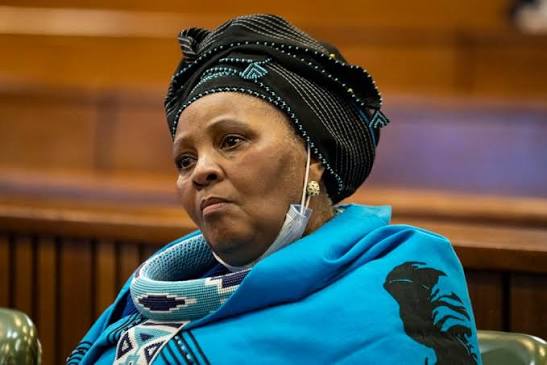
Picture: Former Speaker of National Assembly, Nosiviwe Mapisa-Nqakula
By OBAKENG MAJE
8 September 2026 – The Gauteng High Court sitting in Pretoria dismissed Nosiviwe Mapisa-Nqakula’s Application in terms of Section 174 of the Criminal Procedure Act, to have her acquitted on 12 counts of corruption and 1 count of money laundering. Judge Mashudu Munzhelele ruled that there is a prima facie case for Mapisa-Nqakula to answer.
The Investigative Directorate Against Corruption (IDAC) spokesperson, Henry Mamothame said she subsequently opted to take the stand wherein her defence attorney led her evidence. Mamothame said the matter was adjourned until 8 September 2026, for further trial.
“This judgment follows an extensive argument presented to the court by the IDAC’s senior state advocate, Emile van der Merwe, wherein he argued against this application.
“Mapisa-Nqakula is facing 12 counts of corruption and one count of money laundering, wherein she is accused of soliciting R4,5 million, with R2,1 million allegedly received as cash from a service provider,” he said.
Meanwhile, the acting Investigating Director of IDAC, Advocate Ntuthuzelo Vanara, welcomes this judgment. Vanara said the judgment is demonstrative of the rule of law being in motion.
“Our team of prosecutors and investigators presented a solid case in their endeavour to prove the validity of the charges levelled against the accused,” he said.