Setshwantsho-papiso: Baepi ba ba seng mo molaong ba tlhokofetse
Ka REGINALD KANYANE
11 Phatwe 2026 – Mokomishinara wa sepodisi mono porofenseng ya Bokone Bophirima, Lieutenant General Arthur Adams o solofetswe go ama babega-dikgang ka lefoko mabapi le go tlhokafala ga baepi ba le 14 ba ba seng mo molaong kwa lefelong la go latlhela matlakala kwa Nkaneng kwa Marikana, gaufi le Rustenburg. Se, se tla morago ga gore baepi ba, ba fitlhelwe ba tlhokafetse kwa lefelong leo morago ga go welwa ke leje ka letsatsi la Moshupulogo.
Sebueledi sa sepodisi mono porofenseng ya Bokone Bophirima, Colonel Adele Myburgh are bontsi jwa baepi ba, ke ba kwa nageng ya Lesotho. Myburgh are baepi ba le robedi ba amogetswe kwa bookelong ka dikgobalo tse di masisi, fa bangwe ba baepi ba, ba gaeletswe kwa tlase ga moepo.
“Sepodisi se kwa lefelong la tiragalo, mme dipatlisiso di tsweletse,” Myburgh wa tlhalosa.
11 Phatwe 2026 – Banna ba le bane ba ba magareng ga dingwaga di le 20 le 58, ba tshwerwe kwa Amalia morago ga go fitlhelwa ka nama ya kgomo mo dijanageng tsa bone. Go begwa fa mong wa polasi, a ile a fitlhela nngwe ya dikgomo tsa gagwe ditlhabilwe le go bona tlhogo ya kgomo kwa polasing ya gagwe.
Sebueledi sa sepodisi mono porofenseng ya Bokone Bophirima, Constable Thuto Bobelo are dipatlisiso tsa go sa le gale di shupa fa tiragalo e, e le ya letsatsi la Tshipi. Bobelo are sepodisi se ile sa itsisiwe, mme kgetsi e ile ya bulwa.
“Molaetsa wa tsiboso o ile wa phasaladiwa go batlhankela ba sepodisi ba ba neng ba paterola. Go begwa fa batlhankela ba sepodisi ba ile ba bona dijanaga di le pedi tse di neng di belaetsa kwa mmileng wa Goven Mbeki kwa Amalia moragonyana.
“Batlhankela ba ba sepodisi, ba ile ba emisa dijanaga tseo, le go di puruputsha. Ba ile ba puruputsa sejanaga sa modiro wa Toyota Etios le sa Hyundai CRDi, mme ba fitlhela nama ya kgomo mo go tsone,” Bobelo wa tlhalosa.
Bobelo are banna ba, ba ile ba tlhalosa fa nama eo e le ya tholo. Fela Bobelo are dipatlisiso di ile tsa shupa fa e le nama ya kgomo.
“Babelaelwa ba ile ba tshwarwa, mme dijanaga tsa bone di ile tsa thopiwa jaaka bopaki. Banna ba, ba lebane le kgetsi ya go tshola nama ya kgomo e go belaelwang fa e utswitswe. Mo godimo ga moo, ba tla golaganngwa le go utswiwa ga leruo.
“Babelaelwa ba, ba solofetswe go tlhagelela kwa kgotlhatshekelo ya Schweizer Reneke mo letsatsing la gompieno,” Bobelo wa tlhalosa.
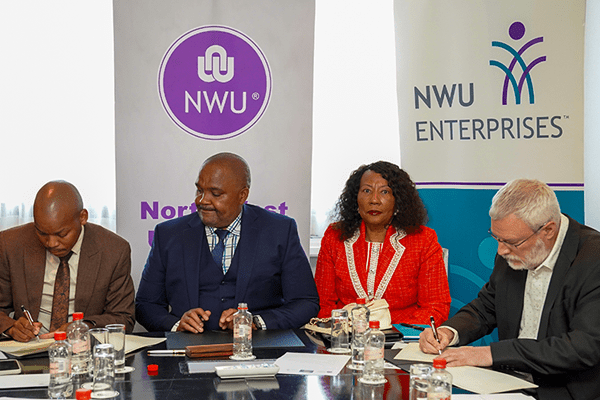
Picture: Signing the MoU are Phenyo Mogamisi, CEO of CIH Venture Capital, Prof. Bismark Tyobeka, NWU principal and vice-chancellor, Dr Anna Mokgokong, NWU chancellor and founder and group chairperson of Community Investment Holdings (CIH), and Duncan Raftesath, CEO of NWU Enterprises/Supplied
By OBAKENG MAJE
11 August 2026 – The North West University (NWU) in partnership with Community Venture Capital (Pty) Ltd (CVC) and NWU Enterprises (Pty) LTD (NWUE), has signed a memorandum of understanding (MoU) on 7 August 2026, to strengthen collaboration in agricultural development and community empowerment. The MoU, which aims to establish a strategic framework focused on agriculture financing, market access, logistics optimisations and business empowerment in South Africa and across the African region.
The North West University (NWU) principal and vice-chancellor, Professor Bismark Tyobeka said the MoU aims to promote inclusive economic growth, strengthen food security and develop sustainable agricultural value chains, while empowering smallholder farmers, rural enterprises and local cooperatives. Tyobeka said the objectives of the MoU are to develop innovative and creating accessible financing solutions to support smallholder farmers and emerging agri-businesses.
“This includes mobilising investment capital through blended finance models, public-private partnerships and institutional funding. It will also facilitate the entry of community-based producers and cooperatives into the mainstream supplier value chain, while supporting product aggregation, certification and quality assurance to meet retail and export standards.
“By collaborating on cost-effective logistics, warehousing cold chain solutions to enhance farm-to-market delivery, while exploring co-investment opportunities in logistics infrastructure in rural and agricultural hubs will strengthen logistics and supply chain optimisation,” he said.
Tyobeka further said they will strengthen business empowerment and skills development by implementing enterprise and suppliers’ development programmes, targeting women, young people and rural agricultural entrepreneurs and facilitating technical training, business mentorship and skills transfer in agribusiness management and innovation. He also highlighted the potential of the partnership to create meaningful opportunities for students, researchers and academic staff by linking teaching and research with practical industry engagement.
“Our farms will become laboratories, where students gain practical experience while contributing to agricultural innovation. Undergraduate students will develop hands-on skills, while postgraduate researchers will explore ways to improve crop resilience, increase yields and advance smart, water-efficient farming,” added Tyobeka.
He said at the same time, these opportunities will empower students to become entrepreneurs, support emerging farmers and contribute to the growth of rural communities. Tyobeka said this partnership expands far beyond agriculture.
“It will also focus on core social investments that are key to the economy like water and sanitation, energy, healthcare, housing, digitisation, logistics, mining and engineering, tourism and any other sector that contributes to poverty alleviation and improves economic participation for students and communities.
“Industry partners and government institutions that were present including Sanlam, ABSA, IDC, Gauteng Growth and Development Agency and Gauteng Enterprise Propeller,” he said.
Speaking at the signing ceremony, the NWU chancellor and founder and group chairperson of Community Investment Holdings (CIH), Dr Anna Mokgokong, emphasised that universities should be active partners in the communities they serve. Mokgokong said that she has always regarded her role as chancellor as extending beyond ceremonial duties, using her experience to help reinforce the impact of the NWU and contribute meaningfully to the development of North West and beyond.
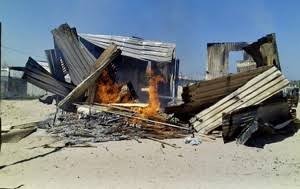
Setshwantsho-papiso: Mosadi o shetse mo mokhukhung kwa Matolong
Ka REGINALD KANYANE
11 Phatwe 2026 – Mosadi wa dingwaga di le 43 o tlhokafetse morago ga go shela mo mokhukhung kwa motseng wa Matolong, gaufi le Taung. Go begwa fa tiragalo e, e diragetse ka letsatsi la Tshipi bosigo.
Sebueledi sa sepodisi mo sedikeng sa Dr Ruth Segomotsi Mompati, Warrant Officer Tryphosa van Rooyen are sepodisi se ile sa itsisiwe ka ga motho o shetseng mo mokhukhung kwa tulong eo, mme ba tabogela teng. Van Rooyen are sepodisi se ile sa fitlhela batlhankela ba ditima-molelo ba setse ba le kwa lefelong la tiragalo le go leka go tima molelo o.
“Dipatlisiso di tsweletse mabapi le tiragalo e, mme di tla shupa gore sebakwa sa molelo ke eng,” van Rooyen wa tlhalosa.
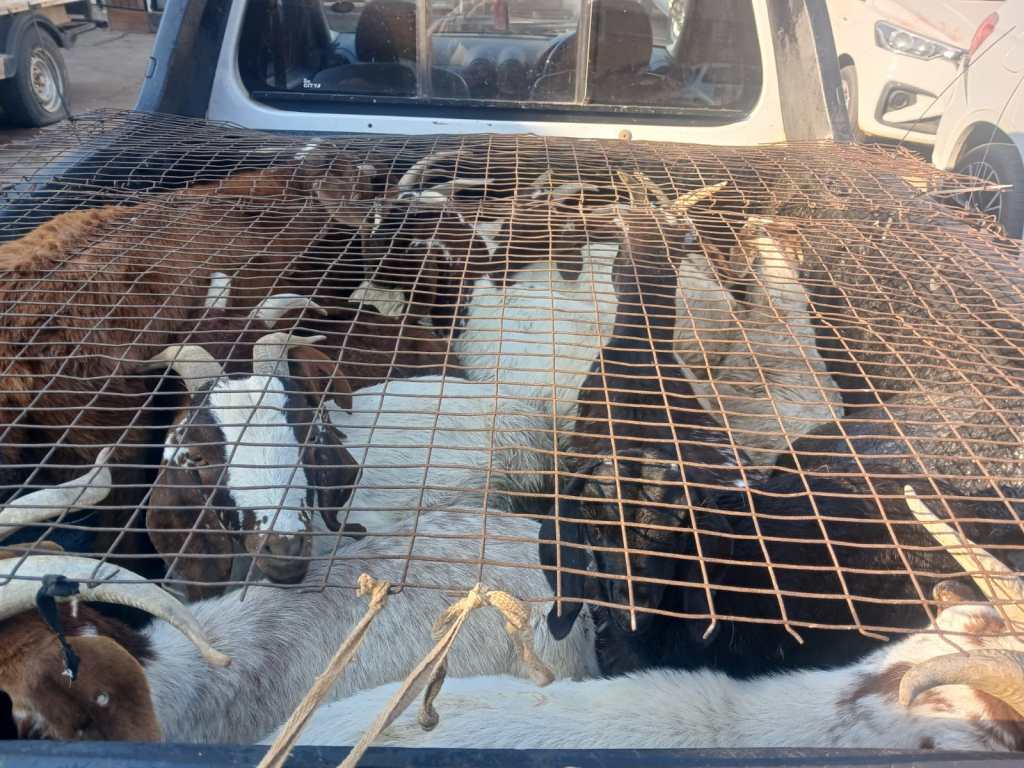
Setshwantsho: Dipudi di le 14 tse go begwang fa di ustwitswe
Ka KEDIBONE MOLAETSI
11 Phatwe 2026 – Banna ba le babedi ba dingwaga di le 32 le 48, ba tshwerwe mabapi le ditatofatso tsa go utswa dipudi. Banna ba, ba solofetswe go tlhagelela kwa kgotlhatshekelo ya Lichtenburg mo letsatsing la gompieno.
Sebueledi sa sepodisi mono porofenseng ya Bokone Bophirima, Constable Thuto Bobelo are ba lephata la botlhodi ba sepodisi sa Afrika Borwa ba ile ba neelana ka tshedimosetso morago ga go utswiwa ga dipudi di le 14 tsa boleng jwa R28 000 kwa Lichtenburg. Bobelo are batlhankela ba sepodisi ba ile ba amogela tshedimosetso go tswa go lephata la bosinyi la Mahikeng mabapi le thulaganyo ya go utswa dipudi kwa lefelong la Delareyville le Vryburg.
“Ka Labotlhano, sepodisi se ile sa tsenya tirisong tshedimosetso e. Dipego di ile tsa shupa fa dipudi di setse di pegilwe mo sejanageng sa modiro wa NP200. Sepodisi se ile sa sala morago motlhala wa babelaelwa ba, go tswa kwa Broederspruit go leba kwa Lichtenburg.
“Tshedimosetso e ile ya neelwa ba sepodisi kwa Lichtenburg, mme ba e sala morago. Sepodisi se ile sa tshwara babelaelwa ba, go thopa le sejanaga sa bone ga mmogo le megala ya matheka e mebedi. Sejanaga se, se ne se na le ikwadiso ya di nomoro polata tsa maaka,” Bobelo wa tlhalosa.
Dipudi tse, di tla tlhatlhobiwa le go batlana le mong wa tsone.
Kgabagare, mokomishinara wa sepodisi mono Bokone Bophirima, Lieutenant General Arthur Adams, o akgotse ba sepodisi ga mmogo le ba tsaya karolo botlhe. Adams o gateletse gore tirisano ya sepodisi ga mmogo le baagi e botlhokwa.
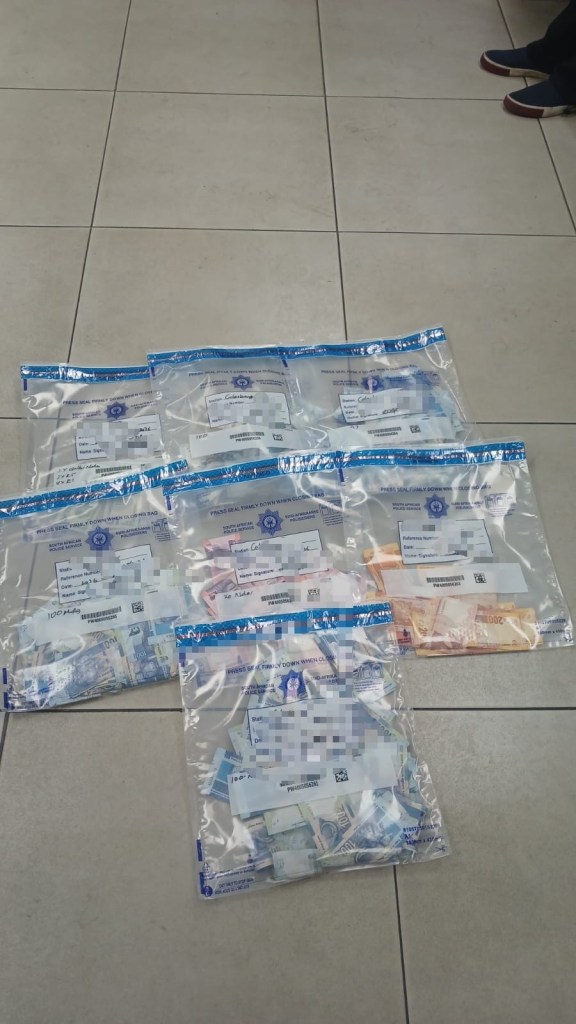
Picture: Substantial amount of cash seized by police/Supplied
By BAKANG MOKOTO
11 August 2026 – The swift response, vigilance and effective coordination of a multi-disciplinary law enforcement team in the Pixley ka Seme District have resulted in the arrest of two suspects believed to be linked to a business robbery committed in Kraaifontein, Western Cape, on 7 August 2026. A substantial amount of money was reportedly stolen during the robbery.
The Northern Cape police spokesperson, Colonel Cherelle Ehlers following the incident, the police in Kraaifontein shared information with law enforcement counterparts in the Northern Cape after receiving intelligence indicating that four suspects allegedly involved in the robbery had boarded buses travelling towards Zimbabwe. Ehlers said the police from Colesberg, Kuyasa, Hanover and Noupoort supported by De Aar Public Order Policing, a private security company and the Trompsburg Highway Patrol, immediately mobilised and initiated efforts to intercept the suspected vehicle.
“On 9 August 2026, at approximately 9pm, the bus believed to be transporting the suspects was intercepted and stopped approximately 20km outside Colesberg.
“A search of the vehicle resulted in the arrest of two foreign nationals both aged 30, after a substantial amount of money was allegedly found in their possession,” she said.
Ehlers further said the suspects are expected to appear in court soon on a charge relating to the possession of suspected stolen property. She added that investigations are continuing and the possibility of further arrests has not been ruled out.
Meanwhile, the Pixley ka Seme District Commissioner, Major General Nomana Mthukushe, commended the police involved for their vigilance, swift response and effective coordination, which resulted in the successful interception of the suspects. Mthukushe welcomed the excellent cooperation between law enforcement agencies in the Northern Cape and Western Cape, emphasising that effective information sharing and inter-provincial collaboration remain crucial in combating organised and cross-border criminal activities.
Picture: A girl (15) allegedly killed by her boyfriend/Facebook
By AGISANANG SCUFF
11 August 2026 – The North West MEC for Social Development, Sussana Dantjie has strongly condemned the brutal killing of a young girl, allegedly at the hands of her boyfriend at Dinokana village, near Zeerust. Dantjie expressed deep sadness and concern over the tragic incident, describing the young woman’s death as a devastating loss that highlights the urgent need to intensify efforts to prevent Gender-Based Violence and Femicide (GBVF).
“We applaud the police for arresting a suspect (17) for the recent murder of Amogelang Motshwaedi (15) in Dinokana.
“We are deeply saddened and angered by the senseless loss of a young life. No woman or girl should have to live in fear of violence, especially from someone she loves and trusts,” she said.
Dantjie further extended condolences to the family, friends and community of the deceased. She also urged communities to speak out against violence against women and girls and encouraged victims and survivors of abuse to seek help and report incidents of violence.
“GBVF is not a private family matter. It is a societal problem that requires all of us to take a stand. We must work together to build communities where women and girls are safe, respected and protected.
“So, we appeal to young people and communities to reject violence as a means of resolving conflict and to promote healthy, respectful relationships,” added Dantjie.
She said her department remains committed to working with communities and stakeholders to strengthen initiatives aimed at preventing GBVF and protecting vulnerable women and children.
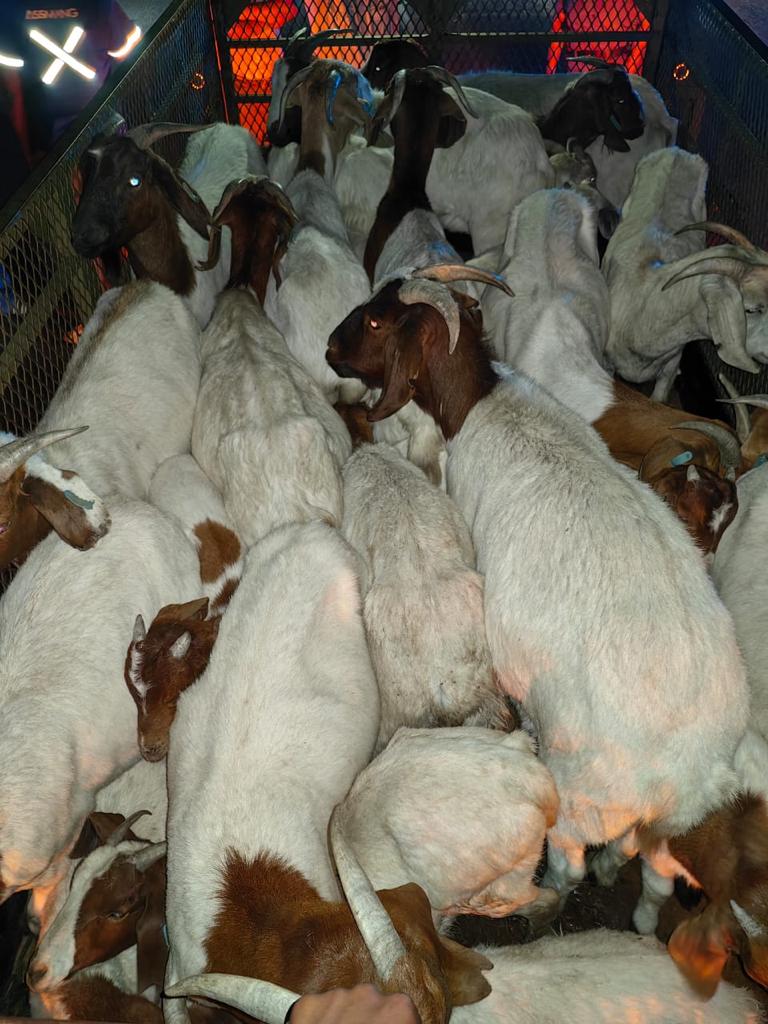
10 August 2026 – Four men were arrested in connection with the alleged theft of 27 goats stolen in Lehurutshe, outside Zeerust on 4 August 2026. The police said after the matter was reported to the police, it was referred to the Mmabatho Stock Theft and Endangered Species Unit (STES) for further investigation.
The North West police spokesperson, Constable Thuto Bobelo said the stolen goats were valued at approximately R194 000. Bobelo said through investigative work and tracing operations, the police located the alleged stolen goats at a shack in Majemantsho village, near Mahikeng.
“Following the recovery of the 27 goats, four suspects were arrested at the scene on 5 August 2026. They were charged with possession of suspected stolen livestock and stock theft. Lebogang Bhunu (46), Sibusiso Monane (26) and Sakhumzi Gumede (26), briefly appeared before the Lehurutshe District Court on 7 August 2026 and were released on bail, whilst Olebile Ntumedisang (31) was remanded in custody.
“Their case was postponed to 8 September 2026,” he said.
10 Phatwe 2026 – Ba lelapa la ga Kamogelo Segwai ba ikuela go baagi go ba thusa go batlana le morwa wa bone. Se, se tla morago ga ditatofatso tsa gore Segwai o thopilwe ka dikgoka ke bangwe ba baagi kwa Extension 7, mono Taung morago ga go mo latofatsa ka bogodu.
Segwai o bonwe mo setshwantshong sa motsikinyego ga mmogo le tsala nngwe ya gagwe, Omphile Mokoto yo setopo sa gagwe se bonweng kwa masimo kwa motseng wa Maphoitsile, gaufi le Taung mo bekeng e e fetileng, ba dirilwe batshwarwa-kananyo. Mokoto o fitlhilwe ka Lamatlhatso.
Fela go fitlha ga jaana, ga go itsiwe kwa Segwai a leng teng.
Kgabagare, sebueledi sa sepodisi mo sedikeng sa Dr Ruth Segomotsi Mompati, Warrant Officer Tryphosa van Rooyen are sepodisi se ka se tshwaele mo kgetsing eno go fitlha ga jaana, gonne dipatlisiso tsa bone di mo maemong a tsitsibanyang mmele. Van Rooyen are jaanong pegelo nngwe le nngwe ba e ntshang e ka sitisa dipatlisiso tsa bone.
10 August 2026 – Magalies Water said it has noted with concern a scam, in which unknown individuals purporting to be Magalies Water Chief Executive Officer (CEO), Ofentse Nthutang, are engaging with bidders that have responded to recently advertised tenders by Magalies Water. Magalies Water said communication is through the compromised email account of Nthutang.
Magalies Water spokesperson, David Magae said these individuals posing as the Chief Executive, send emails to bidders and are requested to contact the Chief Executive on 060 506 8092. Mage said this number does not belong to the Chief Executive.
“The scam casts doubt on how Magalies Water conducts business, including perceived disregard of the provisions of the Public Finance Management Act (PFMA), read together with the National Treasury Regulations.
“Further, the Chief Executive does not engage with bidders on matters relating to awarding of tenders as this would constitute a contravention. Bidders are cautioned to remain vigilant, not to respond to the emails and messages from the number and to always authenticate all information received from Magalies Water, especially when in doubt,” he said.





 The Guardian