Setshwantsho: Baagi ba boloditse ditshupetso/Facebook
Ka OBAKENG MAJE
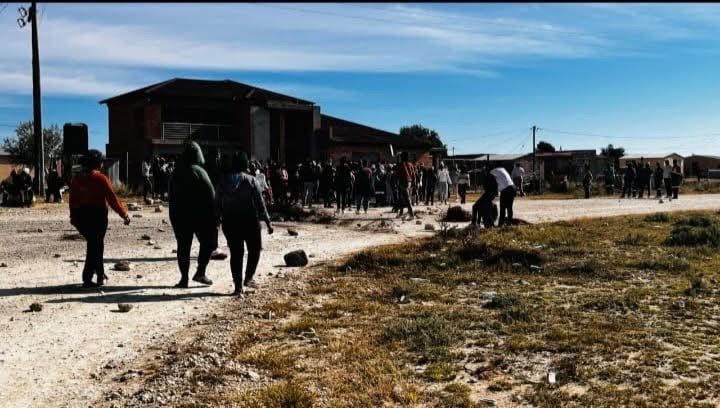
26 Motsheganong 2026 – Baagi ba motse wa Madipelesa, gaufi le Taung, ba ne ba boloditse di tshupetso ka Mosupulogo mabapi le kago ya tsela. Baagi ba, ba latofatsa Lefapha la Ditiro tsa Setshaba le Ditsela mono Bokone Bophirima ka go ba tshepisa go ba agela tsela e magareng ga Rietfontein le motse wa bone, fela go fitlha ga jaana ga go nko e tswa lemina.
Baagi bangwe ba bonwe mo setshwantshong sa motsikinyego ba epa tsela e golaganyang motse wa Shaleng le Madipelesa ka bogare ka motsi wa ditshupetso. Baagi ba, gape ba tshosetsa ka go sa ye go tsaya karolo mo di voutung tse di tlang tsa di puso selegae fa ba sa agelwe tsela.
Motlatsa-modulasetilo wa komiti ya baagi kwa motseng wa Madipelesa, Mpotshang Morris are ba lobaka ba beile letsogo mo phatlheng mabapi le kago ya tsela, fela go bontsha fa moleta ngwedi e le moleta lefifi.
“Ha e sale re kopa go agelwa tsela ka ngwaga wa 2017. Lefapha la Ditiro le Ditsela mono Bokone Bophirima, le ne le re tshepisitse gore re tlile go agelwa tsela ka 24 Seetebosigo 2025. Ba ne ba tshepisitse gore ba tlile go tla le mogakolodi (consultant) morago ga dikgwedi di le tharo, fela seo ga sa direla.
“Lefapha le ile la re tlhalosetsa fa tsela e, e tshwanelwa ke go tlhabololwa pele ka mokgwa wa go karapiwa le go tshelwa mmu (re-gravelling). Jaanong, re il era dumela jaaka baagi. Fela, lefapha ga ise le tle go dira jalo le go fitlha ga jaana,” Morris wa tlhalosa.
Kgabagare, sebueledi sa nakwana sa Lefapha la Dithoto le Ditsela mono Bokone Bophirima, Bayanda Zenzile are: “Lefapha le a itse ka matshwenyego a baagi ba Madipelesa mabapi le tsela. Fela kago ya tsela ka mokgwa wa sekontere magareng ga Madipelesa le Shaleng, e sentse e le karolo ya di thulaganyo tsa rona. Re tla dira seo morago ga go thapa mogakolodi, mme ga re itse gore seo se tla diragala leng.
“Fela ga jaana, re tlile go tlhabolola tsela eo ka mokgwa wa go e tshela mmu le go e karapa (re-gravelling) gore e ke e kgone go tsamaega. Lefapha le betse thoko madi a phopholediwang go R20 million go ka thankgolola porojeke eo.”
Zenzile are porojeke e, e tlile go tsaya dikgwedi di le thataro.
Fela Morris are madi ao a manyinyane go ka baakanya tsela ya Shaleng, Madipelesa ga mmogo le Rietfontein.
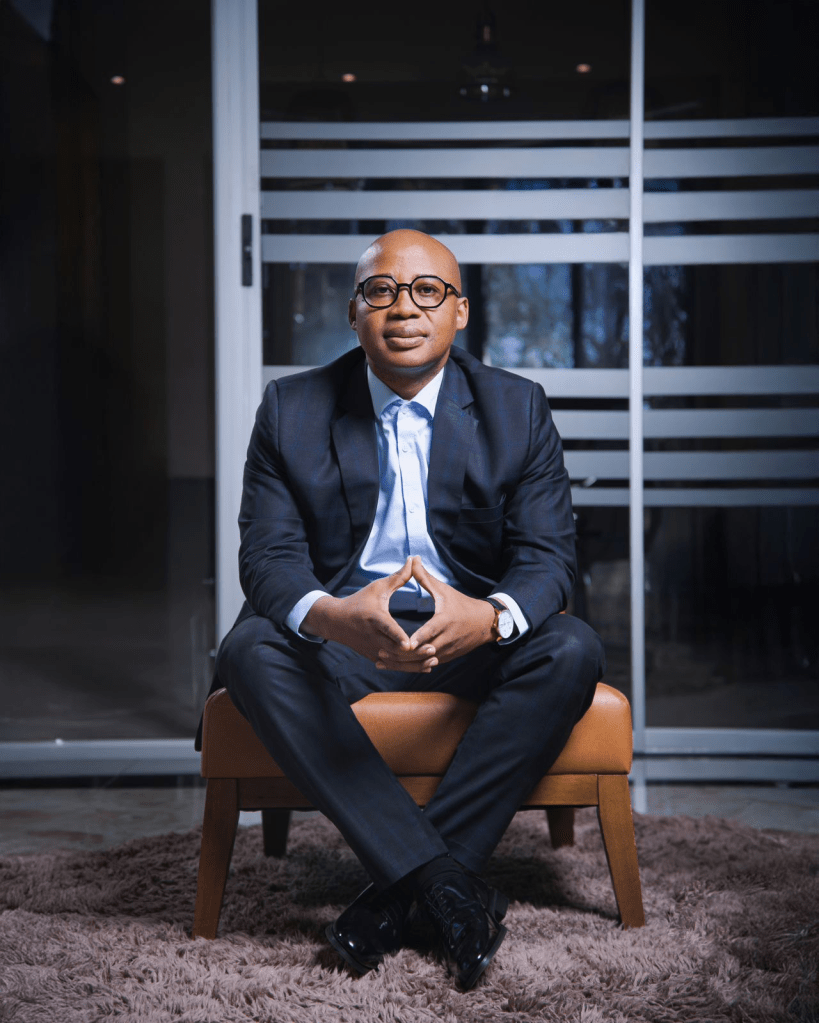
Picture: A prominent businessman, Dr Danny Tong/Supplied
By OBAKENG MAJE
26 May 2026 – To become a successful entrepreneur, one needs a relentless vision to solve real-world problems with the resilience to pivot when things go wrong. One should also be action-oriented risk-takers who continuously learn, build strong teams, and execute ruthlessly rather than just theorising.
To curate these skills, requires both real-world practice and continuous education, and a South African business leader, investor and infrastructure entrepreneur, Dr Danny Tong who is best known as the founder and chairman of InvesTong Group has mastered it all. Tong runs one of the country’s fastest-growing black-owned investment holding groups.
Over more than two decades, he has built a diversified business empire with interests in infrastructure development, construction, property, mining, facilities management, energy, and strategic operating businesses. Beyond business, Tong is recognised for his commitment to economic transformation, youth empowerment, employment creation and building sustainable African institutions that create long-term impact rather than short-term success.
“I was born and raised in Molelema village, near Taung in the North West province. Coming from a rural background shaped my outlook on life and business. It taught me resilience, discipline and the importance of creating opportunities, where very few exist.
“Those early experiences became the foundation of my entrepreneurial journey. My journey into business started from necessity and ambition. I understood very early that entrepreneurship could become a vehicle not only for personal growth, but for changing communities and creating economic participation for others,” he said.
Tong further said he wanted to build institutions that could create jobs, develop people and contribute meaningfully to South Africa’s growth. He added that over time, that vision evolved from survival entrepreneurship into building structured businesses focused on sustainability, governance and long-term impact.
“Through InvesTong Group, we have built businesses across multiple sectors including infrastructure development, construction, property, mining, energy, facilities management, and strategic investments.
“One of our flagship companies is BoTong Civils, which delivers infrastructure projects across roads, transport infrastructure, water and sanitation, telecommunications, public facilities, and energy infrastructure,” said Tong.
He said their vision is to continue growing into a multi-sector African industrial group with interests across infrastructure, agriculture, mining, insurance, and technology. Tong said even though they have embarked on various projects, they had their fair share in business.
“One of our greatest successes has been transforming a modest entrepreneurial venture into a nationally expanding investment group with an order book exceeding R3 billion and a workforce of more than 1 100 employees operating across the SADC region.
“We are also proud of evolving from being sub-contractors into principal contractors on major infrastructure projects. That transition represented a major milestone for us as a black-owned business operating in highly competitive industries. Of course, the journey has not been without challenges,” he said.
Tong said scaling businesses in South Africa comes with funding pressures, economic uncertainty, operational complexity and infrastructure challenges. He said, however, he believes adversity develops leadership.
“Every challenge strengthened our governance, discipline and long-term strategic thinking. Receiving my honorary doctorate was a deeply meaningful moment because it symbolised growth, recognition of my contribution towards entrepreneurship and economic empowerment, discipline, and continuous learning. Education has always been important to me, despite coming from a business background rooted in practical experience.
“I currently hold an MBA from the African Leadership University School of Business, I am still completing a PhD focused on brand positioning. For me, the doctorate is not simply about recognition, it represents responsibility,” said Tong.
He said it reminds him that, as African business leaders, they must combine practical business leadership with knowledge, research and institutional thinking. Tong said education is critical because it expands one’s thinking, improves decision-making and strengthens leadership capability.
“In modern business, knowledge and strategic thinking are just as important as hard work. As a businessman, education helped me move from survival entrepreneurship into building structured institutions focused on governance, scalability and sustainability. I strongly believe that Africa’s future depends on educated entrepreneurs who can compete globally while still creating local impact.
“Across the various operations within InvesTong Group, we currently have a workforce of more than 1 100 employees.
However, beyond direct employment, we are equally passionate about mentorship, enterprise development, and creating opportunities for emerging entrepreneurs and communities through our projects and foundation initiatives,” he said.
Also, Tong conducts mentorship initiatives and that has eventually drawn the attention of former Arsenal FC captain Granit Xhaka. He said he is humbled to see Xhaka acknowledging the work they are doing.
“It highlights the importance of investing in Africa’s youth and future leaders. So, through the InvesTong Foundation and our broader mentorship initiatives, we focus heavily on youth empowerment, entrepreneurship support, scholarships, female empowerment and township economic activation. South Africa’s unemployment crisis requires practical intervention, not only conversations.
“We believe business should become a tool for transformation by creating real opportunities, mentorship, and pathways into economic participation for young people. The vision of listing one of our businesses on the JSE remains very much alive and forms part of our medium-term strategic direction,” said Tong.
According to him, they have already taken important steps towards institutional readiness through governance strengthening, capital market participation, and scaling operations. Tong said the Group has also participated in the JSE JPP Live platform as part of broader growth capital initiatives.
“For us, a future listing is not simply about prestige, it is about building a sustainable African institution capable of competing globally while creating generational economic impact. Coming from a rural background definitely meant starting with fewer advantages.
“Access to networks, capital, and opportunities is often limited in rural communities. But I never allowed my background to define my future. Competing globally requires consistency, professionalism, governance, credibility and long-term thinking. Over the years, we focused on building sustainable structures and proving that African businesses can operate at world-class standards,” he said.
Tong believes that some of the world’s greatest ideas and leaders can emerge from rural Africa when given the right opportunities and mindset. He urges aspiring entrepreneurs to remain disciplined, patient and consistent.
“Entrepreneurship is not about overnight success, it is about building something sustainable over time. Secondly, focus on building institutions rather than chasing quick profits. Strong governance, credibility, and reputation are extremely important.
“Lastly, never allow your background or circumstances to limit your vision. With the right mindset, education, resilience and work ethic, it is possible to build businesses that create impact not only in South Africa, but globally,” concluded Tong.
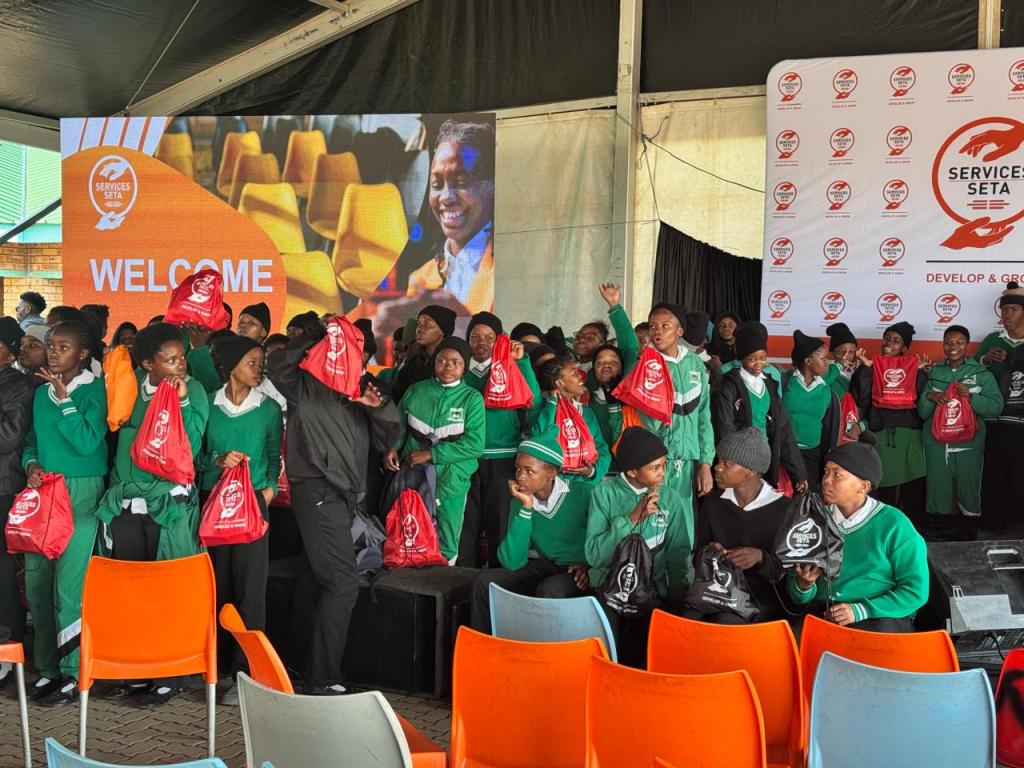
Grade 9 learners at Mokgareng Secondary School in Taung on Tuesday, benefited from a career guidance and mental health awareness programme aimed at preparing young people for opportunities beyond the classroom. The initiative led by SETA Services, focused on equipping learners, parents and teachers with information about different post-school education and training pathways, including Technical and Vocational Education and Training (TVET) colleges.
Different institutions and organisations, including the National Skills Fund and Amasa, also attended the programme to exhibit educational opportunities and engage directly with learners. Apart from receiving career guidance and educational information, learners were also provided with study materials and dignity packs during the event.
Speaking during the programme, Duduzile Mwelase said the initiative was designed to help learners make informed decisions about their future careers and subject choices. Mwelase explained that TVET colleges provide learners with both theoretical and practical skills, making it easier for them to enter the job market.
“We are emphasising TVET college education because it gives learners practical skills and assists them to enter the employment space,” she said.
Parents and teachers also received guidance on available bursary opportunities and the broader post-school education and training system. In addition to career guidance, the programme placed strong emphasis on mental health awareness among learners, parents and educators.
Mwelase highlighted the importance of recognising that some learners may struggle academically due to mental health challenges, while teachers themselves also require emotional and psychological support in order to effectively assist learners.
“As much as academics are important, we also need to support learners mentally and emotionally so they can reach their full potential,” she added.
School principal Mphato Melamu welcomed the initiative, describing it as valuable support for learners at a critical stage of their education.
A learner, Bokamoso Moleboge said the programme provided useful information about career opportunities and future study options, while parent, Segametsi Bojosinyana, expressed appreciation for the guidance provided to both parents and learners.
Organisers say programmes of this nature remain important in helping young people make informed educational decisions while also promoting mental well-being within schools.
25 May 2026 – Ongoing disruptive actions in the Northern Cape resulted in the arrest of 150 individuals in the province during weeklong operations led by senior management in all five districts that commenced on 18 until 24 May 2026. During the operation, numerous premises were searched, while a total of 6221 individuals and 3113 vehicles were also searched.
The Northern Cape police spokesperson, Colonel Cherelle Ehlers said the detectives conducted tracing operations that yielded the arrest of several wanted suspects who had been evading law enforcement and court appearances for various offences. Ehlers said operational actions included stop-and-search actions, high-visibility patrols, vehicle checkpoints (VCPs) and roadblocks.
“Furthermore, compliance inspections were carried out at liquor outlets, second-hand goods dealers, scrapyards, recycling facilities, firearm dealerships, informal businesses, mines and farms to ensure adherence to relevant legislation. As a result, 28 unlicensed liquor outlets were shut down due to non-compliance and violation of various regulations.
“In total, 150 suspects were arrested for offences linked to drug-related crimes, illegal liquor trading, property related crimes, attempted murder, and assault with intent to cause grievous bodily harm. Large quantities of alcohol and drugs as well as dangerous weapons, ammunition and copper cable were confiscated during the stop and search actions,” she said.
Ehlers further said several community outreach programmes and awareness campaigns were held to promote child protection month, under the theme: “Working together in ending violence against children”. She added that the provincial and district management welcomed the successful outcomes of the operation and applauded the effective collaboration among the various law enforcement agencies and stakeholders involved.
“Their coordinated efforts played a significant role in maintaining law and order, enhancing public safety, and ensuring that communities remain protected and secure. The management further acknowledged the dedication, commitment, and professionalism displayed by all members throughout the operation, emphasizing the importance of continued cooperation in the fight against crime and the creation of safer communities for all residents,” said Ehlers.
Picture: The Chairperson of the Committee, Jan de Villiers
By KEDIBONE MOLAETSI
25 May 2026 – The Portfolio Committee on Public Service and Administration has again called for compulsory training in consequence management and anti-corruption for senior management service (SMS) members in the public sector. The committee recently engaged with the National School of Government (NSG) on the impact of its training programmes.
The Chairperson of the Committee, Jan de Villiers said the NSG’s mandate is to, among other things, ensure that all basic values and principles are inculcated into the value systems and performance of all public servants and representatives through education, training and development initiatives. De Villiers said the purpose of the engagement was to establish whether training programmes result in measurable improvements in the performance of public servants.
“The committee’s interest is to determine the extent to which these training interventions contribute towards improving the performance of individual employees in the public service, which, in turn, should translate into quality work and improved service delivery for citizens.
“Members had concerns about whether current ethics training adequately addresses whistleblowing, accountability and ethical decision-making. The committee also asked whether anti-corruption and ethical leadership training for SMS members should become compulsory and how compliance could be monitored,” he said.
He further said there was a meeting on 20 May 2026, followed several recommendations the committee made last week in its budget vote report, which was tabled in the National Assembly. De Villiers added that in its report, the committee recommended that ethical competence should be aligned with performance reviews across government.
“Despite the provision of training, officials who attend compulsory courses, such as ethics training, are expected to perform their functions differently and demonstrate improved conduct.
“There should be a noticeable change in the behaviour of cohorts of officials who have completed ethics courses at the school,” he said.
De Villiers said the members heard from the NSG that ethics training is already mandatory and offered online to public servants. He said they also wanted to know whether training is offered to support lifestyle audits.
“According to the NSG, it is engaging with the Special Investigating Unit (SIU) on possible collaboration. The committee also reflected on the delays often experienced with disciplinary procedures in the public service and asked whether there are training programmes to strengthen accountability.
“Members were informed that the NSG offers a separate online course on managing performance in the public service, which includes training on discipline, staff accountability and supporting employees to meet the targets set for their departments,” said De Villiers.
He said the NSG also offers a labour relations programme for managers to improve the handling of grievances and disciplinary procedures. De Villiers said the members further enquired about the role of departmental leadership in ensuring that training translates into tangible improvements in the workplace.
“The NSG informed committee members that uptake of training increases significantly when directors-general and departmental leadership actively instruct employees to complete it. Impact is also greater when senior managers take ownership of training interventions, nominate the correct officials for programmes and create opportunities for employees to apply their newly-acquired skills.
“We noted that issues relating to the provision of recognised certificates, which employees utilise when applying for promotions in the public service, are also of interest to the committee,” he said.
De Villiers said this reinforces the importance of professionalisation and continuous professional development in the public service, particularly in strengthening ethical leadership and accountability mechanisms. He said the committee welcomed examples presented by the NSG where training interventions had contributed positively to service delivery outcomes.
“Members also called for greater sharing of best practices across the public sector,” said De Villiers.
Picture: The late veteran journalist, Baldwin Ndaba/Supplied
By BAKANG MOKOTO
25 May 2026 – The National Press Club (NPC) has extended its heartfelt condolences to the family, friends and colleagues of journalist Baldwin Ndaba, who passed away on 22 May 2026. Until recently, Baldwin Ndaba worked as a journalist for various Independent Newspapers titles such as the Diamond Field Advertiser, The Star, Sunday Independent and the Saturday Star.
The NPC Chair Antoinette Slabbert said a son of Galeshewe Township, in Kimberley, the town that gave South Africa journalist and editor Aggrey Klaaste, Ndaba leaves behind a proven and impeccable legacy of chronicling the socio-political narratives that shaped post-1994 South Africa, marked by depth, integrity and an unwavering commitment to truth. Slabbert said with nearly three decades in the craft of journalism, Ndaba covered stories that exposed crime and corruption while also using the power of the pen to celebrate the milestones of South Africa’s democracy.
“He understood the assignment and told the nation’s stories without any fear or favour. Ndaba was a consummate and unassuming journalist who understood that for democracy to flourish, it requires a vigilant fourth estate with an appreciation of the country’s history. He loved his country and understood the responsibility we all share in building modern-day South Africa,” she said.
Slabbert further said Ndaba will be buried this Saturday in his hometown with a planned memorial service sometime this week. She added that the NPC also recognises and celebrates the life of journalist and cultural pioneer Maria McCloy, who passed away recently.
“She was recently honoured by the arts and culture community, as well as broader sectors of society, for her role in shaping South Africa’s arts and culture landscape in the post-1994 era.
“Both Ndaba and McCloy arrived in the media world when our democracy was in its embryonic state and led in telling the stories that shaped our society and the challenges that bedevilled our march into a democratic country,” said Slabbert.
She said they both left an indelible mark that will continue to inspire and propel the industry to the greater heights.
25 May 2026 – The African National Congress (ANC) has joined the continent, her people and the African Union (AU) on Africa Day on the 63rd Anniversary of the Organisation of African Unity (OAU), now African Union. The ANC said under the theme: “Assuring Sustainable Water Availability and Safe Sanitation Systems to Achieve the Goals of Agenda 2063”, this day promotes and focuses on driving investment in water infrastructure, improving sanitation and supporting climate resilience for economic development, which are a priority for the ANC and the country, Sustainable Development Goals and the African Union Agenda 2063.
The ANC national spokesperson, Mahlengi Bhengu said the theme enjoins the continent to address water and sanitation challenges, improving the lives of the people by strengthening political leadership to secure water resources as a driver of health, agriculture, industrialisation, climate resilience and to ensure equitable access to clean water across the continent. Bhengu said the theme responds to this urgent challenge by placing water and sanitation at the centre of Africa’s development and climate agenda.
“This theme presents a significant opportunity to drive transformative, climate-resilient, and people-centred investments in water and sanitation. It reinforces Africa’s commitment to sustainable development, equity and resilience, ensuring that no one is left behind on the pathway to Agenda 2063.
“As a country, we have made significant strides to address this to improve the lives of people in the areas of water and sanitation, the notable example being our partnership with the Kingdom of Lesotho in the Lesotho Highlands Water Project, a shared benefit for the two countries united in the common vision of water as a human right,” she said.
Bhengu further said the Presidential Coordinating Council (PCC) forms part of the initiative, which included improving financial sustainability to unlock R108 billion in investment, the passing of the National Water Resource Infrastructure Agency Act and the clearing of the backlog of water-use license applications. She added that the ANC will work with its fraternal organisations and, through the government, address the persistent challenges facing the continent.
“This includes illegal immigration which impacts on the country’s resources amidst the accusations of xenophobia which we reject as an organisation. We call for the leadership and unity of the continent to work together to explore lasting solutions to the challenges facing the continent, including wars, malnutrition, coups, climate change, and poverty, amongst others.
“The African Union Agenda 2063 is on full course as demonstrated by the sustainable development goals of addressing the water and sanitation challenges, which is a central theme of Africa Day 2026, tackling poverty, investing in the African Development Bank, bilateral relationships, trade cooperation and accelerated economic development through the African Continental Free Trade Area, new trade ventures, solidarity, peace and friendship,” said Bhengu.
She said for South Africa, Africa Day carries deeper and more significant meaning and is instrumental in reshaping the global agenda, its peace missions across the world, institutional reforms, and regional integration. Bhengu said continentally, it is a day of pride and celebration as Africa reasserts its place in the global space, redefining its role in an ever-changing climate from imperialism and protectionism to a new global order of partnerships, collaboration and inclusive multilateralism for reciprocal growth and mutual benefit.
25 May 2026 – The North West Premier, Lazarus Mokgosi will undertake a visit to the Molosankwe family following the gruesome killing of community activist, Thato Molosankwe. Affectionately known as Senganga, Sanusi and Ramatsela, Molosankwe was widely recognised for his activism and community mobilisation efforts against crime and service delivery across many communities in North West.
Mokgosi described Molosankwe as a courageous and outspoken community leader, who dedicated his life to the service of communities and residents of the province.
“We are deeply saddened by the untimely passing of Molosankwe. His contribution towards community activism and social justice will not be forgotten. We extend our sincere condolences to his family, friends, and the broader community during this difficult period.
“We will be visiting Molosankwe’s family in Lomanyaneng village, near Mahikeng on Tuesday at 2pm,” he said.
The North West MEC for the Department of Community Safety and Transport Management, Wessels Morweng has called for calm following the brutal killing of Molosankwe. Morweng said according to the police, Molosankwe was shot and killed in the early hours of this morning, 20 May 2026, at the family business premises in Lomanyaneng village, outside Mahikeng.
“We appeal for calm to allow the police to conduct the investigation unobstructed. We implore the community to assist the police with any information, however innocuous it may seem to expedite speedy apprehension of the doers of this heinous crime.
“Molosankwe sprung to national prominence about 16 years ago when he walked over 1 300 kilometres from Cape Town to Mahikeng. The gruelling but meritorious act was to raise awareness of women and child abuse. In 2018, he embarked on yet another even more arduous but ambitious solo walk from Cape to Cairo.
“This trip, had it been successful, would have covered 24 000 kilometres going through 49 of the 54 African countries. However, immigration challenges experienced in Zambia meant cul-de-sac to the trip,” he said.
Morweng further said it was after this that he began community activism sharply raising various societal issues, especially about service delivery. He added that it was during what is referred to as the ‘July Unrest’ that he endeared himself to local business.
“The July 2021 unrest primarily affected the KwaZulu-Natal and Gauteng Provinces resulting in over 350 deaths and an estimated R50 billion in economic damages. Molosankwe and a group of other local activists galvanised local communities to not only desist from looting shops, but protect businesses from acts of any criminality.
“With the community support, the cold-blooded criminals who did this will be apprehended. Once more, we are appealing for calm as such a dastardly act has a potential to whip up emotions. We are confident that soon the police will have a breakthrough.
We send our deepest sympathies to the Molosankwe family and all those whose lives have been touched by Thato’s generosity”, said Morweng.
Meanwhile, the Tshenolo PI said: “As we undertake the investigation into the tragic killing of Molosankwe, we would like to appreciate each and every person who may have information that could assist in this case.
“We are specifically requesting any information regarding the incident. Screenshots of posts or comments made by individuals who allegedly stated that Molosankwe would die. Especially comments linked to previous statements he made regarding a biker who was killed.”
The investigating pundit said any small piece of information may assist greatly in the investigation. Tshenolo PI said they urge anyone who has information to contact them privately, anonymously, or simply send the information to their inbox.
“A reward will also be made available for credible information and credible informants. We believe that people assisting in the fight for justice should not work for free. Please contact us on 066 472 7099 or 060 853 9338 on WhatsApp.
“All information will be treated with the strictest confidentiality and your identity will be protected. Our team has already developed several leads, and we strongly believe that with public assistance together with the information already gathered, we stand a much better chance of solving this matter as quickly as possible,” said Tshenolo PI.
They said they are working tirelessly on this case. Tshenolo PI said their team did not sleep last night because they are determined to make progress before Molosankwe is laid to rest.
“Let us work together. Justice must prevail,” they said.
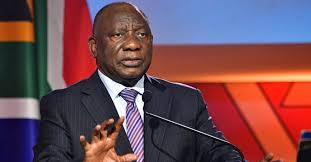
25 May 2026 – The Republic of South Africa (RSA) president, Cyril Ramaphosa said as the country mark 30 years since the adoption of its constitution this month, they can reflect with pride on the political culture they have built as a nation – a culture that is robust, participatory, continuously evolving and firmly anchored in the democratic values they hold dear. Ramaphosa said they are fortunate to live in a society with a vibrant public space and deeply engaged citizens who know that they have a voice and more importantly, that their voice matters.
He further said it is this active participation by the people of South Africa that continues to give life, meaning and resilience to constitutional democracy. Ramaphosa added that civil society in the country remains vibrant and resilient.
“Our constitution safeguards freedoms of conscience, thought and expression, whilst firmly entrenching media freedom as one of the cornerstones of democracy. Political contestation takes place openly and freely, reflecting the strength and maturity of our democratic order.
“Our courts continue to serve as institutions that our people trust, and provide recourse for ordinary South Africans, political actors and organisations. In our country, no one is above the law and scrutiny – and no individual or institution is beyond accountability. It is this commitment to constitutionalism, transparency and the rule of law that sustains public confidence in our democracy,” he said.
Ramaphosa said these are all a credit to the constitutional order they have worked to build over the last three decades. He said there is a strong culture of participatory democracy in the country, which began with the constitution-making process itself.
“The Constitutional Assembly was determined that all South Africans should participate meaningfully in drawing up our first democratic constitution. As I said at the time, we wanted a People’s Constitution where every South African would be able to put his or her own brick towards building the new South Africa.
“For nearly a year and a half, we criss-crossed the length and breadth of the country to get people’s inputs on the type of constitution they wanted to see as the supreme law of the land. Citizens of all races, ages and classes participated. We facilitated community meetings and engaged with people at their places of work and study,” said Ramaphosa.
He said he remembers taking part in radio shows, where listeners would call in with their ideas on what should be in the constitution. Ramaphosa said the callers had a deep understanding of why human rights mattered, which was born out of their own personal experiences with injustice.
“What some of them related about their own harrowing experiences of apartheid oppression was a painful reminder of why we needed this constitution. They spoke of unfair dismissals by employers, of being denied access to beaches, of land being taken from them and of unfair treatment at the hands of public officials.
“We received thousands of written submissions on issues ranging from reproductive health rights to taxation to gun ownership to conserving the environment, to animal welfare. There were submissions about protecting the elderly and people with disabilities, on language preservation and on sexual orientation,” he said.
Ramaphosa said the outcome of all the submissions, which ran into hundreds of thousands of pages and words, was a homegrown constitution that reflects the aspirations of the South African people who had a hand in drafting it. He said the participatory approach that produced the constitution continues to guide its efforts to transform South Africa.
“Members of the public participate in law-making through public hearings. They are able to comment on draft policies, regulations and environmental decisions. Through the annual Taking Parliament to the People programme convened by the National Council of Provinces, people are able to interact directly with their elected representatives.
“South Africa ranks amongst the leading countries in the world for an open, transparent and participatory budget process. Through the annual parliamentary budget hearings that are currently underway, the budgeting process is open to public scrutiny and Parliamentary oversight,” said Ramaphosa.
He said while some may argue that participatory democracy slows decision-making or leads to excessive contestation, it is a fundamental tenet of their constitutional order. Ramaphosa said for their democracy to retain legitimacy, citizens must be confident that their voices are counted when making decisions that affect them most.
“Soon, the next phase of the National Dialogue process will commence in earnest, and we must together strive for the broad participatory inclusivity that characterised the constitution-making process. The National Dialogue Steering Committee has announced that between June and August 2026, they will be holding up to 195 pilot dialogues across the nine provinces that will include ward-based engagements, digital engagements and sectoral dialogues. They will be prioritising direct community participation.
“We are determined that the National Dialogue should fully reflect South Africa’s racial, cultural, social, economic and geographic diversity. Just as the 1994 generation played a direct role in the production of the birth certificate of the new South Africa, so too does today’s generation carry a responsibility to participate meaningfully in the National Dialogue,” he said.
Ramaphosa said this is particularly important for the young people who will live with the impact of the decisions they make today. He said as they look with optimism to this new phase in the life of the nation, he calls on all South Africans to come together once more and be part of crafting a new vision for South Africa that both speaks to their contemporary challenges and lays the groundwork for the South Africa they want to be.
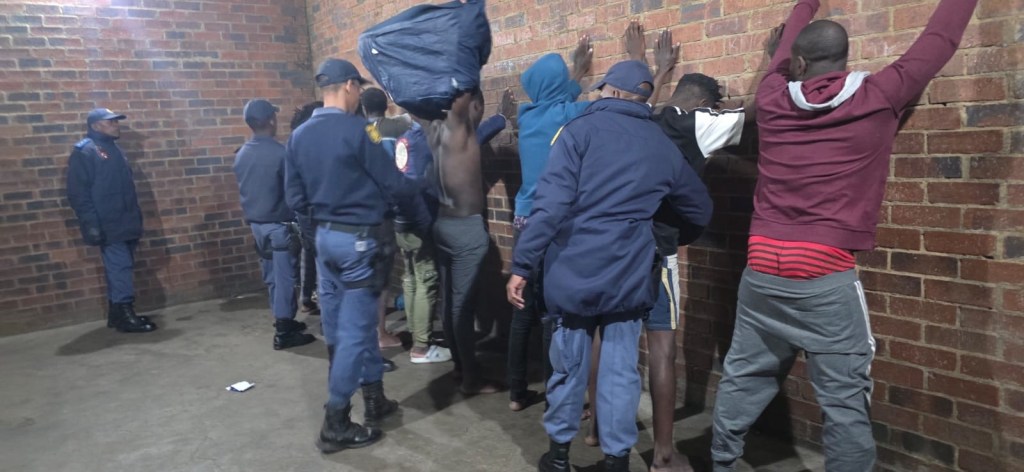
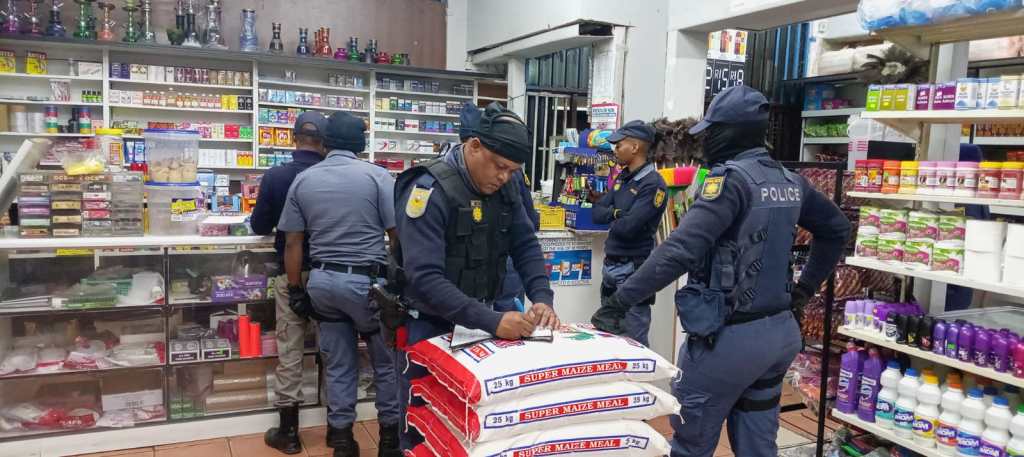
Picture: Police conducting stop and search operation/Supplied
By KEDIBONE MOLAETSI
25 May 2026 – A crime combating operation was repeated at Orkney taxi rank, CBD and surrounding areas, including Klerksdorp, to address trio crimes, illegal immigrants, high density illicit drug hotspots, illegal firearms, targeted liquor outlets and scrap yards to disrupt criminal activities on Friday afternoon and Saturday morning. During the operation, five search warrants were executed and five men were arrested for contravening the Immigration Act, Act 13 of 2002.
The North West police spokesperson, Sergeant Kelebogile Morake said a man (22) was arrested for drunk and driving, three fines were issued for selling counterfeit goods (cigarettes) and a fine amounting to R8000 was issued for employing an illegal immigrant. Morake said liquor and scrap yard premises were also inspected to ensure compliance with their operating conditions.
“The operation was successfully conducted by members from various units, including Provincial Anti-Gang Unit, K9 Unit, Tactical Response Team (TRT), Firearms Liquor and Second-hand Goods Control (FLASH), Crime Intelligence Overt Operations, Provincial Corporate Communications and Liaison, the State Security Agency, and Department of Home Affairs,” she said.
Meanwhile, the acting North West Police Commissioner, Major General (Dr) Ryno Naidoo, commended the police for their vigilance, discipline and commitment in upholding the law. Naidoo said operations of this nature are critical to maintain order, protect communities and to ensure that all persons within the province are subject to the laws of the country.
 The Guardian