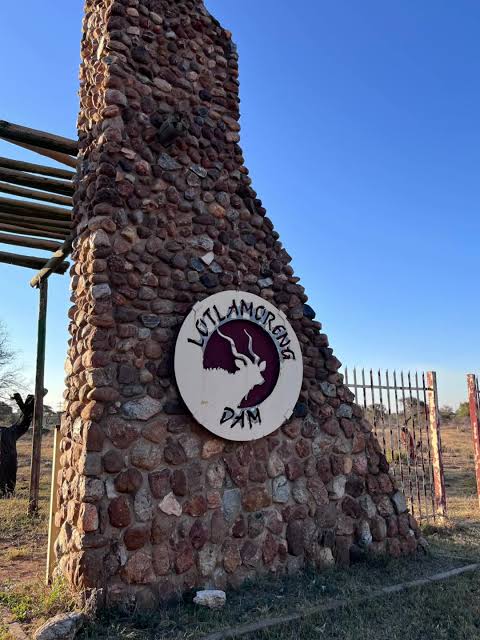
Picture: Lotlamoreng Dam
By KEDIBONE MOLAETSI
10 October 2026 – Many residents call for the refurbishment of Lotlamoreng Dam, which is located on the Molopo River in Mahikeng, North West. According to them, the area serves as an important ecological, recreational and cultural landmark.
One of the residents, Nnunu Gaserekwe said: “The surrounding area holds historical significance as a site tied to the South African War, including use as a burial place for soldiers who fought in the conflict. The area was once home to the renowned Zulu Sanusi, historian, sculptor, and traditional healer Credo Mutwa, who lived in a cave near the dam where people travelled to seek his teachings.
“Over three decades ago, Mutwa and his wife were evicted from their home at the site by the authorities of the former Bophuthatswana homeland government. He later made an emotional return to the site to advocate for the preservation of its deep African history.”
Another resident, Thembisile Mabunda shared the same sentiments. She said Lotlamoreng Dam has public art murals depicting prominent local figures and history, including Dr Modiri Molema, Sol Plaatje, and historical Tswana publications (Koranta ea Becoana).
“The North West Provincial Government (NWPG) once launched multi-phase investments valued at around R45 million to refurbish the Lotlamoreng Dam Cultural Reserve and promised to restore dilapidated structures, building a modern hall and restock wildlife like zebras, wildebeest, and ostriches to boost eco-tourism.
“However, the situation remains the same. Recently, the area hosted the 25th Silver Jubilee Heritage Celebration and we hope those government officials who attended the event saw the state of array the area is in. Lotlamoreng Dam forms part of the key heritage sites linked to the history and cultural identity of the Barolong Boora Tshidi. However, it seems something went horribly wrong,” she said.
According to information, Lotlamoreng Dam was built in August 1950 by the local Barolong people through voluntary community labour under the leadership of Kgosi Lotlamoreng Montshioa I. The construction began on 28 August 1950, across the Molopo River.
The Barolong community built the dam using traditional letsema (voluntary cooperative labour) without expecting payment. The Native Affairs Department supplied an engineer, basic equipment, and food for the workers. The earthen wall (lebota la mmu) was built 1 200 feet long, 80 feet wide and 23 feet high, creating a water reservoir stretching about a mile.
Today, the dam is part of the Lotlamoreng Dam Nature Reserve, valued for public recreation, tourism development, and local public art murals celebrating African history.

