By KEDIBONE MOLAETSI
18 November 2026 – As South Africa joins the global community in observing World Toilet Day on 19 November, the Department of Water and Sanitation (DWS) is emphasising the importance of strengthening sanitation services through effective regulation, consistent application of national standards and collaboration across the sector. The Department of Water and Sanitation said while the country has made progress in expanding access to sanitation, more work is needed to ensure that every person has access to facilities that are safe, functional, hygienic and dignified.
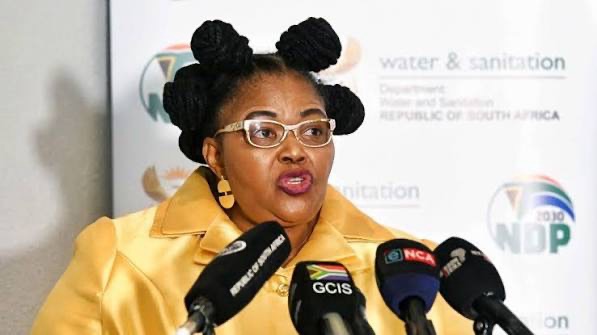
According to the Minister of Water and Sanitation, Pemmy Majodina, this year’s theme: “Sanitation and Gender Equality,” highlights the difficulties women and girls face when they do not have access to adequate sanitation. Majodina said without safe and private toilets, handwashing facilities and appropriate menstrual hygiene provisions, their health, safety and dignity are put at risk.
“In schools, poor sanitation facilities can also affect girls’ attendance and participation in lessons, particularly during menstruation. South Africa has made considerable progress in expanding access to improved sanitation over the years. Statistics South Africa’s 2025 General Household Survey shows that access increased from 61.7% in 2002 to 84.0% in 2025.
“However, 13.0% of households still rely on pit toilets without ventilation pipes. This shows that, despite the progress made, many communities still face challenges in accessing decent sanitation and more needs to be done to close these gaps. An important step towards improving sanitation services was the approval and publication of the Compulsory National Water and Sanitation Services Standards in June 2025, by the department as the sector regulator,” she said.
Majodina further said these standards set out the minimum requirements for sanitation services and provide clear guidance on the quality of services that communities should receive. She added that they also strengthen the basis for monitoring compliance and improving service delivery across the country.
“The standards make an important distinction that providing a toilet alone does not amount to adequate basic sanitation. A basic service must include a toilet and a functional handwashing facility in the yard. Facilities must also be properly ventilated, provide privacy and protection from the weather, and be safe and hygienic for those who use them.
“How human waste is managed is just as important as the availability of a toilet. It must be safely contained, emptied, transported, treated and disposed of. Poor management at any stage can pollute the environment, contaminate water resources and expose communities to serious health risks. The standards also take into account the needs of women, girls and persons with disabilities,” said Majodina.
She said this includes appropriate sanitation facilities in public places, provision for menstrual hygiene and suitable interim services in communities where permanent infrastructure is not yet available. Majodina said sanitation services must respond to the different needs of people and ensure that no one is excluded from accessing a safe and dignified facility.
“Putting these standards into practice requires commitment and cooperation across the water and sanitation sector. The department continues to work with Water Services Authorities, including those facing technical and resource constraints, to strengthen planning, build capacity and identify sanitation solutions suited to local conditions.
“As South Africa observes World Toilet Day, the department calls on all stakeholders in the water and sanitation sector to strengthen their efforts to improve sanitation services and ensure that national standards are put into practice. This means prioritising the improvement of existing facilities, addressing sanitation backlogs, maintaining infrastructure and ensuring that services meet the requirements set out in the national standards,” she concluded.

