By OBAKENG MAJE
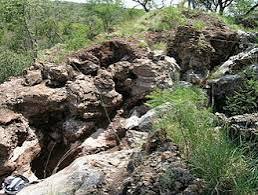
11 October 2026 – Gondolin Cave is a significant Plio-Pleistocene fossil-bearing paleocave system located in the North West Province, South Africa, within the Cradle of Humankind UNESCO World Heritage Site. Situated near Hartbeespoort in the Skurweberg mountain range / Eccles Formation dolomites, roughly a 22-minute drive from Greater Taung (or part of the wider regional network).
Dated to approximately 1.8 million years old. Discovered by K. MacKenzie in 1977 and investigated by the Transvaal Museum and the University of the Witwatersrand. Heavily disturbed by early 20th-century lime mining.
It has yielded over 95,000 fossil specimens—including extinct antelopes, Hystrix makapanensis, and two hominin teeth (Homo and Paranthropus robustus). It is often referred to as one of South Africa’s sabertooth-associated fossil dens.
The cave is located on private property and is not open to the general public for tourist visits. If you are looking for recreational cave hikes or tourist cave visits around the area, local operators host guided hikes in nearby parts of the Magaliesberg rather than inside Gondolin Cave itself.

