By KEDIBONE MOLAETSI
17 April 2026 – The Chief Director for Teaching and Learning at the North West University (NWU), Prof. Mpho Chaka said South Africa is not failing to educate—it is failing to convert education into outcomes. Chaka said a growing disconnect between knowledge and capability risks leaving graduates behind.
He further said the problem is not access to education. Chaka added that it is what happens after.
“That is why universities must shift from teaching content to designing capability. As artificial intelligence reshapes the world of work, universities face a blunt reality: preparing students for jobs is no longer enough. They must prepare them for change.
“South Africa does not suffer from a knowledge deficit. It suffers from a translation deficit. The country produces knowledge at scale as universities generate research, publishing extensively and graduating thousands of students each year,” he said.
Chaka said yet, despite this intellectual productivity, graduate unemployment remains high, critical skills shortages persist and a divide remains between what graduates know and what they are able to do. He said the contradiction is stark.
“There is a clear and systemic gap between access and success, as well as between qualification and employability. Universities do not create value by producing knowledge alone; they create value by translating it into meaning – competence, capability, adaptability and societal contribution. At the North West University (NWU), the Centre for Teaching and Learning (CTL) is designed to do exactly that.
“The challenge is not simply to teach. This reality necessitates a decisive shift in how we conceptualise and enact teaching in a changing landscape. Centres for teaching and learning are becoming essential because the system is under pressure on multiple fronts,” said Chaka.
He said access has expanded, but success has not kept the pace. Chaka said the role of the centres is becoming critical in this regard, not merely as a support structure, but as a strategic driver of pedagogical transformation.
“Academics are appointed for their disciplinary expertise, yet they are expected to teach increasingly diverse student cohorts. Without deliberate intervention, the system cannot translate access into meaningful outcomes. This is where the CTL intervenes.
“It moves academics beyond content delivery towards intentional learning design, evidence-based teaching and continuous improvement, addressing the disconnect between what is taught and what is realised in society,” he said.
Chaka stated that this shift is both deliberate and necessary. He said CTL must enable the redesign of the curricula, the integration of innovative and digitally enabled teaching practices and the alignment of learning outcomes with real world competencies.
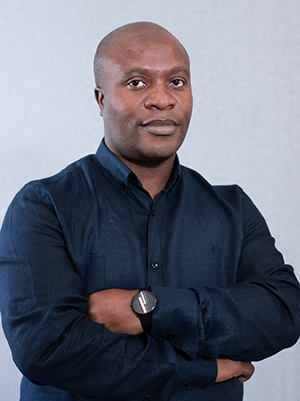
Picture: The Chief Director for Teaching and Learning at NWU, Prof. Mpho Chaka/Supplied

