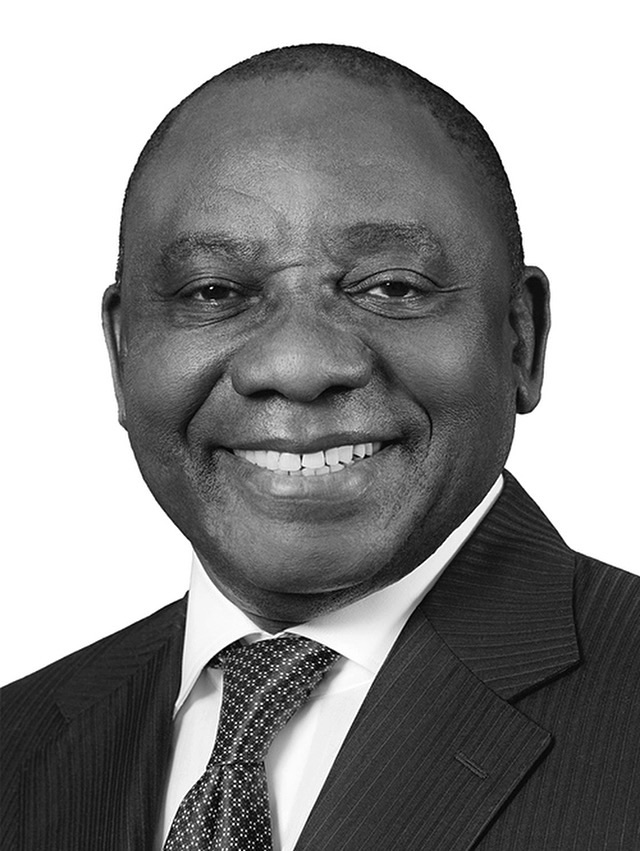
By REGINALD KANYANE
15 September 2025- The Republic of South Africa (RSA) president, Cyril Ramaphosa said once a year in September, South Africa marks Public Service Month, a time to focus on the essential contribution that the country’s 1.7 million public servants make to meeting the needs of the people. Ramaphosa said it is through public servants that the government provides healthcare, education, policing, social services and countless other essential functions that touch every South African’s life.
He further said when their public service operates at its best, it is a powerful instrument for social and economic development. Ramaphosa added that when it falters, it is often their most vulnerable citizens who bear the brunt.
“There are many dedicated public servants who work tirelessly in service of our nation. We thank them for the work they do to improve the lives of South Africans. But our public service faces significant challenges. These include skills gaps, outdated systems and processes, inconsistent service delivery and corruption.
“In many parts of the state, the values of Batho Pele – putting people first – have been eroded. That is why we are strengthening the professional foundations of our public service. Through the reforms underway we are working to attract the right skills, implement rigorous performance management and create career pathways that reward merit and excellence,” he said.
Ramaphosa said through the National School of Government we are investing in training and development. He said as they work to build a more professional, accountable and capable public service, they need to bring the public service closer to the people they serve.
“We must challenge the idea that public servants are providers and citizens are mere beneficiaries of goods and services. The National Dialogue, which was launched in August, provides an opportunity to change the relationship between public servants and the public.
“Over the next few months, South Africans will be meeting as communities across the country. They will be discussing the issues that most concern them and will together be forging a vision to take the country forward. These conversations will culminate in a National Convention next year, which will finalise a social compact that outlines clear actions and responsibilities for all sectors of society,” said Ramaphosa.
He said the thousands of public dialogues taking place across the country will also provide an opportunity for communities to address the immediate challenges that they face where they live. Ramaphosa said these challenges may include anything from electricity cuts to overcrowded schools, a lack of water provision to poorly maintained roads, or an increase in violent crime or drug use.
“Through the National Dialogue process, each community is encouraged to work with all relevant stakeholders – ward councillors, municipal officials, civic bodies, community organisations and provincial and national departments – on a common plan to address these challenges.
“By working together in an integrated way, drawing together resources from within and outside the state, these stakeholders can find ways to solve local problems. Public servants have a vital role to play in working towards solutions alongside and in cooperation with communities,” he said.
Ramaphosa said this approach is closely aligned with the District Development Model (DDM), which is about bringing government closer to the people and ensuring that local needs inform service delivery priorities. He said it is about building a public service that listens to citizens, adapts to their needs and continuously improves its services.
“Such a public service requires the active participation of citizens as partners in development, growth and transformation. I call on every South African to hold the government accountable, to engage constructively with public institutions and to recognise the vital role that a professional public service plays in building the society we all want.
“Together, we can build a public service that serves with excellence and integrity and works with South Africans to realise the promise of a better life for all,” said Ramaphosa.

 The Guardian