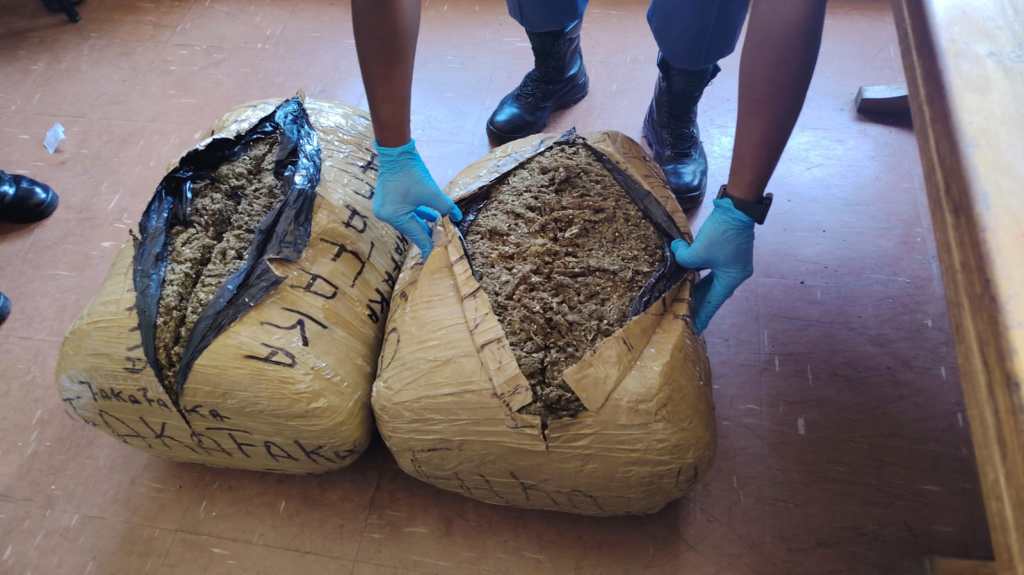
Picture: Dagga worth half a million confiscated/Supplied
By STAFF REPORTER
23 March 2026 – The members of the Upington Crime Prevention Unit intercepted a woman allegedly in possession of drugs at a fuel station in Upington on 20 March 2026. The police acted on intelligence-driven information regarding the movement of the suspect.
The Northern Cape police spokesperson, Warrant Officer Molefi Shemane said upon arrival at the identified location, they spotted a woman matching the description provided. Shemane said the suspect was found in possession of three bags.
“A search of the luggage revealed a large quantity of dagga, with an estimated street value of R670 500. The suspect was subsequently arrested for dealing in dagga,” he said.
Meanwhile, the ZF Mgcawu District Commissioner, Major General Monica Sebili, commended the police for their swift response, which led to the successful arrest and confiscation of the drugs. Sebili further expressed appreciation for the continued support from the community, whose valuable information contributes significantly to the fight against crime and the removal of drugs from communities.
Picture: Police conducting stop and search/Supplied
By BAKANG MOKOTO
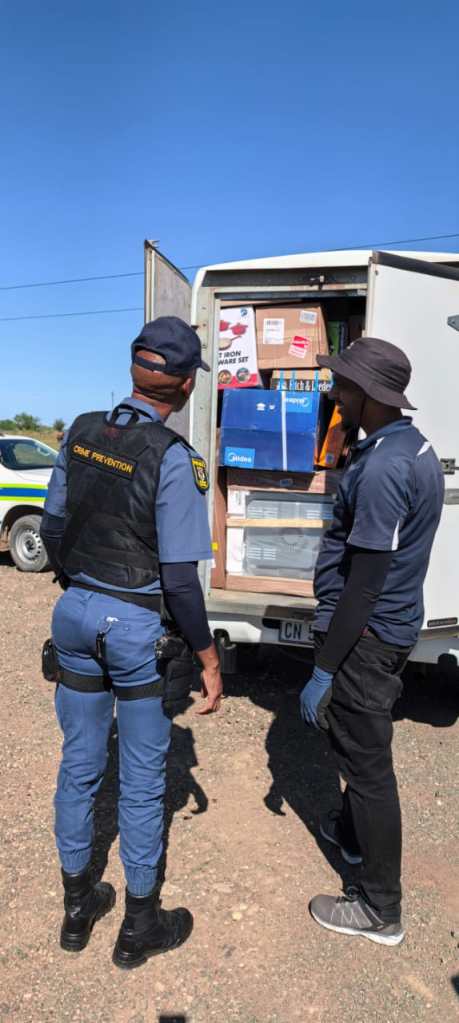
23 March 2026 – Operation Paseka actions have commenced in the Northern Cape to ensure safety and security during the Easter holiday period. These disruptive actions under the auspices of Operation Shanela II, focuses on enhanced crime prevention and combating efforts to curb and address priority crimes in hotspot areas during and beyond the Easter holidays period in the province.
The Northern Cape police spokesperson, Warrant Officer Molefi Shemane said these high-density police actions and activities commenced on 16 until 22 March 2026, included Vehicle Check Points (VCPs), stop and searches, roadblocks, tracing of wanted suspects, foot and vehicle patrols, compliance inspections and visits to farms and mines as well as community engagements.
Shemane said during the weekly operations, 269 suspects were apprehended for crimes such as housebreaking and theft, assault with the intent to cause Grievous Bodily Harm (GBH), attempted murder, dealing in drugs, malicious damage to property, possession of drugs, undocumented persons, murder, rape and robberies.
“A total of 8386 individuals and 4891 vehicles were stopped and searched at vehicle check points (VCPs) during police disruptive actions in the five districts. Compliance inspections were executed at second-hand dealers, scrapyards, formal and informal businesses, mines, farms and at liquor premises.
“During compliance inspections a total of 18 unlicensed liquor premises were closed due to non-compliance. Actions led to the confiscation of items believed to have been used in the commission of a crime as well as money believed to be the proceeds of crime. Additionally, police confiscated alcoholic beverages, ammunition, dangerous weapons, and drugs,” he said.
Shemane further said the police together with Community Policing Structures will embark on awareness campaigns addressing trending crimes during the period, and the prevention thereof. He added that this week also saw the release of the crime statistics of the third quarter for the 2025/2026 by the Northern Cape MEC for Transport, Safety and Liaison, Limakatso Koloi together with the Northern Cape Police Commissioner, Lieutenant General Koliswa Otola.
“The province also hosted a successful and incident free National Human Rights Day celebration that was commemorated at the AR Abass Stadium in Kimberley on 21 March 2026,” he said.
Meanwhile, the North Cape Police Commissioner, Lieutenant General Koliswa Otola, assured the public that operations will continue unabated during the Easter holiday period and beyond. Otola stated that a zero-tolerance approach will be implemented towards the abuse of alcohol and crimes committed against women and children.
“The police will be on high alert at parks and public gatherings as well as at resorts ensuring that our communities feel safe and are safe,” she concluded.
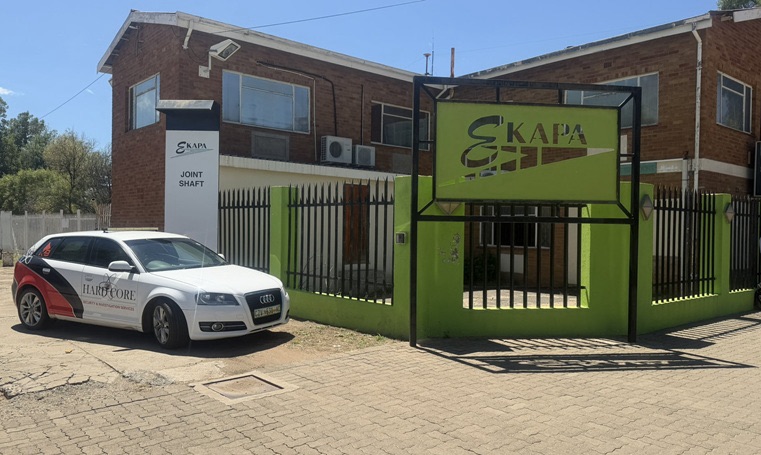
23 March 2026 – The Kimberley Detectives are investigating an inquest after the remaining bodies of two miners were recovered from Ekapa Mine in Kimberley during the early hours of Monday, 23 March 2026. at approximately 2am. The police said five miners died following a mud rush that occurred on 17 February 2026.
The Northern Cape police spokesperson, Colonel Cherelle Ehlers said the investigation continues.
Meanwhile, Northern Cape Police Commissioner, Lieutenant General Koliswa Otola, expressed her heartfelt condolences to the families and colleagues of the miners, who lost their lives in this tragic incident. Otola commended the rescue teams and support personnel for their tireless efforts, under dangerous conditions to ensure that the miners were recovered.
Setshwantsho: Bangwe ba balatofadiwa mo kgetsing ya polao/Facebook
Ka OBAKENG MAJE
23 Mopitlwe 2026 – Kgetsi ya polao kgatlhanong le balatofadiwa ba le supa eleng Flora Mogwera (66), Tshwaro Katong (53), Mosimanegape Gabonewe (55), Victor Maphasane (63), Tekoetsile Katong (63), Losilatau Charles Sakiele (58) ga mmogo le Mompati Mocumi (62), e solofetse go tswelela kwa kgotlhatshekelo ya Taung mo letsatsing la gompieno. Balatofadiwa ba, ba ile ba tshwarwa kwa motseng wa Manthe, gaufi le Taung, mabapi le ditatofatso tsa go bolaya monna wa kwa motseng wa Mothanthanyaneng, Robert Rapelang Molale morago ga go molatotsa ka go bogodu jwa leruo.
Go begwa fa Molale a ile a teketwa le go tsenngwa mo metsing kwa molapong ka kgwedi ya Sedimonthole 2025. Go begwa fa Molale a ile a tlhokafala morago ga moo.
Molatofadiwa, Flora Mogwera (66), o go dumelwang fa dipudi e ne e le tsa gagwe, one a tshwarwa ka Labone le go latofadiwa ka go thopa ka dikgoka. Balatofadiwa ba bangwe jaaka Tshwaro Katong (53), Mosimanegape Gabonewe (55), Victor Maphasane (63), Tekoetsile Katong (63), Losilatau Charles Sakiele (58) ga mmogo le Mompati Mocumi (62) ba lebagane le ditatofatso tsa polao.
Kgabagare, balatofadiwa botlhe ba solofetswe go dira kopo ya beile mo letsatsing la gompieno, mme go utlwa fa ba bosekisi ba se kitla ba nna kgatlhanong le kopo eo.
23 Mopitlwe 2026 – Monna wa dingwaga di 37 wa kwa nageng ya Nigeria, o solofetswe go tlhagelela ka boripana kwa Kgotlhatshekelo ya Vryburg mo letsatsing la gompieno. Monna o, go begwa fa a tshwere ka diritibatsi tse 5138 tsa mandrax le crystal meth, mme tsone di ka rekisiwa ka R51 300.
Go ya ka sebueledi sa sepodisi mo porofenseng ya Bokone Bophirima, Mokaptein Majang Skalkie, are batlhankela ba sepodisi ba ile ba emisa monna o le go mo poruputsha fa ba ne ba tsweletse ka letsholo la bone la go reba bosenyi. Skalkie are batlhankela ba sepodisi ba ile ba fitlhela diritibatsi tseo go mmelaelwa, mme ba mo tshwara.
“Mmelaelwa o ile a isa sepodisi kwa a dulang teng, mme sepodisi sa fitlhela diritibatsi tse dingwe gape. Jaanong, monna o, o solofetswe go tlhagelela kwa Kgotlhatshekelo ya Vryburg mabapi le ditatofatso tsa go tshola le go dira ka diritibatsi,” Skalkie wa tlhalosa.
Kgabagare, mokomishinara wa sepodisi wa nama-o-sa-tshwere mo porofenseng ya Bokone Bophirima, Lieutenant General Ryno Naidoo, o akgotse batlhankela ba sepodisi go nna pudi matseba ka di nako tsotlhe fa ba le mo tirong. Naidoo are go tshwarwa ga mmelaelwa, go shupa maikemisetso a a dirwang ke sepodisi mabapi le go lwa kgatlhanong le tiriso ya diritibatsi.
Setshwantsho: Motlatsa-mokomishinara mo Bokone Bophirima, Major General Patrick Asaneng
Ka KEDIBONE MOLAETSI
23 Mopiltwe 2026 – Motlatsa-mokomishinara mo porofenseng ya Bokone Bophirima, Major General Patrick Asaneng, o bonwe molato wa tsietso ke kgotlhatshekelo ya Potchefstroom. Se, se tla morago ga gore Asaneng a dirise helikopotara ya sepodisi sa Afrika Borwa ntle le molao.
Go begwa fa Asaneng, a ne a tsaya helikopotara ya sepodisi go ya go tsenela tiragalo e e neng e diragala kwa lefelong la go vouta kwa motsesetoropong wa Ikageng kwa Potchefstroom ka ngwaga wa 2019.
Go begwa fa go tlogeng moo, Asaneng a ne a fofela kwa Mahikeng go ya go tsenela kopano le maphata a tshireletso a farologaneng. Fela, Asaneng one a isa papetlana e e shupang fa a dirisitse sejanaga sa gagwe sa tiro.
Dipatlisiso tsa sepodisi di shupile fa ka nako eo, sejanaga seo se ne se ile go baakangwa. Jaanong, Asaneng yo go bontshang fa a lebagane le bokamoso jo bo letobo, o tla itse gore katlholo ya gagwe ke eng fa kgwedi ya Phukwi e tlhola matsatsi a le 20 le 21.
Kgabagare, mokwaledi wa uniyone ya POPCRU mo porofenseng ya Bokone Bophirima, Johannes Dire, are ke kutlobotlhoko le matlhabisa-ditlhong go utlwa ka se se diragaletseng Asaneng. Dire are go fitlha ga jaana, ga ba na dintlha tse di feletseng.
“Ga nkitla re bua kemo ya rona mo kgannyeng e go fitlha re utlwa gore mokomishinara wa sepodisi wa nama-o-sa-tshwere mo porofenseng, Lieutenant General Ryno Naidoo o tsaya tshwetso efe. Fela re dumela gore molao o tshwanetse ke go diragadiwa,” Dire wa tlhalosa.
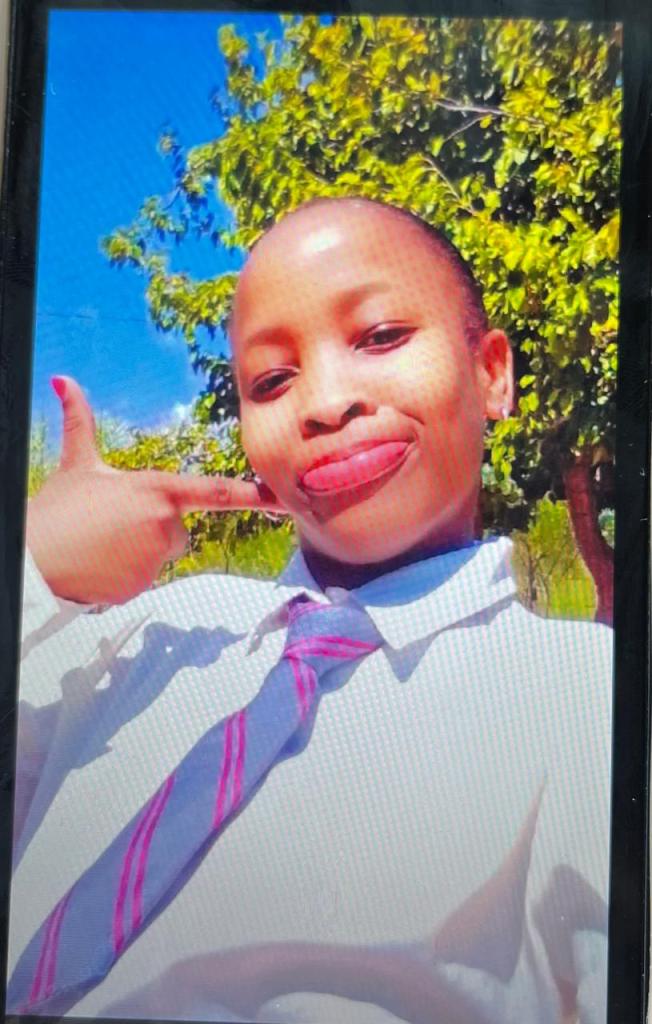
23 March 2026 – The police in Pudimoe request the community’s assistance in locating a missing girl, Koketso Tshipa (15), from Dryharts Village, near Taung. The police said Tshipa was last seen by her mother on 27 February 2026.
The North West police spokesperson, Captain Majang Skalkie said a search commenced and extensive investigations were conducted around Dryharts Village, Vryburg and surrounding areas without any positive results. Skalkie said at the time of her disappearance, she was wearing a grey crop top and a blue jean.
“Tshipa is light in complexion, with a slender build body. The police request anyone who may have information regarding her whereabouts to contact the Investigating Officer, Constable Bongani Mvula on 082 469 2101.
“Alternatively, call your local police station or Crime Stop on 08600 10111. Anonymous tip-offs can also be communicated via the MySAPS App from your smartphone,” she said.
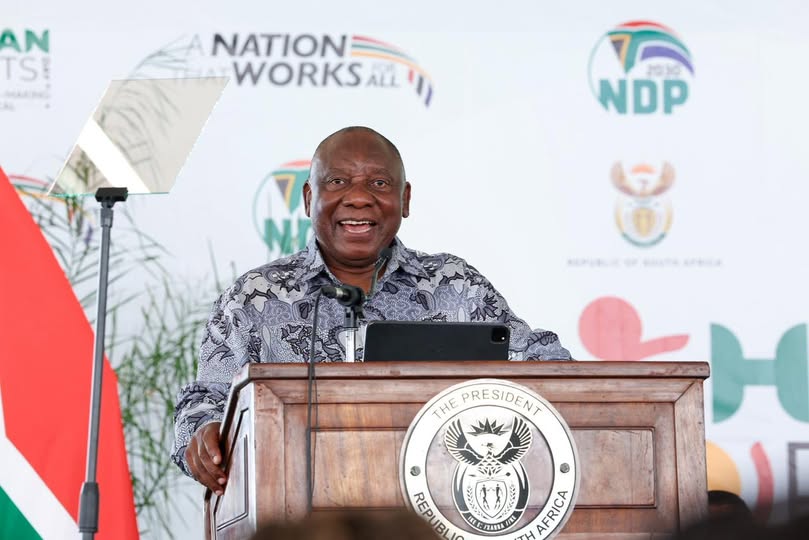
23 March 2026 – The Republic of South Africa (RSA) president, Cyril Ramaphosa said the Human Rights Day takes place in the year that marks 30 years since their democratic Constitution was signed into law. Ramaphosa said it is significant that President Nelson Mandela chose to sign the Constitution into law in Sharpeville, the site of one of the apartheid regime’s worst acts of brutality.
He further said on the anniversary of the Sharpeville Massacre of 21 March 1960, they honour the memories of all those who were killed in the struggle for human rights. Ramaphosa added that it is fitting that the place that had known so much suffering and tears should be the site from which a new South Africa would rise.
“Signing the Constitution into law was the most significant act of our democratic era. It was a clear moral commitment to build a society rooted in equality, freedom and human dignity. Our Constitution is more than the supreme law of the land.
“It set the coordinates for a journey towards a just, inclusive and united future for all South Africans. This is a journey that we remain on to this day. The Constitution is our greatest source of national pride not only because of what it contains, but because of how it was written,” he said.
Ramphosa said the constitution-making process was the most extensive public participation exercise to ever take place in the country. He said the Constitutional Assembly was determined that theirs should be a homegrown Constitution with broad legitimacy and acceptable to all South Africans.
“For nearly a year and a half, we travelled through cities and villages, suburbs and townships, factories and farms to gather people’s contributions to the Constitution. We engaged with men and women, and with black, white, Indian and coloured South Africans alike.
“We met with young people with little experience of apartheid and with older people who still carried its painful wounds. We listened to the hopes, dreams and fears of middle class and working-class South Africans, with the employed and the unemployed,” said Ramaphosa.
He said they held community meetings, met with people at their places of work and study, and shared their views, concerns and proposals on the airwaves. Ramaphosa said everyone who took part in these discussions had a deep understanding of why human rights mattered.
“In many cases, their views were born of their own personal experiences of injustice. Today, we have a People’s Constitution, which every South African citizen of the time had a hand in writing.
“These places a particular responsibility on us as a country to uphold the fundamental rights of all people. We have a special responsibility to protect and advance the human dignity of all,” he said.
Ramaphosa said the Constitution obliges them to restore what was lost or taken. He said since the adoption of the Constitution, they have worked together to restore the dignity of all those who were denied this fundamental right.
“We have done this in many ways. More than 9 million learners in schools across this country are being fed through the National School Nutrition Programme. More than 29 million indigent, unemployed and vulnerable South Africans are receiving old age, disability and child support grants and other forms of social assistance.
“More than 80% of the population now have access to clean water and adequate sanitation, and more than 2 million poor households across this country receive free basic services,” said Ramaphosa.
Picture: Some of drugs confiscated by the police/Gneric
By REGINALD KANYANE
20 March 2026 – Nigerian man (37) was arrested by the police in Vryburg for possession of drugs. The suspect was arrested during routine crime prevention patrols. The police stopped and searched the suspect, during which drugs were found in his possession, leading to his immediate arrest.
The North West police spokesperson, Captain Majang Skalkie said further investigation resulted in the suspect taking the police to his residence, where additional drugs were discovered. Skalkie said a total of 5138 mandrax tablets and crystal meth were confiscated, with an estimated street value of R51 300.
“The suspect is expected to appear before the Vryburg Magistrate’s Court soon on charges of possession of and dealing in drugs,” she said.
Meanwhile, the acting North West Police Commissioner, Major General (Dr) Ryno Nadioo, commended the members for their vigilance and dedication in effecting the arrest during crime prevention duties. Nadioo said the substantial quantity of drugs confiscated further demonstrates the South African Police Service’s ongoing commitment to combating drug-related crimes.
Picture: SANCO and ANC leader in North West, the late James Gadinabokao
By OBAKENG MAJE
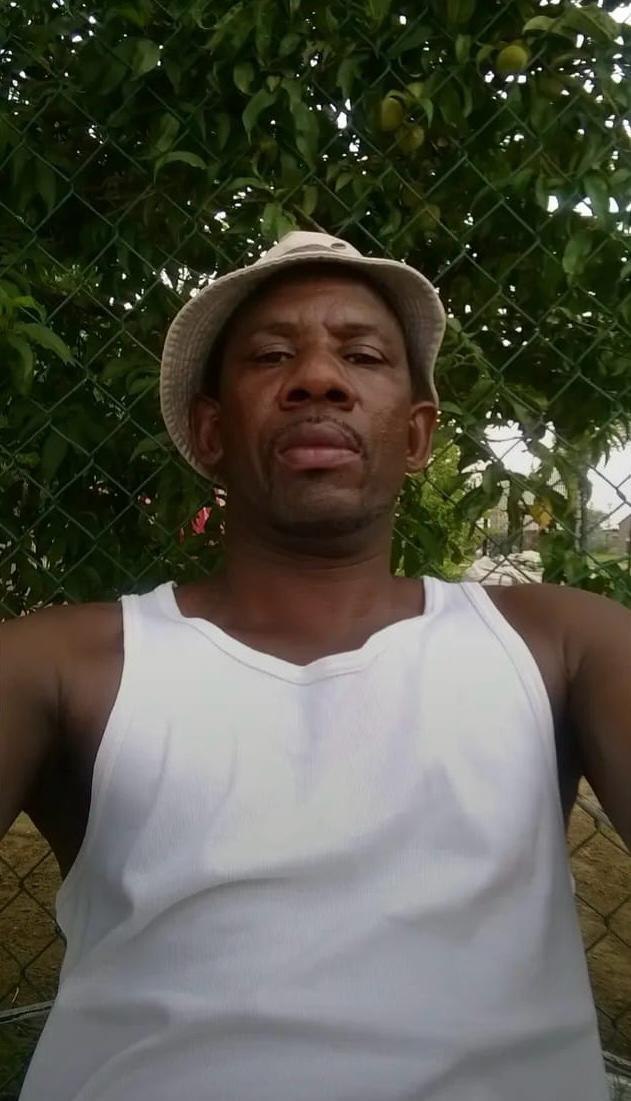
20 March 2026- A leader of the South African National Civic Organisation (SANCO)’s ‘runaway faction” in North West, James Gadinabokao (50), who was also a member of ANC and a staunch supporter of ANC provincial chairperson, Nono Maloyi, died from head injuries. This comes after Gadinabokao allegedly slipped and fell, while in the bathroom at a local guesthouse in Vryburg this week.
It is alleged that Gadinabokao checked-in into the guesthouse in the company of a woman on Monday. However, it is alleged that on Tuesday morning, he went to the bathroom, where he slipped and fell.
It is alleged that Gadinabokao suffered a neurological impairment.
The North West police spokesperson, Captain Majang Skalkie said the police in Vryburg have registered an inquiry for further investigation following an incident. Skalkie said according to the witness, the victim was neither attacked nor stabbed, but allegedly fell and sustained a head injury while in the bathroom.
“Emergency Medical Rescue Services (EMRS) were called and ferried the victim to the Joe Morolong Memorial Hospital, where he was admitted for medical treatment. Investigation in the matter is underway,” she said.
Meanwhile, Gadinabokao died at the hospital on Friday afternoon.

 The Guardian