Picture: Residents of Setlhwatlhwe get new school/Supplied
By BAKANG MOKOTO
19 June 2026- The North West MEC for Education, Viola Motsumi has official handed over a fully furnished, state-of-the-art Kgosi Shope Secondary School to the community of Setlhwatlhwe village on 17 June 2026. Motsumi said the handover ceremony coincided with the commemoration of the Soweto Uprising, honouring the sacrifices made by the youth of 16 June 1976 in the struggle for equal and quality education.
She further said as the nation reflects on this important chapter in South Africa’s history, learners at Kgosi Shope Secondary School benefitted a modern educational facility designed to provide a conducive environment for learning and teaching. Motsumi added that new school is expected to improve academic performance, enhance access to quality education and restore the dignity of learners in rural communities by providing infrastructure that meets modern educational standards.
“The department is hard at work eradicating unsafe and inappropriate schools. As part of the department’s ongoing program to eradicate unsafe and inappropriate school infrastructure.
“We delivered a school with 12 new classrooms, administration block, science laboratory, library, ablution facilities, water, electricity and perimeter fencing], replacing dilapidated structures that previously compromised the safety and dignity of learners and educators,” she said.
Motsumi further said through this project, they are restoring the dignity of both learners and educators of Setlhwatlhwe village. She added that no child should learn under fear of collapsing walls or leaking roofs.
“Kgosi Shope Secondary School now stands as proof that the Department keeps its promises. Infrastructure is the foundation for quality teaching and learning and we will not rest until every learner in the North West has access to safe, modern schools.
“We further urge learners to take ownership of the new facilities and use them to improve academic performance,” said Mocumi.
She said these classrooms open the doors of learning. Motsumi said they must walk through it.
“Success is a journey, not a destination. Study hard, respect the infrastructure and see this as your first step toward bursaries, TVET colleges, universities and green economy careers.
“The future needs skilled young people who will be able to manage the province. As the department, we remain committed to accelerating infrastructure delivery and strengthening career guidance so that learners in rural areas like Setlhwatlhwe have equal access to opportunity, skills development and the green economy,” she said.
Picture: North West MEC for Public Works and Roads, Elizabeth Mokua visiting the damaged bridge/Supplied
By STAFF REPORTER
19 June 2026- The North West MEC for Public Works and Roads, Elizabeth Mokua has welcomed the commencement of emergency rehabilitation works on Road P53/1 between Pilanesberg International Airport and Mogwase following a site inspection conducted on 17 June 2026. Mokua visited the construction site to assess progress after the department appointed a contractor to undertake emergency repairs necessitated by the collapse of a culvert, which resulted in the closure of the route.
He further said the visit confirmed that construction activities are now underway, marking a significant milestone in the department’s efforts to restore one of the region’s key transport and tourism routes. Mokua added that work is currently underway, including the excavation and preparation of the affected section, the separation of the roadway into construction zones to facilitate safe access for the repair works and the preparation of the surface for the installation of the load-bearing slab.
“These activities form part of the initial phase of the emergency intervention and will pave the way for the reconstruction of the damaged layer works and the restoration of the road.
“We acknowledge the inconvenience and economic impact caused by the road closure, particularly on communities, businesses and the tourism industry in the area,” she said.
Mokua said they understand the frustrations experienced by road users and local communities who have had to travel longer distances and incur additional transport costs since the closure of this road. She said, however, the safety of motorists remains their primary consideration.
“We cannot compromise public safety by reopening a road whose structural integrity has been compromised.
“We further welcome the cooperation from stakeholders and communities, noting that collective efforts would be critical to ensuring the successful completion of the project,” said Mokua.
She said this project is important not only for the communities it serves, but also for the local economy and tourism sector. Mokua said she is encouraged by the commitment demonstrated by all stakeholders and the progress already visible on site.
“We remain confident that the project team will deliver on its mandate and restore this important route as quickly and safely as possible.
“The department remains confident that, subject to site conditions, the repairs can be completed within the anticipated four to six weeks, after which the road will be reopened once engineers have certified it safe for public use,” she said.
17 June 2026 – Kaizer Chiefs are pleased to announce the appointment of Fernando da Cruz as head coach. Cruz has signed a two-year contract with a one-year option, effective 1 July 2026.
Chiefs FC website said born in France, Da Cruz comes highly qualified with a UEFA Pro Licence, the highest coaching certification in football. The website said he worked briefly with Chiefs during pre-season two years ago before joining the Moroccan Football Federation, where he served as Technical Director until the end of June.
“He will officially take charge of Amakhosi at the beginning of July. The 54-year-old brings a wealth of experience to the Soweto giants. His remarkable coaching journey includes three separate stints at French powerhouse Lille, where he worked under renowned Argentine manager, Marcelo Bielsa, and helped nurture future international stars such as Idrissa Gueye, Lucas Digne, Victor Osimhen, and Eden Hazard.
“Da Cruz’s success, however, extends beyond Europe. In the 2022/23 season, he impressively guided AS FAR to the Moroccan Botola League title, cementing his reputation as a proven winner. His strong background in youth development and academy structures aligns neatly with Chiefs’ long-term vision,” said Chiefs.
The Kaizer Chiefs FC said joining him on the bench will be assistant coach, Mahmoud Abbas (35) Egyptian with vast experience who will add further depth to the technical team. The team said the sports science portfolio will come under the direction of Julien Le Heran, who was also born in France.
“The squad returns to training on 18 June, with the assistant-coach overseeing baseline preparations before Da Cruz’s arrival in just under a fortnight’s time. On his arrival, the coach will use the few days before a pre-season camp to evaluate the team and its progress.
“The team will leave for the training camp shortly afterwards, where the coaches will get more time to familiarise themselves with the players and ensure that they are ready for the challenging season ahead,” said Kaizer Chiefs FC.
Picture: Medals and trophy awarded to winners/Supplied
By STAFF REPORTER
17 June 2026 – The Kimberley Community Police Forum (CPF) together with the Kimberley SAPS jointly hosted a vibrant Youth Day commemoration at Du Toitspan Primary School on 16 June 2026. The event was graced with the presence of Bishop Tshepo Mofokeng of the Spiritual Crime Prevention structure, who delivered the devotion.
The Northern Cape police spokesperson, Sergeant Dikeledi Gopane said attendees were welcomed by the Kimberley Visible Policing Commander, Colonel Keamogetse Makobo, while the Frances Baard District CPF Chairperson, Vincent Jaftha, outlined the purpose of the event. Gopane said the celebration took the form of a soccer tournament with eight teams competing in the spirit of unity, sportsmanship and healthy recreation.
“The event received overwhelming support from members of the Frances Baard District Community Police Board, Kimberley SAPS and the local community. The initiative sought to inspire young people to embrace sport as a positive alternative to crime and to encourage them to remain committed to their education.
“The gathering served as a powerful demonstration of the value of effective collaboration between the police and the community. The message: “A child in sport is a child out of court,” came alive on the field, reflecting the true value of partnerships in safeguarding and empowering the youth,” she said.
Gopane further said the prizes were awarded to the winning team, Mighty Cosmos from Platfontein. She added that community members were also treated to music, food and refreshments, which added to the festive atmosphere.
Meanwhile, the Station Commander of Kimberley SAPS, Brigadier Nicholas Mtongana, extended his heartfelt appreciation to all participants, community members, stakeholders, sponsors, organisers and members of the South African Police Service (SAPS), who contributed to the success of the Youth Day Sports Tournament.
Picture: The missing patient, Tshepo Elias Molise/Supplied
By BAKANG MOKOTO
17 June 2026 – The police in Hartswater are appealing to the public to assist in locating Tshepo Elias Molise (47) of H/N 3576 Donkerhoek, in Magogong village, Taung. The police said Molise was admitted to Connie Vorster Memorial Hospital in Hartswater on 28 May 2026.
The Northern Cape police spokesperson, Warrant Officer Molefi Shemane said during visiting hours, family members went to visit him, however he was not in the ward. Shemane said at the time of his disappearance, he was wearing black Adidas tracksuit pants, a blue jacket, blue and red wool hat and white slippers.
“Anyone who can aid the police in locating Molise can contact the investigating officer Detective Warrant Officer Tiisetso Chabeli of Hartswater Detectives on 067 594 5340 or report to the nearest police stations or alternatively contact Crimes Stop number on 08600 10111 or alternatively use the MySAPS App.
“Community members are reminded that there is no waiting period to report a person as missing,” he said.
Picture: The Chief Director of the NWU Business School, Prof Joseph Sekhampu/Supplied
By KEDIBONE MOLAETSI
17 June 2026 – The South African government is becoming trapped within layers of accumulated complexity. The government therefore appears simultaneously hyper-present and absent.
The Chief Director of the NWU Business School, Prof Joseph Sekhampu said complex systems create discretion and discretion creates power. Sekhampu said economic success becomes tied less to productive capability and more to proximity to administrative systems.
He further said the crisis no longer lies in the absence of rules or oversight, but in the growing burden of managing complexity itself. Sekhampu added that in many South African municipalities, officials now spend more time reporting on collapse than preventing it.
“Water systems fail while compliance reports multiply. Infrastructure projects stall inside approval chains designed to improve accountability, but which increasingly delay implementation itself. Across government, every major failure now appears to generate another coordinating structure, another oversight mechanism, another verification process, or another layer of reporting.
“The South African government is becoming trapped within layers of accumulated complexity whose administrative demands may now exceed the institutional capacity available to sustain them effectively. Many of these institutional layers emerged for understandable reasons in a deeply unequal society shaped by exclusion and uneven administrative capacity,” he said.
Sekhampu said when municipalities collapse, new reporting mechanisms follow. He said when corruption spreads, procurement rules multiply.
“When economic transformation lagged, compliance obligations expanded. When universities struggled with student funding administration, the response was more verification, accreditation and reporting rather than institutional simplification. Each reform sought to solve a real problem.
“However, over time, these accumulated responses have produced a governing system that becomes more difficult to manage with each additional intervention. The explanation for this deterioration cannot be reduced to incompetence alone. Leadership failures, corruption and political interference have undoubtedly deepened the crisis, but they operate within a governing architecture whose administrative demands have expanded beyond the organisational coherence available to sustain them,” said Sekhampu.
He said South Africa now asks its government institutions to simultaneously deliver redistribution, transformation, infrastructure expansion, fiscal consolidation, localisation, social protection, environmental transition, regulatory oversight and democratic participation within a low-growth economy and under conditions of uneven capability. Sekhampu said complexity alone is not the problem.
“All modern governments operate through dense systems of regulation, coordination and administration because modern economies are themselves complex. The problem emerges when institutional obligations expand faster than the organisational capacity required to manage them. High-capacity governments can absorb complexity because bureaucratic capability, technical expertise and institutional discipline expand along with policy ambition.
“South Africa, on the contrary, has expanded obligations while parts of the government have weakened, fragmented or lost coherence. The result is a government that increasingly struggles to perform even routine functions because many of its programmes assume levels of administrative coordination that no longer consistently exist,” said Sekhampu.
He said the practical consequences of this overload are visible across government, but water governance illustrates the problem particularly clearly. Sekhampu said responsibility for water provision sits across municipalities, water boards, the Department of Water and Sanitation, provincial structures, Treasury, environmental regulators and infrastructure grant systems.
“When systems fail, additional intervention plans, reporting requirements, coordination forums and task teams are often layered onto existing structures. Yet accountability simultaneously becomes more fragmented. Municipalities blame bulk suppliers, bulk suppliers blame municipalities, national departments cite local implementation failures, and provincial governments often lack direct operational authority.
“The result is a governing system with many institutions involved but diminishing clarity over who is ultimately responsible for ensuring that water reliably reaches households. The government therefore appears simultaneously hyper-present and absent,” he said.
Sekhampu said the implications of this accumulation matter because complex systems create discretion and discretion creates power. He said every additional approval layer, procurement gate, reporting structure and compliance threshold expands the number of points through which economic activity must pass.
“In high-capacity economies, this may improve accountability. In weaker institutional environments, however, it often slows implementation, fragments responsibility and creates opportunities for brokerage and rent extraction.
“Over time, economic success becomes tied less to productive capability and more to proximity to administrative systems. Access, mediation and procedural navigation begin to matter as much as innovation, investment and production,” said Sekhampu.
He said what appears on the surface as policy failure may increasingly reflect a governing logic whose administrative demands have outgrown the institutional capacity required to hold them together. Sekhampu said this is not an argument against democracy, redistribution or transformation.
“In fact, societies that pursue ambitious developmental goals require unusually capable governments because governing inequality imposes a high administrative burden. The challenge emerges when institutional ambition expands while implementation capacity weakens.
“Every failing governing system eventually reaches a threshold where additional reforms no longer build capability but merely redistribute dysfunction across new procedures, committees and oversight structures. What began as mechanisms of accountability gradually hardens into a governing architecture that becomes increasingly difficult to coordinate and execute effectively,” he said.
Sekhampu said institutional activity continues, reports are produced, reforms are announced, and the government still appears constantly in motion. He said yet beneath the appearance of action, a more unsettling possibility emerges.
“The crisis no longer lies in the absence of rules or oversight, but in the growing burden of managing complexity itself,” said Sekhampu.
Picture: The late Masego Mosweu and her husband, Papi Moses Mosweu during happier times/Supplied
By REGINALD KANYANE
17 June 2026 – The Moral Regeneration Movement (MRM) in the North West has condemned in the strongest terms possible the gruesome murder of Masego Moile-Mosweu (39), whose body was discovered over the weekend by a relative at her marital home in Lonely Park village, outside Mahikeng. The civil society led movement promoting the Charter of Positive Values called for justice declared that the heartrending Gender-Based Violence and Femicide (GBVF) incident that occurred on 12 June 2026, has left the Christian community, teaching fraternity, as well as the broader society across the North West province and the country reeling with shock.
Moile-Mosweu was an assistant teacher at Maggie’s Millennium Private School in Golf View.
Convenor of the MRM Provincial Committee, Pastor Lesiba Kgwele said that it is beyond imagination that the deceased victim’s husband, Papi Moses Mosweu (47), who was subsequently arrested in connection with the heinous crime mercilessly bludgeoned the mother of his two children to death with a hammer and screwdriver as alleged.
“We are deeply saddened and disappointed that the victim died from such an atrocious and ghastly act of betrayal in the sanctuary of her home, supposedly at the hands of a man who had vowed to love and protect her who also happened to be a former policeman, a respected church leader who was assumed to be a role model as well as a mentor to those under his Apostolic ministry and pastoral care.
“According to the statement of the police, the couple had allegedly been involved in a confrontation on the morning of the tragic incident,” he said.
Kgwele further said Ngaka Modiri Molema police spokesperson, Sergeant Sipho Taliwe indicated that the husband who was later involved in a collision with a truck on Nelson Mandela Drive, near a shopping mall is currently hospitalised and under police guard. Kgwele conveyed condolences to the Mosweu and Moile families as well those who are mourning the traumatic death of their loved one, their colleague, neighbour and friend.
“He pointed out that denying the children the love of their mother is the worst cruelty they were not supposed to experience in their lives. Whatever strain that the couple might have been experiencing within their 18 years of marriage, did not warrant such a violent reaction which does not mirror the bliss that characterized their relationship as well as partnership in ministry, which had also achieved remarkable milestones through their SA Life Changing Network and Northwest Gospel Artists Association.
“We urge men that are experiencing challenges in their relationships to seek urgent professional help instead of taking matters into their own hands,” he stressed.
Kgwele added that they challenge the church to confront patriarchy, which is prevalent within religious as well as cultural institutions, to break its silence on abuse within families and to take the lead in the national effort to mobilise communities for united action against the scourge of GBVF. He said Mosweu will be buried on Saturday in Dithakong village after a funeral service to commence as from 7am at her marital home.
17 June 2026 – The Democratic Alliance (DA) leader, Geordin Hill-Lewis said following a careful assessment of the DA’s team in the Government of National Unity (GNU), he has written to the Republic of South Africa (RSA) president, Cyril Ramaphosa setting out several changes to the Democratic Alliance’s representation in the National Executive. Hill-Lewis said it is his judgement that the renewed team announced today will strengthen the DA’s contribution to government and give better effect to the mandate received from 3.5 million voters in the 2024 elections.
He further said Willie Aucamp will replace John Steenhuisen as Minister of Agriculture. Hill-Lewis added that during his tenure, Steenhuisen spearheaded the expansion of market access for South Africa’s agricultural products, and made progress in the procurement and distribution of vaccines for Foot-and-Mouth disease (FMD).
“Aucamp’s immediate mandate is to resolve on-going legal proceedings relating to FMD, to work with the entire sector to overcome the crisis and restore confidence through accelerated practical steps to bring the crisis under control. Aucamp will also further the work of opening new markets to our agricultural products to help grow the economy and create jobs.
“David Maynier will take up the position of Minister of Forestry, Fisheries and the Environment. He has had a distinguished career leading frontline portfolios in the National Assembly and the Western Cape Government, and I have every faith in his ability to make a positive impact in the national Cabinet,” said Hill-Lewis.
He said Steenhuisen will replace Alexandra Abrahams as Deputy Minister of Trade, Industry and Competition, where he will focus on the successes, he has achieved in expanding market access and now adding new areas of work in supporting industrial growth, improving competitiveness, and working with business and labour to help unlock job creation. Abrahams moves to the role of Deputy Minister of Electricity and Energy.
“She brings tenacity, discipline and a reform-minded approach to one of the country’s most crucial growth portfolios. Yusuf Cassim, who has served on the Portfolio Committee on Higher Education and has roots in student politics, will be appointed Deputy Minister of Higher Education and Training.
“Jack Bloom, the longest-serving member of the Gauteng Provincial Legislature and a veteran campaigner for good governance, will take up the position of Deputy Minister of Water and Sanitation. These changes demonstrate Democratic Alliance values in action,” said Hill-Lewis.
He said they believe in accountability in public office, high standards of performance and responsiveness to the needs of South Africans. Hill-Lewis said it is my firm expectation that each person representing the DA in government must unmistakably demonstrate the “DA difference” in action.
“That requires government rooted in our philosophical outlook, with higher standards of public service, and absolute commitment to integrity. In every decision I take, no matter how difficult, I seek to advance the attainment of an open, opportunity society for all – a society in which every person can live a life of value.
“These changes will enhance the DA’s ability to give effect to that vision for South Africa,” he said.
Setshwantsho-papiso: Malome o bolaile motlogolowe ka thipa
Ka OBAKENG MAJE
16 Seetebosigo 2026 – Monna wa dingwaga di le 23 o tlhabile le go bolaya motlogolowe wa dingwaga di le 8 pele ga a ka tsaya botshelo jwa gagwe kwa motse-setoropong wa Kanana, kwa Orkney. Go begwa fa lekawana le, le ile la itatlhela mo ntlung kwa le fitlhetseng mogolowe a dutse le bana ba gagwe ba le babedi.
Sebueledi sa sepodisi mono Bokone Bophirima, Konstabole Thuto Bobelo are go begwa fa lekawana le, le ile la phamola motlogolowe wa mosetsanyana, mme a itotlelela le ene kwa phaphosing ya go tlhapa. Bobelo are go begwa fa a ile a tlhabakaka ngwana o mo thamong ka thipa.
“Mmagwe ngwana o, o ile a siela kwa ntle le go batlana le thuso. Go begwa fa a ile a bona sejanaga sa sepodisi se se neng se feta, mme a itsise batlhankela bao ba sepodisi ka masetlapelo a. Ka motsi wa go goroga ga sepodisi kwa lelapeng le, ba ile ba utlwa selelo sa ngwana o go tswa ka phaphosing eo.
“Batlhankela ba ba sepodisi, ba ile ba patelesega go roba lebati la phaphosi e e tlhapang eo, maitlhomo e le go pholosa mosetsanyana o. Go begwa fa mosetsanyana o, a ile a kgona go tswa mo phaphosing eo,” Bobelo wa tlhalosa.
Bobelo o tlhalositse fa monna o, a ile a kgona go tswala lebati la phaphosi eo gape. Bobelo are batlhankela ba sepodisi ba ile ba kgona go roba lebati leo, mme ba fitlhela monna o ka dintho tsa go tlhabiwa mo dimpeng, mo sehubeng le mo thamong.
“Mosetsanyana o, o ile a tabogisediwa kwa kliniking ya selegae, fela o ile a tlhokafala moragonyana. Go begwa fa monna o, a ile a tlhokafalela kwa lefelong la tiragalo. Sebakwa sa tiragalo e, ga se itsiwe go fitlha ga jana,” Bobelo wa tlhalosa.
Kgabagare, mokomishinara wa nakwana wa sepodisi mono Bokone Bophirima, Major General (Dr) Ryno Naidoo, o kaile fa a makaditswe ke tiragalo e. Naidoo are ga gona ngwana ope o tshwanelwang ke go nna motswasetlhabelo wa tiriso dikgoka, segolo bogolo jang go ntswa mo diatleng tsa leloko la lelapa.
“Masetlapelo a, a diragetse pele ga letsatsi la basha la 16 Seetebosigo, mme a tlisa segopotso se se maswe sa gore baagi ba ba senang molato ba tsweletse go latlhegelwa ke matshelo a bone ka ntlheng ya tiriso dikgoka.
“Re ikuela go baagi go ela tlhoka matshwao a kgatelelo ya monagano ga mmogo le dikgogakgogano. Tshotlakako ya bong e tsweletse go nna tlhoba-boroko mo setshabeng, mme go tlhokega tirisano-mmogo go ka ema kgatlhanong le yone,” Naidoo wa tlhalosa.
15 June 2026 – The North West Department of Cooperative Governance, Human Settlements and Traditional Affairs is calling on residents across the province to report any illegal initiation schools operating during the 2026 winter initiation season. This forms part of the department’s ongoing efforts to safeguard the health, safety and wellbeing of initiates and to achieve zero initiation-related deaths and injuries.
The North West MEC for Cooperative Governance, Human Settlements and Traditional Affairs (COGHSTA), Oageng Molapisi said the Provincial Initiation Coordinating Committee (PICC) has approved a total of 92 male initiation schools and 29 female initiation schools across the province following a rigorous application, verification and compliance process. Molapisi said to ensure transparency and public awareness, his department has published the names of all approved initiation schools on its official communication platforms.
“Parents, guardians and initiates are encouraged to familiarise themselves with the approved list and to ensure that initiates attend only legally authorised initiation schools during the winter initiation season.
“In a move aimed at strengthening monitoring and compliance, the department has appointed an additional 20 members to the Provincial Initiation Coordinating Committee. These officials will be responsible for conducting regular inspections and monitoring activities at initiation schools throughout the season to ensure adherence to all applicable regulations and to safeguard the lives of initiates,” he said.
Molapisi reiterated that, the department’s zero-tolerance approach towards illegal initiation schools, warning that principals and operators of unauthorised schools will face the full consequences of the law. He added that safety and wellbeing of initiates remain their foremost priority.
“We call on communities, parents, traditional leaders and all stakeholders to work with government in identifying and reporting illegal initiation schools. Together, we can protect lives and preserve the integrity of this important cultural practice,” concluded Molapisi.
15 June 2026- A man (38) who was arrested for dealing in drugs was sentenced to 23 years imprisonment. This comes after the accused, Levi Ngesi was arrested during Operation Dibida initiated by the Northern Cape Provincial Organised Crime Unit to address drug-related crimes in Postmasburg and Danielskuil.
The Northern Cape police spokesperson, Colonel Cherelle Ehlers said during the operation, a targeted suspect, Levi Ngesi was arrested for dealing in drugs during September 2023. Cherelle said the investigating officer, Detective Sergeant Neil Jacobs, successfully opposed bail.
“On 15 June 2026, Ngesi appeared in the Postmasburg Magistrate’s Court, where he was convicted on three counts of dealing in drugs. He was sentenced to 23 years imprisonment. 10 years imprisonment,” she said.
Meanwhile, the Northern Cape Police Commissioner, Lieutenant General Koliswa Otola, commended members of the Provincial Organised Crime Unit for the successful execution of the operation, which culminated in the conviction and incarceration of a drug dealer. Otola reiterated that drug-related crimes remain a priority for the SAPS and emphasised that efforts will be intensified to ensure that drug dealers feel the full might of the law.
15 June 2026- The Republic of South Africa (RSA) president, Cyril Ramaphosa said on the eve of Youth Day, they honour a generation of young South Africans who changed the course of the history. Ramaphosa said 50 years ago, the youth of 1976 stood up against injustice and demanded the right to learn, to dream and to determine their own future.
He further said their courage helped open the doors of freedom. Ramaphosa added that, the responsibility of their generation is to ensure that those doors lead to opportunity.
“The youth of South Africa rose up to reject an education system that sought to keep them in servitude and deny them the opportunity to realise their potential. Exactly 50 years later, as young South Africans, you face a different challenge such as finding your place in an economy that has for too long kept its doors closed to you.
“We know that for many young South Africans, the promise of democracy can feel distant when jobs are scarce, when opportunities seem out of reach and when qualifications do not always lead to employment,” he said.
Ramaphosa said many of them are working hard, applying for jobs, pursuing training and seeking opportunities, only to face disappointment. He said they hear these frustrations, and they understand that they are real.
“Inclusive economic growth is essential, if we are to tackle youth unemployment in a meaningful and lasting way. That is why we are investing in a massive infrastructure programme and undertaking far-reaching reforms to make our economy more competitive.
“We have embarked on a second ambitious investment drive, raising R890 billion in new investment pledges in the last year. However, these efforts will take time to translate into jobs. Even as the economy grows, young people may still find it difficult to participate in that growth,” said Ramaphosa.
He said that is why they have been investing in programmes that give them access to learning and work opportunities, skills, experience and an income. Ramaphosa said one of their most successful programmes has been the Presidential Employment Stimulus, which was launched at the height of the COVID-19 pandemic.
“Today, that stimulus has created in excess of 2.5 million work and livelihood opportunities. More than eight in ten of these opportunities have gone to young people, and two-thirds to women. It has enabled the most rapid expansion of public employment in our history.
“While these numbers are impressive, what really makes this initiative stand out is the impact that it has on the prospects of those involved and the contribution it makes to the areas in which they work,” said Ramaphosa.
He said last year, through the Basic Education Employment Initiative, 200,000 unemployed young people provided valuable support to nearly 22,000 schools in remote villages, townships, dense inner cities, special needs classrooms and farm schools. Ramaphosa said the programme is giving young people their first foothold in the world of work while strengthening the foundations of learning in the schools that need it most.
“The Social Employment Fund, another successful programme, offers part-time work for young people in social development programmes in areas like education, food and agriculture, health care, environmental improvement and safety. Because it is part-time, participants get regular and predictable income while spending the rest of their time looking for work, exploring business opportunities or improving their skills.
“Alongside these public and social employment programmes, the Presidential Youth Employment Intervention is steadily dismantling the barriers that keep young people locked out of the labour market. Through the SA Youth online platform, more than 5.7 million young people are now able to search for opportunities, overcoming some of the impediments that often hold them back, such as transport and data expenses,” he said.
Ramaphosa said to date, the intervention has facilitated access to over 2.3 million earning opportunities. He said the revitalised National Youth Service has placed more than 132,000 young people in paid service to their communities.
“These are young people learning the dignity of work while giving back to the society that raised them. The Youth Employment Service, which is a business initiative, places young people in quality year-long work experience opportunities in companies across the country.
“We are also pioneering smarter ways of spending training funds. The Jobs Boost Outcomes Fund pays for training for young people only when they are placed in a real, quality job. It is a model that demands results,” said Ramaphosa.
He said behind every one of these numbers is a young person whose dignity has been restored, whose confidence has been renewed and whose horizon has broadened. Ramaphosa said although these opportunities are mostly short-term, there are thousands of stories of young people who have used them as a stepping stone towards finding a permanent job, starting a small business or studying towards a new career. He said the value of these opportunities can be measured not merely by what young people earn while they’re in the programme, but by what they leave with: skills, experience, self-esteem and a sense of purpose.
“Much work remains. The scale of the challenge demands that we sustain and deepen these efforts. Every company, every department, every organisation and every South African who is able to open a door for a young person must do so.
“Your country sees your potential and will work with you to ensure that you realise it. Let us together build a South Africa in which every young person finds their place in an inclusive economy and in a thriving society,” concluded Ramaphosa.
15 June 2026 – A man (36) was sentenced to 36 years imprisonment for multiple charges ranging from motor vehicle theft to contraventions of the Immigration Act. The accused, Michael Chikwani was recently convicted after the court heard evidence detailing how he defrauded individuals through Facebook Marketplace in transactions involving 19 vehicles.
The Northern Cape police spokesperson, Lieutenant Colonel Thabo Litabe said evidence presented in court, revealed that the accused targeted unsuspecting victims who advertised vehicles for sale on the social media platform in the Northern Cape, Western Cape and Free State provinces. Litabe said after successfully arranging to view the vehicles, the accused would provide the sellers with falsified bank payment notifications, creating the impression that payment had been made.
“Believing that the funds had been received, the victims released their vehicles and registration documents to the accused, who would then disappear in the thin air without making any payment. The accused subsequently sold the stolen vehicles to unsuspecting buyers in the Western Cape.
“A total of 26 cases were registered against the accused across the three provinces. These cases were centralised in Kimberley, where the accused was convicted and sentenced by the Kimberley Specialised Commercial Crimes Court. He was sentenced to 15 years imprisonment for theft of motor vehicles,” he said.
Litabe further said was also sentenced to 15 years imprisonment for cyber fraud. He added that the accused was sentenced to three years imprisonment for money laundering and one year for contravention of the Identification Act.
“Chikwani was sentenced to two years imprisonment for Contravention of the Immigration Act. The court ordered that all sentences will be served simultaneously. Therefore, he will effectively serve 15 years imprisonment.
“The successful prosecution of the case stemmed from the meticulous investigation conducted by Warrant Officer Anthony Rheeder of the Kimberley Vehicle Crime Investigation Unit, who was assigned to investigate the case,” said Litabe.
Meanwhile, the Frances Baard District Police Commissioner, Major General Charlotte Makgari, commended Warrant Officer Rheeder for his dedication and exceptional investigative work, which involved extensive travel, long working hours, and unwavering commitment to ensuring that justice was served.
15 June 2026 – The police in Mooinooi have launched a manhunt for suspects responsible for the death of a man and the serious injury of another in an alleged vigilante attack. It is alleged that on 14 June 2026 at approximately 2:30am, the police received a complaint regarding an incident of alleged mob justice in Newtown Section, in Bapong.
The North West police spokesperson, Lieutenant Colonel Sam Tselanyane said upon arrival at the scene, the police found a man lying next with visible injuries to the road, bleeding. Tselanyane said although he was still alive, he was unable to communicate with the police due to the severity of his condition.
“While at the scene, the police heard someone calling for help from nearby bushes. They proceeded to the area and found another seriously injured man, who was able to speak. He identified himself as well as the first victim.
“Furthermore, the police found only two victims at the scene, both of whom were naked. Emergency Medical Rescue Services (EMRS) personnel were summoned and the first victim was declared dead at the scene. The second victim was ferried to a local hospital for medical treatment,” he said.
Tselanyane further said the police are appealing to anyone with information that may assist in the investigation to contact the Investigating Officer, Detective Constable Tshidiso Mankgaba on 078 509 4895 or the South African Police Service (SAPS) Crime Stop number on 08600 10111. He added that anonymous tip-offs can also be submitted via the MySAPS App.
Meanwhile, the acting North West Police Commissioner, Major General (Dr) Ryno Naidoo, condemned the alleged vigilante attack, describing it as a blatant disregard for the rule of law that cannot be tolerated. Naidoo warned community members to work with the police and allow the criminal justice system to take its course, rather than taking the law into their own hands, which is unlawful and may lead to prosecution.
Picture: The deceased, Masego Moile-Moshweu/Facebook
By OBAKENG MAJE
15 June 2026 – A husband who is accused of stabbing his wife, Masego Moile-Moshweu (39) to death is expected to appear in absentia at Mmabatho Magistrate’s Court on 17 June 2026. This comes after he was charged with Moshweu’s murder.
The North West police spokesperson, Colonel Adele Myburgh said on 12 June 2026 at approximately 5:10pm, the police were called to a house in Lonely Park village, near Mahikeng, following a complaint related to domestic violence. Myburgh said upon arrival at the scene, the police found family members and Emergency Medical and Rescue Services (EMRS) personnel, who had already certified Moshweu dead.
“The deceased was reportedly discovered by a family member after several attempts to contact her went unanswered. The family member then proceeded to the residence and found all doors locked and windows closed. After searching for keys, she located a bunch of keys inside a parked vehicle within the yard.
“She managed to unlock the main door, but found the bedroom door locked. She subsequently searched the house for the key, located one, and unlocked the bedroom door. Upon entering the room, she allegedly discovered the deceased lying motionless in a pool of blood,” she said.
Myburgh said it is further alleged that the deceased and her husband had been involved in a confrontation earlier that morning. She added that the husband was later involved in a collision with a truck on Nelson Mandela Drive near a shopping mall.
“The husband is still hospitalised under police guard and will appear in absentia before the Mmabatho Magistrate’s Court on 17 June 2026, on a charge of murder,” said Myburgh.
Meanwhile, the acting North West Police Commissioner, Major General (Dr) Ryno Naidoo, said he strongly condemned this senseless act of violence against a woman. Naidoo said Gender-Based Violence (GBV) continues to destroy families and communities.
“The police will remain committed to ensuring that perpetrators are brought to justice. While the matter will be before the court, we urge members of the public to report all forms of abuse and seek help before situations escalate into tragedy.
14 June 2026 – A multi-disciplinary police team conducted Operation Shanela II high-density operations in the Rietfontein policing area. The operation involved the police from Rietfontein SAPS, the Provincial Border Police, Rietfontein Port of Entry, Witdraai SAPS, Gemsbok Port of Entry and Tweerevieren Port of Entry.
The Northern Cape police spokesperson, Warrant Officer Molefi Shemane said on 12 June 2026, the police executed search and seizure warrants at two identified premises suspected of being involved in drug dealing. Shemane said at the first premises, police found a man (18) in possession of drugs with an estimated street value of R25 750.
“The suspect was arrested for dealing in drugs. At the second identified premises, the police discovered drugs with an estimated street value of R19 500. An inquiry docket was opened and a man 55), including two women aged 27 and 61, were taken in for questioning after drugs were found on the premises.
“The police in the ZF Mgcawu District will continue with operations aimed at removing drugs from communities and ensuring safer streets,” he said.
Picture: Some of drugs confiscated by the police/Supplied
By BAKANG MOKOTO
14 June 2026 – The police attached to Upington Crime Prevention, together with Community in Blue (CIP) patrollers, conducted foot patrols in Basson and Mark streets in Upington on 12 June 2026, when they noticed a suspicious vehicle. The police approached the vehicle and instructed the occupant to alight.
The Northern Cape police spokesperson, Warrant Officer Molefi Shemane said a search of the suspect yielded no illicit items. Shemane said the police subsequently searched the vehicle and discovered suspected drugs concealed inside.
“A foreign national (29) was arrested for possession of drugs. The police also confiscated the white Toyota Corolla allegedly used in the commission of the crime. The suspect is expected to appear in court soon on charges of possession of drugs,” he said.
Meanwhile, the ZF Mgcawu District Police Commissioner, Major General Monica Sebili, commended the police for their vigilance and commitment in ensuring that drug peddlers are removed from communities and that illegal substances are kept off the streets.
Picture: Police conducting a search in one of the shops/Supplied
By STAFF REPORTER
14 June 2026 – The concerted efforts by the police to assert the authority of the state across the five districts of the Northern Cape during Operation Shanela II High Density Operations, conducted from 8 until 14 June 2026, resulted in the arrest of 678 suspects for various offences. During the intelligence-driven and the multi-disciplinary disruptive operations, the police executed vehicle control points (VCPs), stop-and-search operations, roadblocks, tracing operations for wanted suspects, foot and vehicle patrols, visibility patrols at taxi ranks, malls and shopping complexes, compliance inspections, and visits to farms and mines.
The Northern Cape police spokesperson, Warrant Officer Molefi Shemane said at VCPs and roadblocks conducted throughout the province, the police stopped and searched 8003 vehicles and searched 16 785 persons. Shemane said compliance inspections were conducted at second-hand goods dealers, liquor outlets, scrapyards, formal and informal businesses, as well as farms and mines.
“Twelve unlicensed liquor premises were closed for non-compliance. The police also confiscated alcoholic beverages, cash believed to be the proceeds of crime, cell phones, copper cables, dangerous weapons and drugs during the operations.
“In collaboration with community policing structures, awareness campaigns were conducted with specific focus on the observation of Youth Month,” he said.
Meanwhile, the Northern Cape Police Commissioner, Lieutenant General Koliswa Otola, applauded the multi-disciplinary law enforcement teams for their professionalism and unwavering commitment during the execution of the operations. Otola also expressed her appreciation to community structures and members of the public for their continued support in assisting the police in the fight against crime.
“We encourage the communities to participate in the “Rate Our Service” online survey to assist the South African Police Service (SAPS) in improving service delivery.
14 June 2026 – The Democratic Alliance (DA) leader, Geordin Hill-Lewis, who is also Cape Town mayoral candidate thanked the people of Cape Town for placing their trust in him and in the DA. Hill-Lewis thanked every resident who has worked with them, challenged them, held them accountable, reported faults, joined neighbourhood watches, picked up litter, started businesses, volunteered in communities and kept believing that Cape Town can become even better.
He further said a city is not built by concrete and steel, but by its people. Hill-Lewis added that Cape Town is a city full of wonderful people.
“The best part of my day is meeting and chatting with the residents of this city. As soon as I get out of my office and into the streets, I feel the warm hearts of Capetonians. I love listening to their stories, sharing a meal together, hearing what is working and what isn’t working, and laughing together.
“I am standing here today with deep humility and a full heart. Four and a half years ago, we set out with a simple mission. To be the City of Hope for all. To show every person that they do not have to give up on the dream that South Africa can work,” he said.
Hill-Lewis said to demonstrate that no one needs to accept that the only direction their country can go, is backwards. He said they can go forwards.
“No matter how tough our problems are, we can solve them, step by step in the right direction. Our love for Cape Town and her people, our love for this country, made us determined to prove that we could be hopeful again.
“Nearly five years later, we can feel a deep sense of pride in the city we are building. Cape Town is by no means perfect and there is still so much to do. But we are showing the whole country what a working city looks like – for everyone. The candle of hope we have lit in Cape Town has become a torch lighting the way across South Africa – from Joburg to Emfuleni, to Ekurhuleni, to Tshwane, Umngeni and every corner of our country,” said Hill-Lewis.
He said everywhere people are saying, if that can happen in Cape Town, it can happen here too. Hill-Lewis said when he sees thousands of children playing happily in all the swimming pools, they have fixed in places like Mitchells Plain, or Langa, or Gugs, or Bellville. My heart is full of joy.
“When I see teenagers in Manenberg and Mandela Park and Atlantis and Bishop Lavis playing on newly rebuilt sports fields of the highest and best quality, I know we have taken Cape Town forward for all. When a young lady named Deidre called in on the radio with emotion in her voice to say she had just got her first job, I know that we are bringing hope to people who had once lost faith in the system.
“When I meet an Auntie right here in Hanover Park and she tells me that whenever something happens, it is always Cape Town Law Enforcement officers that arrive first – always professional and always helpful – then I know we are helping make Cape Town safer,” he said.
14 June 2026 – A joint meeting of three parliamentary oversight committees on Friday received a briefing from the Independent Electoral Commission (IEC) on the state of readiness for the 2026 Local Government Elections (LGE) and the voter registration weekend scheduled for 20 and 21 June 2026. The Portfolio Committee on Home Affairs, the Portfolio Committee on Cooperative Governance and Traditional Affairs and the Select Committee on Security and Justice met with the IEC to assess progress on voter registration and the IEC’s operational readiness.
The Chairperson of the Portfolio Committee on Cooperative Governance and Traditional Affairs, Dr Zweli Mkhize said the committees emphasised the need for clear communication to educate the public about the electoral system. Mkhize said the committees also emphasised that educational communication must be in all indigenous languages, including sign language, to educate, inform and raise awareness about the electoral system.
“We welcome the presentation and Parliament should continue to receive regular updates on public attitudes towards elections and trust in institutions. It is something that we, as parliamentarians, must constantly work on and find ways of improving, to increase the level of trust and confidence of the public.
“However, members raised questions about the online voter registration process, including reported delays and challenges with the one-time pins (OTPs). The committee noted that the commission must consider the practical reality that some citizens who require online registration services may not have functional cell phones and, therefore, may be unable to receive the OTPs needed to complete registration,” he said.
Mkhize said this matter must be treated as a community concern and asked the IEC to apply its mind and return for further engagement. He added that members also engaged with the IEC on voter management devices and on previous system challenges, especially where connectivity was limited.
“The IEC should continue addressing technical and logistical issues that may create uncertainty. The confidence that we must all have in the system requires that it is beyond question. The handling and security of election materials also formed part of the engagement.
“Members asked the IEC to provide further information on how election materials are transported, stored, accounted for and secured. The committees noted the IEC’s explanation that some security arrangements must be handled carefully to avoid creating additional risk,” said Mkhize.
The Chairperson of the Select Committee on Security and Justice, Jane Mananiso, welcomed the engagement, emphasising the importance of the briefing ahead of the registration weekend during Youth Month.
“It is important that we target the youth to register. It is important to include the youth, older persons, persons with disabilities and rural areas. The committees noted the IEC’s assessment that planning for the local government elections on 4 November is taking place in one of the most challenging pre-election climates in the past three decades.
“The environment is one marked by public pessimism, frustration, declining trust in institutions and a growing disengagement from formal democratic processes,” she said.
Mananiso said the committees also asked the IEC to regularly update Parliament on matters before the courts that may affect public perception and trust. She said the members also asked to be updated regularly on the situation in areas, where there are boundary disputes following the ward delimitation process, as this may affect voter registration and participation.
“The committees resolved that further engagement with the IEC will be necessary as preparations continue,” said Mananiso.
Meanwhile, the Chairperson of the Portfolio Committee on Home Affairs, Mosa Chabane, welcomed the information shared. Chabane said the committees will consider an oversight visit during a future registration weekend, where and when possible, to assess implementation on the ground.
14 June 2026 – The North West MEC for Health, Sello Lehari has welcomed another significant milestone in the advancement of specialised healthcare services following the successful performance of a complex Mitral Valve Replacement surgery at the Klerksdorp-Tshepong Hospital Complex (KTHC) on 11 June 2026. Lehari said the procedure which saved the life of a patient, Mosemanegape Jacobs (36) from Vryburg, marks a major breakthrough in the provision of highly specialised tertiary healthcare services within the province and further strengthens Klerksdorp-Tshepong Hospital Complex’s position as a leading centre of clinical excellence.
He further said as the province prepares for the establishment and operationalisation of the Desmond Tutu Medical School, Klerksdorp-Tshepong Hospital Complex is expected to play a central role as a primary teaching and training platform for future healthcare professionals. Lehari added that the successful execution of such highly specialised procedures demonstrates the growing clinical capacity and readiness of the institution to support advanced medical training and service delivery.
“Mitral Valve Replacement is a sophisticated cardiac surgical procedure performed to replace a damaged mitral valve with an artificial valve. The surgery is often required when the valve becomes narrowed or leaks, preventing efficient blood circulation and placing significant strain on the heart.
“Jacobs was initially assessed and prepared for surgery by the hospital’s cardiology team led by Dr Chiweza and Dr Zacharia. The five-hour operation was successfully performed by a multidisciplinary Cardiothoracic Surgery Team led by Dr Tumi Taunyane from Charlotte Maxeke Johannesburg Academic Hospital and the University of the Witwatersrand, together with Cardiothoracic Surgeon, Dr Manzini and Registrar Dr Walters,” he said.
Lehari said the anaesthetic team consisted of Dr Mallier, Dr Leeba and Dr Machabe, supported by experienced theatre nursing personnel and a wide range of support services. He said the patient is currently recovering in the Intensive Care Unit (ICU) at Tshepong Hospital, where he remains in a stable condition, fully conscious and successfully weaned off life-support systems.
“We would like to congratulate the medical team and described the achievement as a clear indication of the province’s commitment to expanding access to specialised healthcare services closer to communities.
“This successful operation represents much more than a medical breakthrough. It demonstrates the growing capacity of our public healthcare system to deliver highly specialised and life-saving interventions within the province,” said Lehari.
He said it is exactly the kind of progress they need as they prepare Klerksdorp-Tshepong Hospital Complex to serve as a key training platform for the future Desmond Tutu Medical School. Lehari said they are building a healthcare system that not only treats patients, but also develops the next generation of healthcare professionals.
“Most importantly, this achievement means that patients from areas such as Vryburg and other parts of the province can increasingly access advanced treatment closer to home, reducing the burden of travelling hundreds of kilometres to facilities outside the province,” he said.
The Deputy Director-General for Hospitals and Specialised Services, Polaki Mokatsane said the procedure demonstrates the success of ongoing investments in specialised healthcare services and multidisciplinary clinical collaboration. Mokatsane said the successful completion of a complex cardiac surgery of this nature is evidence that their hospitals are steadily expanding their specialised service offerings.
“It reflects the dedication of our healthcare professionals, the effectiveness of our partnerships with centres of excellence, and the strategic investments being made to strengthen tertiary healthcare services in the North West province.
“Every milestone of this nature contributes to our broader objective of ensuring that patients receive quality specialised care within the province, while supporting the academic and training environment required for a modern medical school,” he said.
Meanwhile, the CEO of Klerksdorp-Tshepong Hospital Complex, Thulane Madonsela, praised the collective efforts of all staff members involved in the patient’s care journey.
“This achievement belongs to every member of the Klerksdorp-Tshepong Hospital Complex family. From the cardiologists, surgeons, anaesthetists and theatre nurses to the porters, clerks, perfusionists, radiographers, radiologists, health technology personnel and support staff, every individual played an important role in making this life-saving operation possible.
“At Klerksdorp-Tshepong Hospital Complex, we do not simply replace heart valves; we restore lives, dignity and hope. We remain committed to providing compassionate, quality and patient-centred healthcare services to the people of the North West,” he said.
Madonsela said the department extends its appreciation to the surgical teams, support personnel and collaborating specialists whose expertise and commitment contributed to the successful outcome of the operation. He said the latest breakthrough further reinforces Klerksdorp-Tshepong Hospital Complex’s growing reputation as a centre of excellence capable of delivering advanced tertiary and specialised healthcare services while supporting the province’s vision of strengthening academic medicine and healthcare innovation.
Picture: The deceased, Masego Moshweu-Moile/Facebook
By OBAKENG MAJE
14 June 2026 – A woman (39) was allegedly stabbed to death in Lonely Park, near Mahikeng. According to the police, on 12 June 2026, at approximately 5:10pm, they were called to a house following a complaint related to domestic violence.
The Ngaka Modiri Molema District police spokesperson, Sergeant Sipho Taliwe said upon arrival at the scene, the police found family members and Emergency Medical and Rescue Services (EMRS) personnel, who had already certified the victim, Masego Moshweu-Moile dead. Taliwe said Moshweu-Moile was reportedly discovered by a family member after several attempts to contact her went unanswered.
“The family member then proceeded to the residence and found all doors locked and windows closed. After searching for keys, she located a bunch of keys inside a parked vehicle within the yard. She managed to unlock the main door, but found the bedroom door locked.
“She subsequently searched the house for the key, located one, and unlocked the bedroom door. Upon entering the room, she allegedly discovered the deceased lying motionless in a pool of blood. It is further alleged that the deceased and her husband had been involved in a confrontation earlier that morning,” he said.
Taliwe further said the husband was later involved in a collision with a truck on Nelson Mandela Drive, near a shopping mall. He added that the husband is currently hospitalised and receiving medical treatment.
“The police investigations are ongoing. Anyone with information that may assist the investigation is urged to contact Mahikeng SAPS or Crime Stop on 08600 10111. The community is urged to refrain from spreading unverified information on social media platforms and to allow the police to establish and verify all facts as part of the ongoing investigation,” said Taliwe.
14 June 2026 – A man (32) was sentenced to 12 years imprisonment by the Ganyesa Regional Court for attempted murder. The conviction stems from an incident in which the accused, Mogomotsi Nogane stabbed Mamikie Gouws (30) with a sharp object.
The North West police spokesperson, Lieutenant Colonel Sam Tselanyane said the evidence brought before the court indicated that on 29 July 2025, the victim was asleep at her home when the accused broke a window pane and entered her bedroom. Tselanyane said upon entering the room, Nogane produced a sharp object and stabbed the victim several times before fleeing through the same window.
“The victim identified the assailant as Nogane. Subsequently, the police and Emergency Medical Rescue Services (EMRS) were summoned to the scene. The victim was transported to a local hospital, where she was admitted with multiple stab wounds to the head and upper body.
“A case of attempted murder was registered and referred to the Provincial Serial and Electronic Crime Investigation (SECI) Unit for further investigation. A search for the suspect was launched and Nogane was subsequently apprehended and charged,” he said.
Tselanyane further said the police successfully opposed bail, resulting in the accused remaining in custody from the time of his arrest until his sentencing.
Meanwhile, the acting North West Police Commissioner, Major General (Dr) Ryno Naidoo, commended the investigating officer, Detective Constable Teko Montwedi and the prosecuting team for their dedication and professionalism in ensuring that justice was served. Naidoo added that the South African Police Service (SAPS) in the province remains committed to combating Gender-Based Violence and Femicide (GBVF) and will continue to act decisively against perpetrators of such crimes.
14 June 2026 – The Basadi in Music Awards (BIMA) celebrates five years of championing, recognising and empowering women in music, the organisation is proud to announce the appointment of a distinguished Advisory Board comprising some of Africa’s most accomplished leaders across music, media, business, governance, fashion, healthcare and the creative industries.
BIMA said this appointment marks a significant milestone in the evolution of the Basadi in Music Awards can as the platform continues to expand its influence beyond South Africa and strengthen its position as a leading Pan-African platform dedicated to celebrating and advancing women in music.
The founder of Basadi in Music Awards, Hloni Modise-Matau said the BIMA Advisory Board serves as a distinguished collective of industry leaders, creatives, executives and advocates who provide strategic guidance, insight, and support to advance the mission of the organisation. Modise-Matau said the Board plays a critical role in safeguarding the integrity, credibility and long-term vision of the Awards by offering expertise on industry trends, governance, stakeholder engagement and opportunities for growth.
“Through their collective experience, members help ensure that the Awards continue to celebrate, elevate, and empower women across all sectors of the music industry. As ambassadors of the Basadi in Music Awards, Advisory Board members will champion the recognition of women’s achievements, promote inclusivity and excellence, strengthen industry partnerships, and support initiatives that drive meaningful change within the South African and African music landscape.
“The Advisory Board’s contribution ensures that the Basadi in Music Awards remains a respected and impactful platform dedicated to honouring the remarkable women who shape, influence, and transform the music industry,” she said.
Modise-Matau further said the Board brings together a remarkable collective of women whose expertise, leadership, and influence have shaped industries, inspired communities, and contributed meaningfully to Africa’s cultural and economic landscape. She added that their role will be to provide strategic guidance, industry insight, and leadership as BIMA enters its next chapter of growth, impact and continental expansion.
“This announcement comes on the heels of another major milestone for the organisation. Following the closure of nominations for the 2026 Basadi in Music Awards, BIMA recorded its highest number of nominations since inception, demonstrating the growing reach of the platform and the increasing recognition of women making significant contributions to the music and entertainment industries across Africa.
“Nominees for the 2026 Basadi in Music Awards will be officially announced later this month. The BIMA Advisory Board comprises Yvonne Chaka Chaka, who is affectionately known as the “Princess of Africa”. Chaka Chaka is one of the continent’s most celebrated music icons, philanthropists and humanitarians,” said Modise-Matau.
She said with a career spanning more than four decades, Chaka Chaka has used her platform to champion education, health advocacy, women and youth empowerment, becoming one of Africa’s most respected cultural ambassadors and global voices. Modise-Matau said another board member is Dr Linah Ngcobo, who is a legendary South African music icon, pastor, cultural leader and community builder with over 40 years of influence in music, ministry and mentorship, known for principled leadership and nurturing generations across the creative and social sectors.
“Other members include Dr Mpho Phalatse, Janine Starkey, Dr Kina Nhlengethwa, Lerato Matsoso, Penny Bouwer, Antos Stella, Yolanda Sangweni, Lala Tuku, Sibu Mabena and Manaileng Maphike. The establishment of the Advisory Board represents a defining moment in the organisation’s journey.
“As we celebrate five years of the Basadi in Music Awards, we are intentional about building a sustainable institution that will continue to champion women in music for generations to come. This Advisory Board brings together extraordinary leaders whose collective experience, wisdom and passion for Africa will help guide the next chapter of our growth,” she said.
Modise-Matau said they are honoured to have these remarkable women walk this journey with them as they continue creating opportunities, driving impact and elevating women across the music and creative industries.
14 June 2026 – A man (27) was sentenced to life imprisonment by the Mmabatho Regional Court for raping a minor. According to the complainant, who is the minor’s mother, 1 March 2025, she was at her residential place at Magogoe Tshepang village, near Mahikeng when the accused, Dipogisano George Morwe who is affectionately known as Malome, came to her and allegedly told her that he had sexual intercourse with her daughter (14) and he was afraid of being arrested, hence he confessed to her.
The North West police spokesperson, Lieutenant Colonel Sam Tselanyane said on 4 March 2025, the victim told her mother about the incident. Tselanyane said she indicated that she went to Malome’s place to ask for water.
“Furthermore, Malome allegedly offered her a beer and thereafter slept with her. The matter was reported to the police and a case of rape was registered and referred to Mmabatho Family Violence, Child Protection and Sexual Offences Unit (FCS).
“The investigation led to the arrest of Morwe. The police successfully opposed bail and the accused was kept in detention until his sentencing. The court also heard that the accused was previously convicted of the same crime and he served 10 years imprisonment,” he said.
Tselanyane further said the court ordered that the name of the accused be entered into the National Register for Sex Offenders (NRSO) and he was also declared unfit to possess a firearm.
Meanwhile, the acting North West Police Commissioner, Major General (Dr) Ryno Naidoo, welcomed the sentencing and applauded the investigating officer, Detective Warrant Officer Kenneth Ntshekane and the National Prosecuting Authority (NPA) for the sterling job.
12 June 2026 – Five suspects nabbed for burglary at a tuck shop in Reagile Township, in Koster on 10 June 2026. At around 8:30am, the police deployed in the Koster area were conducting high-visibility patrols as part of proactive policing measures, following reports of potential threats against foreign-owned shops and planned protest activities.
The North West police spokesperson, Colonel Adele Myburgh said during patrols in Reagile, the police observed that several shops were closed and noticed a group of people gathered in the street. Myburgh said upon investigation, the police discovered five female suspects in the process of removing corrugated iron sheets from a tuck shop to gain unlawful entry.
“The suspects had already stolen groceries from the business. When police approached, the suspects attempted to flee the scene, but the people immediately pursued and apprehended all five suspects. The stolen groceries were recovered and seized as evidence.
“Following the arrests, a number of bystanders who had gathered in the area dispersed and left the scene. The police noted that a video depicting members of the public scattering was subsequently recorded by an unidentified individual and shared on social media,” she said.
Myburgh further said the video does not accurately reflect the circumstances surrounding the incident, which involved the successful arrest of burglary suspects and the recovery of stolen property. She added that the situation remained calm and peaceful after the arrests, with no further incidents reported in the area.
Meanwhile, the acting North West Police Commissioner, Major General (Dr) Ryno Naidoo, said the prompt actions of the police demonstrate SAPS’ commitment to protect businesses and maintain law and order. Naidoo warned that criminal acts committed under the guise of community concerns or public gatherings will not be tolerated and those who break the law will be held accountable.
“Lastly, we urge community members to conduct themselves in an orderly and lawful manner at all times. Disorderly conduct that disrupts public order, interferes with police duties, or creates unnecessary panic undermines efforts to maintain safety and stability.
“The five accused, Dikeledi Pule (22), Kelebogile Motshegwa (27), Kedibone Mosweetsi (29), Zanele Makgae (26) and Kedibone Kesilwe (36), briefly appeared before the Koster Magistrate’s Court on 11 June 2026, on charges of burglary at a business premises.
“They were given a warning and their case was postponed to 16 July 2026,” he said.
12 June 2026 – The North West Department of Arts, Culture, Sport and Recreation MEC, Virginia Tlhapi described the return of South African Music Awards (SAMAs) to the Sun City Superbowl in North West as both an emotional and historic moment for the local creative industry. Tlhapi said the Recording Industry of South Africa (RiSA) is delighted to officially announce that the 32nd edition of the SAMAs will return to the province on 15 August 2026.
She further said bringing the country’s most prestigious music awards ceremony back to the province that has hosted some of its most iconic moments over the years and whom many also consider the “Platinum Province” its traditional home. Tlhapi added that the announcement was made on 27 May 2026.
“I could not hide my excitement at the return of South Africa’s premier music celebration. It feels like yesterday when we hosted the 28th instalment of the SAMAs here in the North West. This province has always been a proud and capable host, and we are ready once again to welcome the nation,” said Tlhapi.
She said the return of the SAMAs marks not just an event, but a renewed celebration of the province’s cultural energy, hospitality, and creative infrastructure.
According to SAMA spokesperson, Unathi Gwija, preparations are already underway with key stakeholder engagements taking place to ensure a seamless and unforgettable production. Gwija said they have already begun extensive stakeholder consultations in preparation for the SAMAs.
“There is a strong sense of excitement and unity as we return to the North West, a province that has proven itself as an exceptional host. The announcement has sparked excitement across the music and entertainment industry, with anticipation building for what is expected to be one of the most vibrant and culturally significant editions of the awards to date.
“With the SAMAs returning to familiar ground, this has been described as a Homecoming Edition, a celebration of music, legacy, and the continued evolution of South African sound on its biggest stage,” she said.
Picture: Two men arrested for murder and house robbery/Generic
By STAFF REPORTER
12 June 2026 – Two accused, Hendrik Louis Pretorius (59) and Lourance Johannes Benjamin Roos (42) briefly appeared before the Swartruggens Magistrate’s Court on 11 June 2026, on charges of murder and house robbery. Pretorius and Roos’s court appearance stems from their arrest on 9 June 2026, in connection with the murder of Johan Christian Scheepers, also known as Riana (52).
The North West police spokesperson, Lieutenant Colonel Sam Tselanyane said it is alleged that on 25 March 2026, at around 11:20am, the police received a complaint from one of the accused (Pretorius) regarding a murder and house robbery at a residence in Andries Street, adjacent to the N4 road in Swartruggens. Tselanyane said upon arrival at the scene, the police were shown the body of a man lying in a pool of blood with multiple wounds to the upper body.
“All relevant role players were summoned and Scheepers, who was allegedly residing alone, was certified dead at the scene. The police immediately commenced a search for the suspect(s) and followed up on every lead. A few days after the incident, someone allegedly advertised goods resembling those stolen from the deceased’s house on a local business WhatsApp group.
“A contact number and address were not provided in the advertisement. The police were alerted and in May 2026, the same goods were allegedly advertised again using a different contact number and address,” he said.
Tselanyane further said when confronted by the police about the advertisement, Pretorius denied any knowledge of the advertisement on the group. He added that in April 2026, Pretorius again contacted the police and reported a housebreaking and theft at the deceased’s residence.
“With the assistance of National Crime Intelligence and after obtaining a search warrant for Pretorius’s residence, the police recovered a cellphone in which the whereabouts of the alleged murder weapon were discussed. The two suspects were immediately arrested and charged with murder and house robbery.
“Pretorius and Roos were remanded in custody until 17 June 2026, for a formal bail application. Investigation into the matter continues,” he said.
Meanwhile, the acting North West Police Commissioner, Major General (Dr) Ryno Naidoo, applauded all those involved in the arrest of the suspects for a job well done. Naidoo reiterated that the police in the province will continue striving to ensure that those who believe they can get away with crime are brought to book.
12 June 2026 – Monna wa dingwaga di le 44 yo go begwang fa e le moagi wan aga ya Botswana, Elias Lekganyane, o atlholetswe botshelo botlhe kwa kgolegelong ke kgotlhatshekelo ya sedika ya Molopo mono Mahikeng mabapi le dipetelelo le go thuba mo ntlung. Go begwa fa molatofadiwa a ile a itatlhela ka letlhabaphefo kwa ntlung nngwe kwa Reviera Park mono Mahikeng mo bosigong fa kgwedi ya Seetebosigo ene e tlhola matsatsi a le 15, ka ngwaga wa 2023.
Sebueledi sa sepodisi mo sedikeng sa Ngaka Modiri Molema, Sarasanta Sipho Taliwe are motswasetlhabelo wa dingwaga di le 55, one a robetse fa a utlwa mokgwasa mo ntlung. Taliwe are motswasetlhabelo o ile a tsoga le go ya go lekola gore go diragalang.
“Ka maswabi, o ile a kopana le molatofadiwa. O ile a mo kgema le go mo hapa maoto le matsogo ka thudi. Go begwa fa molatofadiwa a ile a mo betelela, mme morago ga moo, a tsaya dilwana tsa mo ntlung le go di pega mo sejanageng sa motswasetlhabelo.
“Go begwa fa molatofadiwa a ile a boela mo ntlung, mme a betelela motswasetlhabelo lekgetlho la bobedi. Go begwa fa Lekganyane a ile a leka go dumisa sejanaga sa motswasetlhabelo, fela go ile ga pala. Go begwa fa a ile a boela kwa ntlung le go betelela motswasetlhabelo lekgetlho la boraro,” Taliwe wa tlhalosa.
Taliwe are Lekganyane o ile a shupiwa ke motswasetlhabelo, mme seo se ile sa lebisa kwa go tshwarweng ga gagwe. Taliwe are Lekganyane o ile a bonwa molato mo ditatofatsong di le thataro go akaretsa dipetelelo di le tharo, go thuba mo ntlung, go tshwara poo ka maitlhomo a go ntsha dikgobalo ga mmogo le go tlola molao wa bofaladi.
“Leina la molatofadiwa le tla tsenngwa mo maineng a batho ba ba golaganngwang le dipetelelo, mme o tlhalositswe fa a sa siamela go tshola tlhobolo,” Taliwe wa tlhalosa.
Re sale foo, mokomishinara wa sedika sa Ngaka Modiri Molema, Major General Deborah Mmolawa, o amogetse katlholo e e neetsweng Lekganyane. Gape Mmolawa o akgotse mmatlisisi wa kgetsi e, ga mmogo le lephata la bosekisi.
Picture: A man found burnt beyond recognition in a vehicle/Generic
By KEDIBONE MOLAETSI
12 June 2026 – The police in Orkney are investigating a case of murder and defeating the ends of justice following an incident wherein a body of a man (71) was found burnt beyond recognition. It is alleged that on 10 June 2026, at around 6am, the police were alerted by mine security about a burnt vehicle at a remote veld behind Shaft No 6 in Orkney.
The North West police spokesperson, Lieutenant Colonel Sam Tselanyane said upon arrival at the scene, the police discovered a body which was burnt beyond recognition at the back of a panel van. Tselanyane said the preliminary investigation on the vehicle led investigators to an address in Orkney, wherein they could not gain immediate access to the house as it was locked.
“Blood stains were observed on the driveway, leading to the neighbour’s house. Later it was determined that the alleged suspect and deceased are neighbours. Furthermore, the police managed to gain access into the neighbour’s house as it was not locked and a suspected murder weapon and some of the deceased belongings, including a cellular phone were found.
“A suspect (20) was traced to a local hospital, where he was arrested and placed under police guard,” he said.
Meanwhile, the acting North West Police Commissioner, Major General (Dr) Ryno Naidoo, condemned this heinous act of crime in the strongest possible terms. Naidoo applauded the police for their swift reaction and promised that the alleged perpetrator will face the full might of the law.
12 June 2026 – The Vryburg Family Violence, Child Protection and Sexual Offences Unit (FCS) made another breakthrough after three accused were successfully prosecuted and sentenced recently to a combined 38 years imprisonment by the Ganyesa Regional Court. In the first incident, Pako Mahokomabe (29), was sentenced to 10 years imprisonment following a rape case that was reported in Ganyesa on 9 March 2019.
The North West police spokesperson, Lieutenant Colonel Sam Tselanyane said court heard evidence that at around 11:40pm, the victim (16), went from Tlapeng village to Ellias accompanied by a friend. Tselanyane said whilst at Ellias, she was forcefully taken by the accused to his residence and he raped her twice during the night.
“The following morning, the victim went back to her friend’s home and the matter was reported to the police. Ultimately the suspect was traced and arrested and eventually sentenced. The second incident was reported in Ganyesa on 5 July 2022, at around 8pm.
“The complainant (43) was walking from her uncle’s house at Phaposane village to her home and along the way, she was grabbed by Onkemetse Koos Thembisa (38). Thembisa threatened the victim and ordered her not to make a noise. When the victim screamed for help, he assaulted her,” he said.
Tselanyane further said Thembisa forcefully dragged the victim to an abandoned shop and raped her twice. He added that, after this whole ordeal, the accused then forced the victim to his residential place, where he raped her for the third time.
“In the early hours of the next day, the accused freed the victim, who went home and reported the matter to the police. The accused was traced, arrested and he was released on bail. In 2025, he was again arrested for rape and thereafter bail was denied and he was kept in custody until his sentencing to 18 years imprisonment.
“The last incident was also reported in Ganyesa on 8 March 2024, at around 3am. The victim (17), was walking from a tavern in Tlakgameng village with the accused. As they approached the victim’s home, the accused forced her to walk past her home and, in the process, he also slapped her,” said Tselanyane.
He said the vixtim was then threatened and dragged to Gaarathebe River in the village, where the accused raped her. Tselanyane said the matter was reported to the police and the accused, Baleseng Kakgola (28), was arrested and convicted.
“He was sentenced to 10 years imprisonment for rape,” he said.
Meanwhile, the acting North West Police Commissioner, Major General (Dr) Ryno Naidoo, commended the Investigating Officers, Detective Sergeants Tebo Leepile and Mogakolodi Molelekwa, as well as the National Prosecuting Authority (NPA) for the sterling job. Naidoo said that sentences will definitely serve as a warning to those who continue to prey on the vulnerable.
“They will eventually face the consequences of their actions and do time in jail,” he said.
12 June 2026 – The North West MEC for Health, Sello Lehari has refuted allegations that he was involved in the sale of North West Transport Investment (NTI) buses. This comes after startling allegations surfaced on various social media platforms alleging that Lehari sold NTI buses, during his tenure as the North West MEC for Community Safety and Transport Management.
Lehari further said he strongly rejected and dismissed unfounded allegations circulating on social media alleging his involvement in the sale of NTI buses. He added that the allegations widely circulated on social media are devoid of truth, malicious and intended to tarnish his reputation and standing in society as a leader and as a Member of Executive (MEC).
“The department that was under my political leadership, exercised oversight over NTI, but did not participate in its day-to-day management or operational affairs. Like all State-Owned Enterprises (SoEs), NTI operates under its own governance structures and statutory mandates.
“The auctions conducted by NTI formed part of its operational responsibilities and were undertaken in accordance with its governance processes. Reports on these auctions were duly submitted to both the Executive Council (EXCO), in its capacity as shareholder representative, and the Portfolio Committee responsible for overseeing the department,” he said.
Lehari said it is important to also emphasise that during the period in question between 2018 to 2022, all departments were under national government, through the invocation of Section 100(1)(b) with administrators sent from national government to the province, as key decision-makers, in the running of the provincial government. He said it is also important to note that NTI has its own executive management board that runs the entity and reports to the administrator sent by the national government.
“It is therefore impractical that an MEC whose department is under administration can issue such an instruction or be involved, as wrongfully alleged. Prior to this malicious accusation, I had already submitted detailed responses, regarding all matters related to NTI to the Portfolio Committee on Community Safety and Transport Management,” said Lehari.
10 June 2026 – Bafana Bafana head coach Hugo Broos says the team will be ready to face Mexico in the opening match of the 2026 Fédération Internationale de Football Association (FIFA) World Cup this week.
The team has been training at its base camp in Pachuca, Mexico, since last week to help the players acclimatise to the altitude of 2,300 metres above sea level.
Since arriving, Bafana Bafana have been preparing for the global spectacle, with millions of football fans around the world expected to tune in.
Broos said the South African senior men’s national team is eager to embrace the occasion when it takes on 2026 FIFA World Cup co-hosts Mexico in the tournament’s opening match at a packed Estadio Azteca on Thursday, 11 June 2026.
Asked for his view of the Mexico national team, Broos described the side as formidable and said Bafana Bafana would have to be at their best.
“They are dangerous in every area. It is a very complete team, with a lot of movement and strong team spirit. We will have to be at our best if we want a good result. I watched the game against Serbia, and the way they played, especially in the first half hour, was fantastic.
“Their movement, aggression and solidarity stand out. The whole team attacks and the whole team defends. They are a very complete side, and it will be very difficult for us on Thursday. But a football match is a football match.
“We must not think we have no chance against Mexico, because that is not true either. But we have to prepare very well and play at our best level,” the head coach said.
Although the team will play in a stadium filled mostly with Mexican supporters, Broos said Bafana Bafana know South Africans are backing them from home.
“We all know there will be many Mexicans in the stadium and perhaps only a few South Africans, so we cannot count on strong support inside the venue. But we do know we have the support of the nation.
“We felt that in recent days, and during the past week when we began our preparations in South Africa. The whole country is behind us, and we are playing for everyone who believes in us,” he said.
The coach was addressing members of the media ahead of the opening match.
Call to rally behind Bafana Bafana
President Cyril Ramaphosa recently called on South Africans to unite behind Bafana Bafana as the national men’s football team.
“They carry with them the best wishes of more than 62 million South Africans who will be cheering them on at every stage of the tournament. Bafana Bafana are taking part in the World Cup for the first time since we hosted the event in 2010,” the President said last Monday in his weekly newsletter to the nation.
The soccer tournament will be held in Mexico, the United States of America, and Canada.
President Ramaphosa said the country’s journey mirrors that of the national football team, noting that South Africa has emerged from a challenging period and is looking ahead with renewed optimism.
“Much like the national squad, the country has emerged from a prolonged period of difficulty and now looks to the future with hope,” he said.
He pointed to the country’s democratic progress, the strength of its Constitution, the launch of the National Dialogue process and signs of economic recovery as reasons for growing confidence in the future.
The President urged citizens to celebrate not only the team’s achievements but also the progress South Africa has made in building a united, non-racial, non-sexist and democratic society.
“So, as we cheer our team on from the stands, at fan zones and in our homes, we should also cheer ourselves on as a country. We should celebrate how far we have come in building a united, non-racial, non-sexist and democratic South Africa,” the President said.
He concluded by calling for unity as South Africans support the national team on the world stage.
“For 90 minutes, as they play for our country, we will not be divided by language, race, province, club or circumstance. For 90 minutes, as they play, we will simply be South Africans standing together behind our national team and behind our flag.
“One Team. One Nation. Behind Bafana. Behind South Africa. United by our Flag, inspired by our Team. 62 million cheering voices. One Dream,” the President said. –SAnews.gov.za
Picture: North West Premier, Lazarus Mokgosi and Administration of Construction SETA, Oupa Nkoana/Facebook
By STAFF REPORTER
10 June 2026- Over 4000 young people, women and people with disabilities across the North West are expected to benefit from a three-year programme which will harness their skills to enter the job market. This follows the signing of a Memorandum of Understanding (MoU) between the North West Premier Lazarus Mokgosi and Construction SETA in Mahikeng.
Mokgosi said the initiative forms part of the province’s ongoing efforts to tackle unemployment in the province. He further said it will be confined within the built environment sector to assist the province address unemployment through skills development in architecture, civil engineering, town planning, quantity surveying and construction management among others.
“Through the creation of strategic partnerships with various stakeholders in the skills development sector the province seeks to empower the most vulnerable stratums in the province to participate meaningfully in the economy.
“The provincial government has identified the construction sector to drive the provincial economy and create jobs as averred in the Growth and Development Strategy,” he said.
Mokgosi further said as the provincial government, they are deeply concerned by the high levels of unemployment affecting the communities. He added that women and youth often encounter limited access to economic opportunities, while persons with disabilities remain underrepresented in skills development and employment programmes.
“This MoU demonstrates our shared commitment to changing this reality. The MoU seeks to expand access to accredited skills development programmes within the construction and built environment sector by increasing participation of youth, women and persons with disabilities in learnerships, apprenticeships, internships, and artisan development programmes.
“We appreciate Construction SETA for recognizing the potential of our province and for partnering with us in advancing skills development initiatives that will improve the lives of our people,” said Mokgosi.
He said as the province forges ahead with this initiative, they have implored government departments, municipalities, industry partners, training providers and community organisations to work together to ensure that the intended beneficiaries are reached and supported.
Meanwhile, this sentiment was shared by the Administration of Construction SETA, Oupa Nkoana.
“This collaboration aligns with the priorities of government to build a capable workforce, stimulate economic growth, reduce poverty, and promote social inclusion,” he said.
Setshwantsho: Mosetsanyana o tlhokafetse kwa Magogong/Facebook
Ka OBAKENG MAJE
10 Seetebosigo 2026 – Sepodisi mono Taung se batlisisa kgetsi ya morago ga loso. Se, se tla morago ga go tlhokafala ga mosetsanyana wa dingwaga di le tlhano kwa Diplankeng kwa motseng wa Magogong mono Taung mo letsatsing la maabane.
Sebueledi sa sepodisi mo sedikeng sa Dr Ruth Segomotsi Mompati, Warrant Officer Tryphosa van Rooyen are go begwa fa moswi a ile a ngongorega ka matlho a botlhoko, mme ba lelapa ba ile ba mo tshela molemo wa matlho. Van Rooyen are go bontsha fa seemo sa gagwe sa pholo se ile sa etegela, mme go ile ga bidiwa batlankela ba thuso ya potlako.
“Batlhankela ba thuso ya potlako ba ile ba tlhalosa fa mosetsanyana a setse a tlhokafetse. Kgetsi ya morago loso e ile ya bulwa, mme go fitlha ga jaana, sepodisi se ka se netefatse gore sebakwa sa loso ke eng. Dipaltisiso mo kgetsing e, di a tswelela,” van Rooyen wa tlhalosa.
Kgabagare, van Rooyen ga netefatsa dipego tse di sa tlhomamang tse di tletsetletseng mo mafaratlhatlheng a boitapoloso tse di shupang fa moswi a ile a kubugelwa ke bolwetsi morago ga go ja dimonamone tse a di rekileng kwa lebenkeleng la batswakwa. Van Rooyen are go fitlha ga jaaka ga ba belaele fa go nnile le letsogo la tshwene mo losong le.
10 June 2026 – The North West Department of Education and Moretele Local Municipality schools received donations for learners from Gift of the Givers Foundation in partnership with Moretele Local Municipality on 9 June 2026. Learners from Modimokwane Primary School in Mathibestad and Mmamudu Primary School in Makapanstad, received 1500 beanies, 150 sanitary packs, 2 food bulks, detergent bulks, 50 breakfast packs, pairs of school shoes and stationery packs from the Gift of the Givers Foundation.
The North West MEC for Education, Viola Motsumi said the primary objective for the gifts is to motivate learners to attend school throughout winter and summer seasons. Motsumi said the gifts are aimed at complimenting the food that is provided at school and to restore the dignity of learners.
“As a gesture of gratitude, learners and staff at Modimokwane Primary School welcomed the donations with songs, poems and performances. The school further demonstrated its commitment to education by having learners recite and sign a pledge in which they committed to working hard, arriving at school on time and respecting their teachers.
“I also signed the pledge and expressed gratitude for the donations. So, on behalf of the entire department, we appreciate the positive gesture by the Gift of the Givers Foundation. It is true that education is a societal matter,” she said.
Motsumi further said it is important to invest in the future of this country by supporting learners at an early age. She added that next year, they are going to turn things around by putting more focus on primary schools.
“For many years, we have focused mostly on high schools. Primary schools are the foundation of our results, and we must make sure they get the necessary support from the department. We encourage parents and guardians to register learners across since learner registration will end on 30 September 2026.
“The winter warmer campaign continues to bring hope, dignity and much-needed relief to vulnerable learners, while strengthening collaboration between government, communities and humanitarian organisations,” said Motsumi.
Meanwhile, the Moretele Local Municipality mayor, George Manyike, received a framed photograph accompanied by a message of appreciation, while Motsumi and Bojanala District Education Director, were each presented with trophies in recognition of their support and commitment to education.
Manyike said they are pleased that the dignity of learners in the municipality will be restored.
10 June 2026 – The vigilance and alertness of the police in Brandvlei, resulted in the apprehension and arrest of two alleged female drug dealers on 9 June 2026 at approximately 19:40. The police said the information indicated that duo who were believed to be in possession of drugs, were seen in Burger Street in Brandvlei.
The Namakwa District police spokesperson, Captain Ivan Magerman said they were apprehended and escorted to the police station, where a search was conducted. Magerman said the two females aged between 21 and 27, were found in possession of drugs with an estimated street value of R30 260.
“They were subsequently charged for possession of drugs and are expected to appear in the local court soon,” he said.
Meanwhile, the Namakwa District Police Commissioner, Brigadier Schalk Andrews, issued a stern warning to the public that drug activities will not be tolerated and encouraged the community to play their part and take responsibility by cooperating with the police and provide vital information in order for SAPS to respond decisively especially drug related matters.
Picture: Some items allegedly used during commission of crime/Generic
By BAKANG MOKOTO
10 June 2026 – The police in the Greater Kimberley area said they have noted with concern the increase in incidents of damage to electrical boxes causing widespread power outages. They said addressing essential infrastructure related crimes remains a priority for the police in the Northern Cape.
Northern Cape police spokesperson, Colonel Cherelle Ehlers said the SAPS recognises the importance of essential infrastructure in providing basic services. Ehlers said the unacceptable occurrence of crimes relating to essential infrastructure, which poses a risk to inter alia, public safety, electricity supply, water, sanitation, communications and transportation is concerning.
“Tampering, damaging or destroying essential infrastructure, is a criminal offence. The following precautionary measure can be implemented to curb crimes relating to essential infrastructure. Install physical deterrents such as fences, impact resistant glass and strong locks and doors.
“Have bright security lights inside and outside the property. Clean up vandalism and remove or repair any damaged item as soon as possible. Install video surveillance and hire security services companies to provide security guards,” she said.
Ehlers further said the public should provide SAPS with information on illegal activities and the whereabouts of criminals. She added that the theft of ferrous and non-ferrous metal is an economic threat, which requires immediate intervention by all stakeholders concerned in an integrated and coherent manner.
“Reject and report any goods you suspect could have been stolen to the police and blow the whistle on acts of essential infrastructure theft, unscrupulous dealers, suspicious individuals, suspected stolen goods and cable theft to your nearest police station or anonymously contact SAPS Crime Stop number on 08600 10111 or use the MySAPS App.
“All information received will be treated with the strictest confidentiality,” said Ehlers.
10 June 2026 – The Kimberley Serious and Violent Crimes unit is appealing to the public to assist in locating missing Letitia Anita Bucks (32) of 46501 Diamond Park, Greenpoint in Kimberley. The police said Bucks was last seen on 4 June 2026, at her residence by her mother, Linda Visagie.
The Northern Cape police spokesperson, Warrant Officer Molefi Shemane said at the time of her disappearance, she was wearing a dark blue jacket, pink tracksuit top and light blue tracksuit pants. Shemane said anyone with information about the whereabouts of Bucks can contact Detective Sergeant Kelaegile Mosala on 082 302 0407 or crime stop on 08600 10111 or alternatively use the MySAPS app.
“The public is reminded that there is no waiting period to report a person missing,” he said.
9 June 2026 – BMA processes 663 Ghanaian nationals for repatriationCommissioner of the Border Management Authority (BMA), Dr Michael Masiapato, has confirmed that the BMA has successfully processed 663 Ghanaian nationals for repatriation from South Africa to Ghana through OR Tambo International Airport over the weekend.
The repatriation process was coordinated through the Port Management Committee (PMC), comprising various government stakeholders responsible for facilitating lawful and orderly movement across the port of entry.
On Saturday, a group of 332 Ghanaian nationals was brought to OR Tambo International Airport by the Ghanaian High Commission in Pretoria for repatriation. Following an extensive check-in process, the travelers proceeded to BMA Immigration for verification and clearance.
“Of the travelers processed, 170 were travelling on Ghanaian ordinary passports, while 162 were using Emergency Travel Certificates issued by the Ghanaian High Commission in Pretoria. Emergency Travel Certificates are single-use travel documents issued to facilitate the return of citizens to their country of origin,” the BMA said in a statement.
During immigration processing, 321 travelers were found to have overstayed their allocated period of stay in South Africa by 30 days or longer. Consequently, they were declared undesirable in terms of Section 30 of the Immigration Act, read together with Regulation 27(3)(c) of the Immigration Regulations.
At the conclusion of the immigration process, 323 passengers were found eligible to depart and subsequently boarded a chartered flight arranged by the Government of Ghana through its High Commission in Pretoria.
Nine passengers were, however, offloaded from the flight. These included two couples and their five children.
“The wife of one couple and the husband of the other were declared medically unfit to travel by airline personnel. Airport paramedics were called to assist and subsequently transferred the two travelers to the airport clinic for further medical attention.
“On Sunday, a further group of 331 Ghanaian nationals was brought to OR Tambo International Airport by the Ghanaian High Commission for repatriation. Following check-in procedures, the travelers proceeded to BMA Immigration for processing.
“Among those processed, 117 travelers were using Ghanaian ordinary passports, while 90 were travelling on Emergency Travel Certificates issued by the Ghanaian High Commission in Pretoria. In addition, 37 minor children born in South Africa were also processed using Emergency Travel Certificates,” the BMA said.
BMA Immigration officials further processed 25 asylum seekers, who voluntarily submitted withdrawal letters to cancel their asylum applications.
During the verification process, 170 travelers were found to have overstayed their allocated period of stay in South Africa by 30 days or longer and were consequently declared undesirable in terms of Section 30 of the Immigration Act, read together with Regulation 27(3)(c) of the Immigration Regulations.
At the end of the process, 341 passengers, including 10 deportees brought by the Department of Home Affairs from Lindela Holding Facility, were cleared for departure.
One traveler did not check in, but the remaining 340 boarded a chartered flight arranged by the Government of Ghana through its High Commission in Pretoria. The flight departed at 09h30 SA local time.
The repatriation of these Ghanaian nationals demonstrates effective cooperation between the Government of Ghana, through its High Commission in Pretoria, and South African authorities responsible for migration management and border security.
Masiapato commended the Port Management Committee and all officials involved in facilitating the operation.
He further encouraged foreign missions to continue working closely with relevant government departments and entities to ensure the smooth and lawful facilitation of repatriation movements.
“The successful processing of these repatriation movements reflects the importance of coordinated efforts between foreign missions and South African authorities. Such cooperation contributes to effective migration management, while ensuring compliance with the country’s immigration laws,” said Masiapato. – SAnews.gov.za
8 Seetebosigo 2026 – Sepodisi mono Taung se batlisisa kgetsi ya morago ga loso le dikgetsi di le pedi tsa maiteko a polao. Se, se tla morago ga gore monna wa dingwaga di le 36, eleng Tebogo Seboko, go begwe fa a thuntsitse lesea la gagwe la dikgwedi di le thataro ga mmogo le lekgarebe la gagwe la dingwaga di le (18).
Go begwa fa tiragalo e, e diragetse ka letsatsi la Tshipi kwa motseng wa Khibitswane Extension kgotsa Tlolas jaaka o itsege mono Taung. Go begwa fa Seboko a ile a ithuntsa morago ga moo.
Sebueledi sa sepodisi mono sedikeng sa Dr Ruth Segomotsi Mompati, Warrant Officer Tryphosa van Rooyen, are ba thuso ya potlako ba ile ba biletswa kwa lefelong la tiragalo. Van Rooyen are moswi le batswasetlhabelo ba ile ba tabogisetswa kwa bookelo jwa selegae go bona thuso ya potlako.
“Fela, moswi o ile a tlhokafala mo mosong wa Moshupulogo kwa bookelong, fa lekgarebe la dingwaga di le 18 ga mmogo le lesea la gagwe ba kokotlegela sentle kwa bookelong. Go begwa fa sethunya se moswi a se dirisitseng se le mo molao.
“Sepodisi se butse dikgetsi di le pedi tsa maiteko a polao ga mmogo le kgetsi ya morago ga loso. Dipatlisiso di tsweletse,” van Rooyen wa bega.
8 Seetebosigo 2026- Sepodisi sa Taung se butse kgetsi ya morago ga loso. Se, se tla morago ga gore monna wa dingwaga di le 20 a fitlhelwe a tlhokafetse kwa mmileng kwa motseng wa Matsheng, gaufi le Taung ka letsatsi la Tshipi mo mosong.
Sebueledi sa sepodisi mo sedikeng sa Dr Ruth Segomotsi Mompati, Warrant Officer Tryphosa van Rooyen are: “Sepodisi se ile sa itelekela kwa lefelong la tiragalo. Ba ile ba fitlhela setopo sa monna wa dingwaga di le 20 kwa lefelong leo.
“Monna o, o ile a netefadiwa fa a tlhokafetse, mme kgetsi ya morago ga loso e ile ya bulwa. Go fitlha ga jaana, ga go itsiwe se se ka tswang se tlhodile loso la gagwe, fela dipatlisiso di tsweletse.”
8 June 2026- The Republic of South Africa (RSA) president, Cyril Ramaphosa said in recent months, many South Africans have raised concerns about illegal immigration, asking whether our borders are secure and our laws are being enforced. Ramaphosa said it is in this context that he addressed the nation last night on the action’s government is taking to manage migration in the country and specifically to address the challenge of illegal immigration.
“We are responding to real concerns communities have about the effects that unchecked illegal immigration has on jobs and economic opportunities. We know that some companies employ – and exploit – undocumented foreign nationals in violation of the law. There is also a perception that spaza shops owned by foreign nationals are squeezing out local traders in communities.
“People are also concerned that illegal immigration puts increased pressure on public services like clinics, hospitals and schools. In reality, when one looks at the statistics, foreign nationals account for a very small proportion of users of these public services,” he said.
Ramaphosa further said nevertheless, there is a perception among some people that the public services are being overwhelmed. He added that some people associate illegal immigration with crime.
“While there are organised syndicates that exploit weaknesses in our immigration system to commit crimes like drug trafficking, illegal mining and extortion, we know that the overwhelming majority of foreign nationals in South Africa have no involvement in crime.
“In conditions of unemployment and poverty, crime, violence and service delivery challenges, people often direct their frustrations at those perceived to be competitors for jobs and resources,” said Ramaphosa.
He said as they work to address the causes of the economic challenges – by driving faster and inclusive economic growth, infrastructure development, industrial expansion and the creation of new jobs – they are taking decisive action to tackle illegal immigration. Ramaphosa further said through the Comprehensive Approach for Migration Management that was adopted last week by Cabinet, they are cracking down on violations of the immigration, labour and other laws.
“We are deploying more resources and technology to secure our borders. Government is also stamping out corruption and improving the efficiency of our immigration system. Another part of our comprehensive approach is to close the gaps in our citizenship and immigration laws.
“We are introducing legislation which allows quotas for foreign nationals in different sectors and ensuring that informal businesses are properly registered. Lastly, we are seeking to work with countries across our region and continent to address the conflict, instability and economic hardship that compel people to leave their homes,” he said.
Ramaphosa said the task of managing migration belongs to all of them. He said that does not mean that communities should take the law into their own hands – only authorised officials of the state may enforce the immigration laws – but there is a role for all South Africans in upholding the laws and building social cohesion.
“As we undertake all these actions, we are guided by our constitution, our laws and our international obligations. As a society, we must hold firmly to the rule of law. We must work to reduce tensions in our communities.
“We must stand together against violence, intimidation and intolerance. Importantly, we must not allow anyone to exploit the genuine concerns of South Africans to incite violence, spread misinformation or destabilise our country,” said Ramaphosa.
He said they call on traditional and religious leaders, civil society, business, labour, political parties and every South African to work with the government to support the actions they have announced to tackle illegal immigration. Ramaphosa said they must actively work against efforts to divide them.
“We must confront racism, sexism, xenophobia and Afrophobia. Our goal must be to build united and cohesive communities where all laws are respected and upheld. We are a nation built by migration and we are more diverse, dynamic and stronger for it.
“By strengthening our laws and enforcing them fairly, we can tackle illegal immigration while remaining true to our Constitution and to our shared humanity,” he concluded.
8 June 2026 – The Portfolio Committee on Mineral and Petroleum Resources will on Tuesday, be briefed by the departments of Mineral and Petroleum Resources, Employment and Labour and Health on progress made in the implementation of the Ex-Mine Workers Intervention Project. The project is a government initiative aimed at improving access to healthcare services, compensation benefits and social support for former mineworkers and their dependents, particularly those affected by occupational diseases contracted during their employment in the mining sector.
The National Parliament spokesperson, Moloto Mothapo said the briefing is expected to provide the committee with an update on efforts to identify and trace ex-mineworkers, facilitate medical examinations, process compensation claims, and address outstanding challenges affecting the payment of benefits. Mothapo said the committee will also assess the extent of interdepartmental coordination in ensuring that former mineworkers receive the support and services to which they are entitled.
“The meeting will take place on the Virtual platform (Link will be shared on Parliament WhatsApp media group) on Tuesday from 9:30am until 1pm,” he said.
Picture: Taung Agricultural College graduation ceremony/Supplied
By OBAKENG MAJE
8 June 2026 – The North West Department of Agriculture and Rural Development’s Taung Agricultural College (TAC), the only institution in the country offering a NQF Level 6 (Diploma in Agriculture Irrigation), celebrated a significant milestone on 5 June 2026, by conferring diplomas on 46 graduates from the 2025 academic cohort during its Winter Graduation Ceremony. Held during Youth Month and in commemoration of the 50th anniversary of the Soweto Uprising under the theme: “RESET@50: The Future Calls”, the ceremony marked the successful completion of an intensive academic and practical training programme aimed at producing highly skilled agricultural professionals capable of contributing meaningfully to the growth and sustainability of the sector.
Addressing the graduates, the North West MEC for Agriculture and Rural Development, Madoda Sambatha, challenged them to become innovators, entrepreneurs and job creators, highlighting the vast opportunities available within farming, agro-processing and agricultural services. Sambatha encouraged them not to limit themselves, but to be bold and fearless.
“Explore opportunities not only within our country, but beyond our borders. Exposure to new environments, technologies and markets will enrich your skills and broaden your horizons. Go out there and participate meaningfully in the development of our agricultural sector and contribute towards building a province that works for all.
“We further encouraged them to develop bankable business plans that can attract investment and unlock access to funding opportunities. We also urged them to take advantage of government support programmes and strategic partnerships aimed at empowering young people in agriculture,” he said.
Sambatha further emphasised that the agricultural sector presents immense opportunities for innovation and entrepreneurship and called on graduates to use their knowledge and skills to establish enterprises that create jobs, strengthen food security and stimulate economic growth. He added that TAC reaffirmed its commitment to producing the next generation of agricultural leaders and entrepreneurs.
“The institution remains dedicated to advancing sustainable agriculture, enhancing food security and contributing to economic development through quality agricultural education and training.
“The graduation ceremony stands as a testament to the College’s continued role in developing competent and industry-ready graduates equipped to respond to the evolving needs and challenges of the agricultural sector,” said Sambatha.
Speaking to the overall achiever, Aobakwe Molatowagae (22) from Cokonyane village in Taung said: “Life is going to pull
us in opposite directions, but we all share the same vision. We all want to become well-established farmers in the future. Let us continue to thrive and work hard to ensure that the vision we share today becomes a reality.”
Picture: The Northern Cape MEC for Social Development, Women, Youth and Persons with Disabilities, Mase Manopole
By BAKANG MOKOTO
8 June 2026 – The Northern Cape MEC for Social Development, Women, Youth and Persons with Disabilities, Mase Manopole led the provincial Child Protection Week programme in Victoria West, Ubuntu Local Municipality, under the theme: “Working Together in Ending Violence Against Children.” The event, supported by Ubuntu Local Municipality mayor, Sheryl Jantjies and local councillors, brought together government departments, SAPS, community leaders, faith-based organisations, civil society organisations, parents, caregivers and children to strengthen efforts to protect children from abuse, neglect, exploitation and violence.
Manopole said key stakeholders delivered messages of support, highlighting the importance of collaboration in safeguarding children. She further said SAPS underscored the role of law enforcement in combating child abuse, Legal Aid South Africa outlined available legal support services, while Child Ambassador Olothando Brys encouraged young people to make informed choices and remain focused on their education and future aspirations.
“Child protection is a shared responsibility. Children are the heart of our nation. Protecting them requires families, communities and the government to work together to create safe homes, schools and communities.
“We also raised concern over child abuse, sexual violence and teenage pregnancy in the province, noting that 396 child abuse cases were reported in the Northern Cape during the 2025/26 financial year, highlighting the need for stronger prevention and early intervention programmes,” added Manopole.
She said the Child Protection Week programme forms part of the department’s ongoing efforts to strengthen child protection services, family preservation programmes and community-based interventions addressing challenges such as Gender-Based Violence (GBV), substance abuse, family violence and teenage pregnancy.
She said the department also promoted awareness of reporting mechanisms and support services available to children and families, while encouraging communities to speak out against abuse and support child safety. Manopole called on parents, caregivers and community members to remain vigilant and to take children seriously when they report abuse or unsafe situations.
“Together, we can end violence against children and build a safer future for every child in the Northern Cape. In support of vulnerable families, we handed over 100 fleece blankets to parents and caregivers and distributed dignity packs to children during the programme.
“The initiative forms part of the department’s ongoing commitment to improving the wellbeing of children and families, while ensuring that vulnerable members of the community receive much-needed support and care during the winter season,” she said.
Manopole said the department extends its appreciation to all stakeholders, including SAPS, the Departments of Health, Education and Justice, municipalities, NGOs, faith-based organisations and community structures for their continued commitment to protecting children’s rights and wellbeing. She said as Child Protection Week continues, communities across the Northern Cape are encouraged to participate in awareness programmes, report abuse and help create safe, nurturing environments where every child can thrive.
8 June 2026- President Cyril Ramaphosa says government will undertake a phased relocation of refugee reception centres to border posts, starting with the Tshwane centre this year.
“Many other countries have refugee reception centres close to the place where refugees enter the country seeking asylum or refuge,” the President said.
Addressing the nation on Sunday, President Ramaphosa said moving refugee reception centres closer to the country’s borders is intended to ensure asylum applications are processed more efficiently, securely and fairly.
“This will enable government to determine protection needs at the point of entry to ensure that those who genuinely require protection receive assistance as quickly as possible,” he said.
The President said a key part of government’s response to migration challenges is strengthening the immigration system by stamping out corruption and deploying cutting-edge technology.
“We are continuing the crackdown on corruption and inefficiencies in the Department of Home Affairs. We must recognise that illegal immigration is often enabled by corruption.
“Officials who sell documents, facilitate unlawful entry or abuse public office for personal gain betray the trust of the South African people. We will pursue these cases relentlessly.
“Those responsible are facing dismissal, criminal prosecution and the full consequences of the law,” he said.
President Ramaphosa reiterated that migration is a global reality and that South Africa must be prepared to embrace it.
“South Africa is a better country for migration. And we can become better still. But that means our laws need to be strengthened and more effectively enforced.
“It means that we must end illegal immigration and deal with the social, economic and security challenges to which it contributes.
“We must not allow ourselves to turn against foreign nationals or each other. We must all respect the Constitution, uphold the basic human rights of all people and consistently uphold the law of the land.
“We reject the notion that we must tolerate illegal immigration. We can protect our borders while protecting human dignity,” the President said.
He expressed confidence that South Africa can overcome the challenge of illegal immigration, just as it has overcome division, conflict and injustice in the past.
“South Africa has overcome far greater challenges than this. We will overcome this challenge too,” he said. – SAnews.gov.za
Picture: The Chief Director of the NWU Business School, Prof Joseph Sekhampu/Supplied
By OBAKENG MAJE
8 June 2026 – South Africa’s higher education system continues to expand at a time when the economy into which it feeds remains largely unchanged. Universities are expected to serve as engines of social mobility, offering individuals a path out of poverty and into the middle class.
However, the Chief Director of the NWU Business School, Prof Joseph Sekhampu said this expectation depends on an economy capable of absorbing and productively deploying those skills. Sekhampu said that assumption is becoming increasingly difficult to maintain.
“Degrees continue to accumulate faster than the demand for high-skilled labour. The tension reflects a deeper misalignment between human capital formation and the structure of the economy. A degree functions not only as a qualification but also as a signal of future economic position.
“Students pursue higher education in part because it promises access to occupations, incomes, and social status associated with middle-class life. The value of that signal depends not only on what graduates know, but also on whether the economy continues to generate enough opportunities for those expectations to be realised,” he said.
Sekhampu further said human capital theory assumes that investment in education leads to higher productivity and growth, provided that labour markets are responsive. He added that in South Africa, however, the structure of growth has remained narrow.
“Over the past two decades, economic activity has been concentrated in capital-intensive sectors, protected industries, and segments of the public sector. While specialised and globally connected sectors continue to absorb skilled graduates, they do so at a scale far below overall graduate output.
“The challenge is not simply the number of jobs available, but the absence of broad labour absorption across the economy. Universities operate within incentives shaped largely by the broader economy,” said Sekhampu.
He said the result is a system that successfully produces graduates, but within an economy that has not expanded the sectors capable of absorbing and rewarding those skills. Sekhampu said the way success is measured reinforces this pattern.
“Funding models and institutional rankings emphasise enrolment growth, graduation rates, and research output. These metrics provide an internal view of performance but reveal little about the external outcomes facing graduates.
“Graduate unemployment is frequently framed as a problem of skill mismatches rather than a labour market unable to expand at the required pace. Skills mismatches undoubtedly exist, particularly in specialised technical occupations,” he said.
Sekhampu said, yet, mismatches alone cannot explain persistent graduate unemployment in an economy where overall labour absorption remains weak and the creation of professional opportunities has lagged educational expansion. He said better matching cannot solve a shortage of opportunities when the vacancies themselves remain scarce.
“For many students, a degree represents entry into a different social and economic position. When that expectation is not realised, the result is not simply unemployment, but a form of deferred mobility.
“Graduates adapt through further study, informal work, entrepreneurship, or migration, but these responses do not resolve the underlying constraint,” said Sekhampu.
He said higher education increasingly plays a positional function within the labour market. Sekhampu said Degrees help individuals compete for a limited number of professional and managerial positions, but do not necessarily increase the number of such positions available.
“As credential acquisition expands, graduates often require higher levels of qualification to secure outcomes that previous generations achieved with fewer credentials. Therefore, the challenge is not simply graduate unemployment.
“It is the possibility that educational expansion is beginning to outpace the economy’s capacity to reproduce middle-class opportunities. None of this implies that South Africa produces too many graduates,” he said.
Sekhampu said by international standards, participation in higher education remains relatively low and expanding access remains essential. He said the issue is not educational expansion itself, but the growing gap between the pace of educational expansion and the pace at which the economy generates productive opportunities for those graduates.
“Policy responses have focused on improving access and strengthening the transition from school to university. These remain important, but they do not address the central constraint.
“The problem lies beyond the educational system itself. It lies in an economy that has struggled to generate enough opportunities for meaningful inclusion. Even where reforms are pursued, their effects are likely to be gradual relative to the scale of the current imbalance,” said Sekhampu.
He said a degree remains one of the strongest predictors of job success in South Africa. Sekhampu said the concern is not that degrees have lost value but that they are becoming less reliable as guarantees of upward mobility than many students and families assume.
“Universities can continue to expand enrolment, qualifications, and aspirations, but signals only retain their power when the economy can still honour them.
“Every society needs a credible answer to a simple question: how do we get ahead? For decades, education has been one of South Africa’s most important answers. Not because it guaranteed success, but because it made success appear attainable through effort and achievement,” he said.
Sekhampu said the challenge is not merely graduate unemployment. He said this is what happens when the connection between achievement and advancement becomes increasingly uncertain.
8 June 2026 – AVBOB said it can confirm that the recent disruption to certain of its digital platforms and services is the result of an incident involving external malicious actors. AVBOB said the matter is being treated with the utmost seriousness and its technical teams, together with specialist partners are working around the clock to restore functionality.
AVBOB General Manager: Corporate Affairs, Adriaan Bester said while investigations are still underway to determine the full nature and extent of the incident, including whether any personal information may have been impacted, they can confirm that steady progress has already been made. Bester said work continues at a rapid pace to restore functionality as quickly and safely as possible.
“We wish to assure our policyholders, partners and stakeholders that we are actively managing the situation and prioritising the continuity of essential services. While some systems and branch services remain affected, all AVBOB branches nationwide remain operational and available to assist with payments, claims registration and funeral arrangements through manual procedures.
“Clients who may experience delays in making payments during this period will not be negatively affected. Policyholders will not be prejudiced as a result of this temporary disruption. In the interim, clients who experience technical difficulties accessing AVBOB’s digital platforms may pay their premiums online using the following secure link: https://payat.io/qr/11745,” he said.
Bester further said policyholders should use their policy numbers as reference. He added that they also urge everybody to make sure not to use any other link to make payments.
“Always take great care to ensure that any payment link is real since these links can be changed by fraudsters. Clients who need to lodge new claims may do so directly via email at: myclaim@avbob.co.za.
“We sincerely apologise for the inconvenience caused and thank our clients and partners for their patience and understanding. We are committed to restoring all systems as soon as possible and returning to normal operations,” concluded Bester.
8 June 2026 – The NWU Soccer Institute has secured promotion to the Motsepe Foundation Championship after a hard-fought 2-1 victory over Mkhambathi FC. After a goalless first half, the Eagles as the NWU Soccer Institute is affectionately known, found another gear, scoring twice in the second half, including a crucial penalty, to get the job done and achieve their primary objective, securing professional football status.
The NWU Soccer Institute said this historic achievement is a testament to the hard work, resilience and excellence that define NWU. The university said as the institute approaches its 20th anniversary, the team has written a new chapter in its proud legacy.
“Today, the Eagles will compete in the national final for bragging rights.”
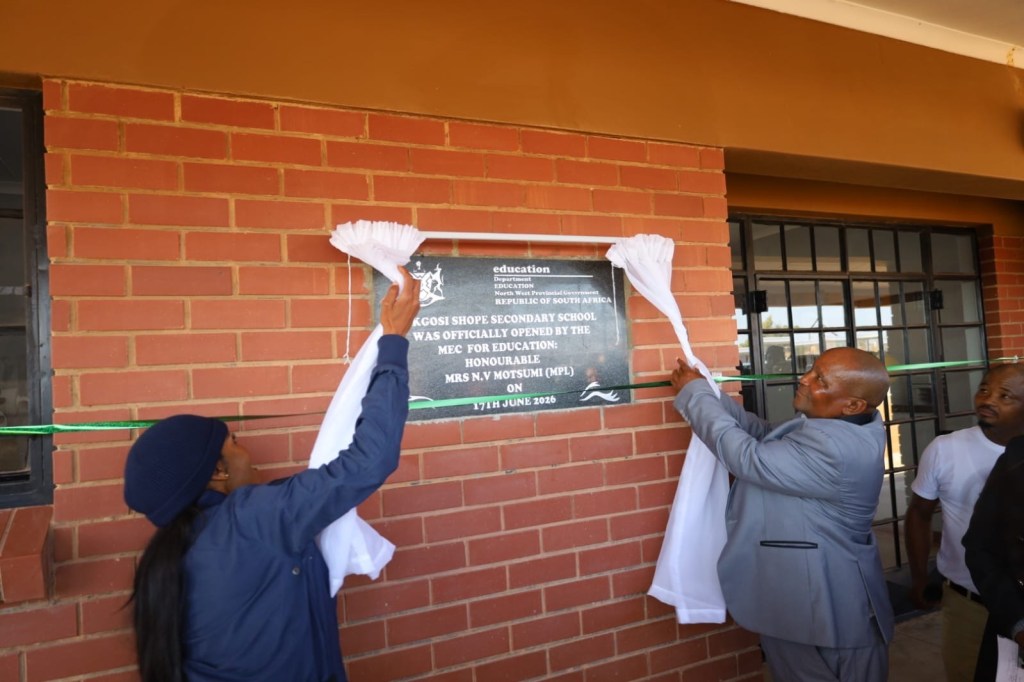
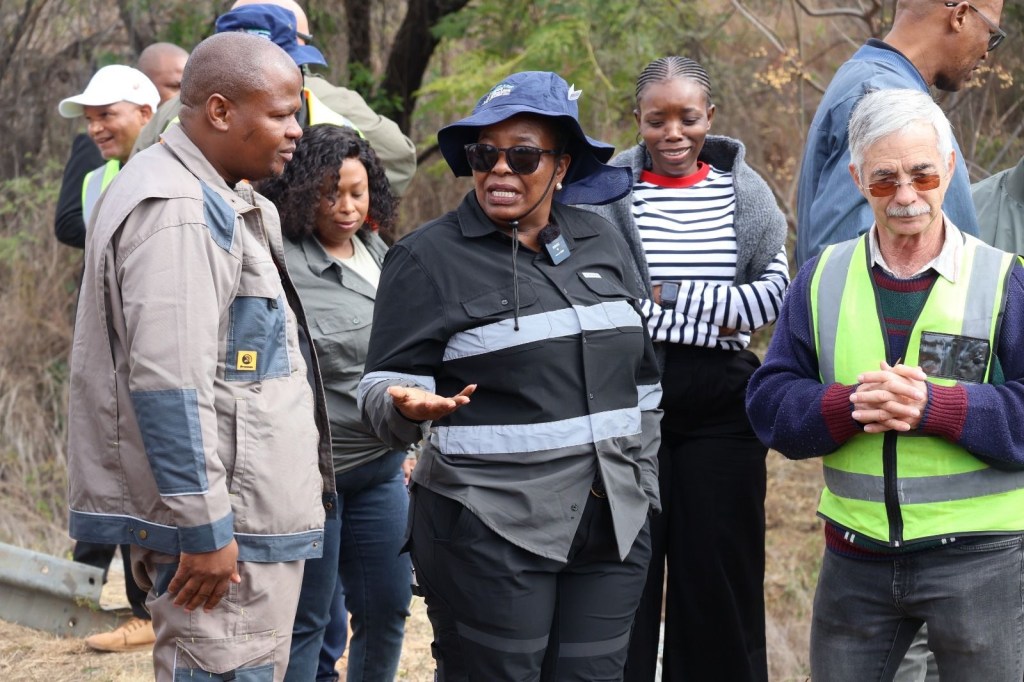
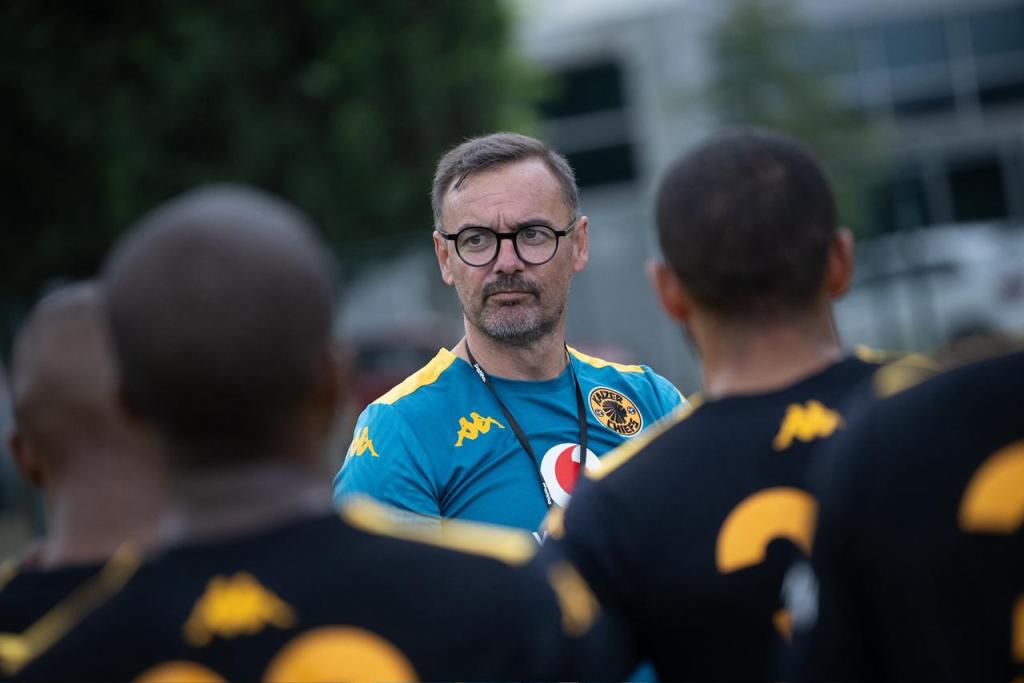
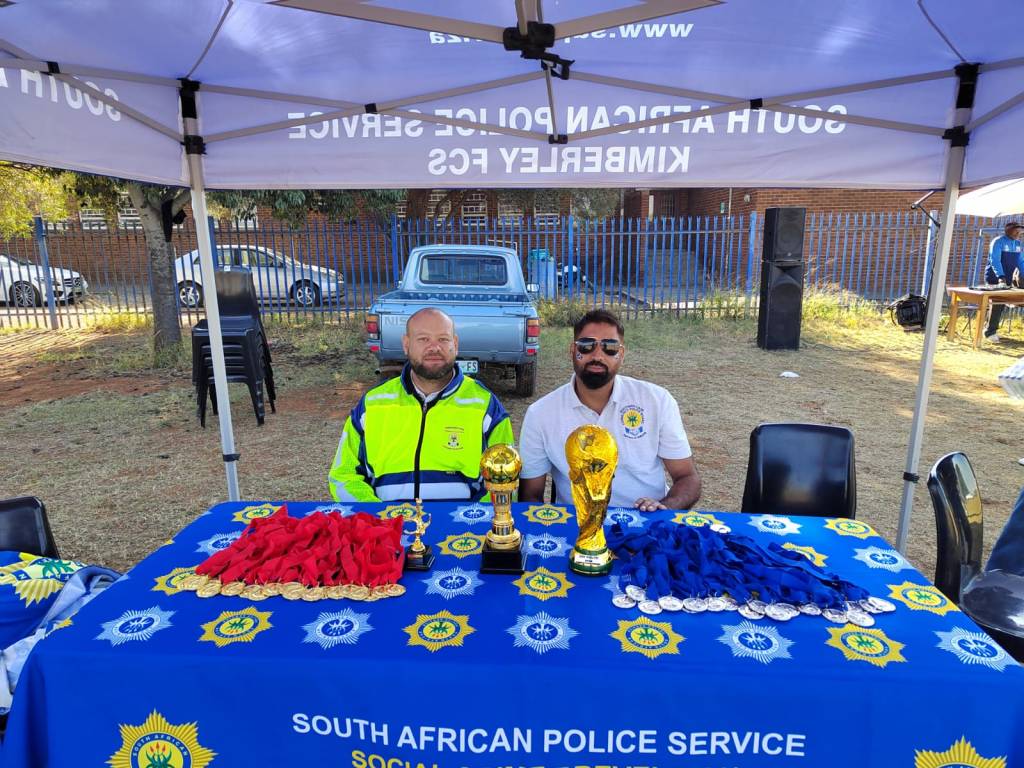
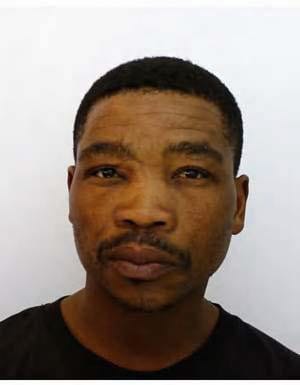

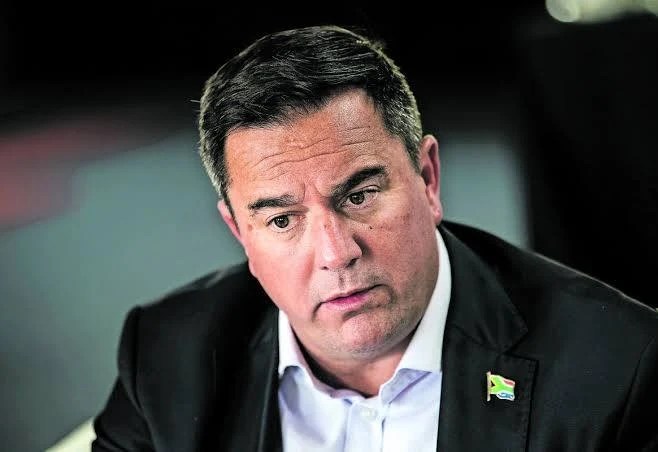




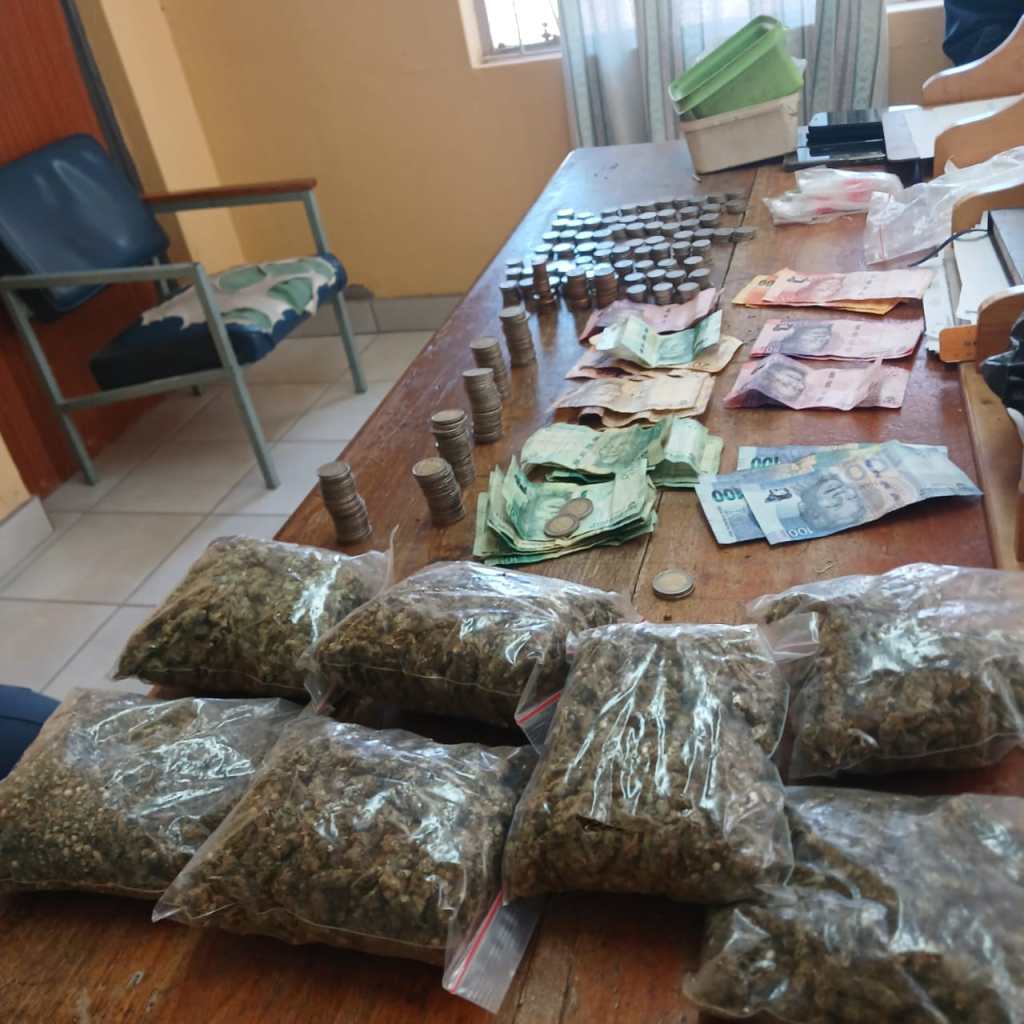
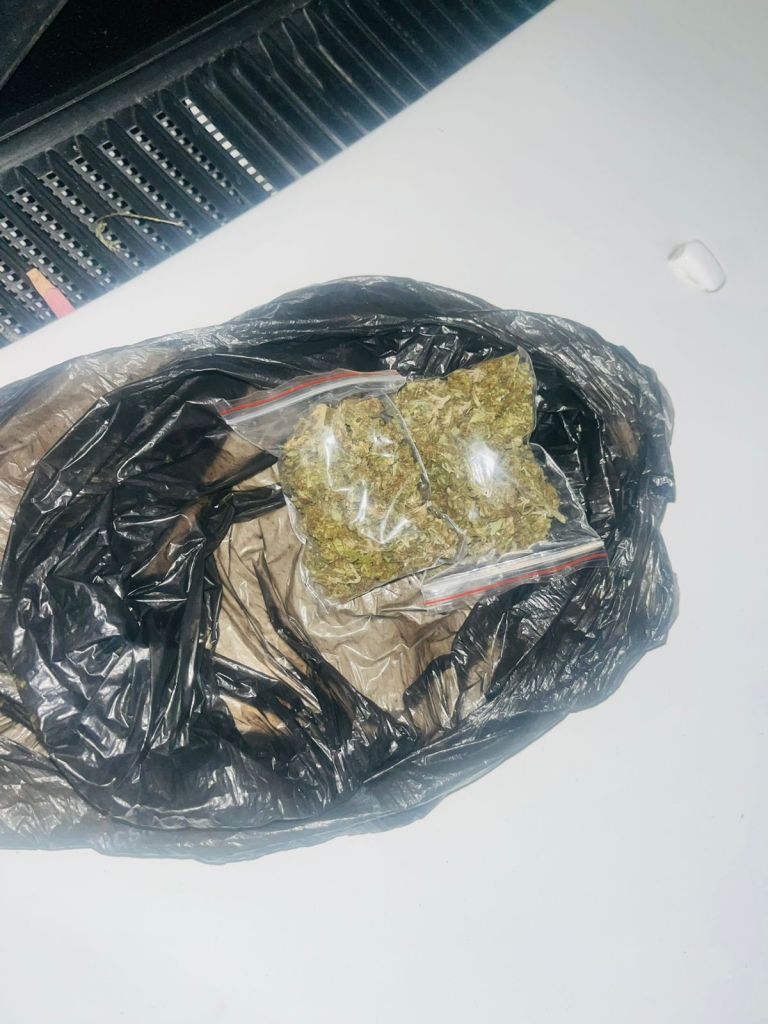
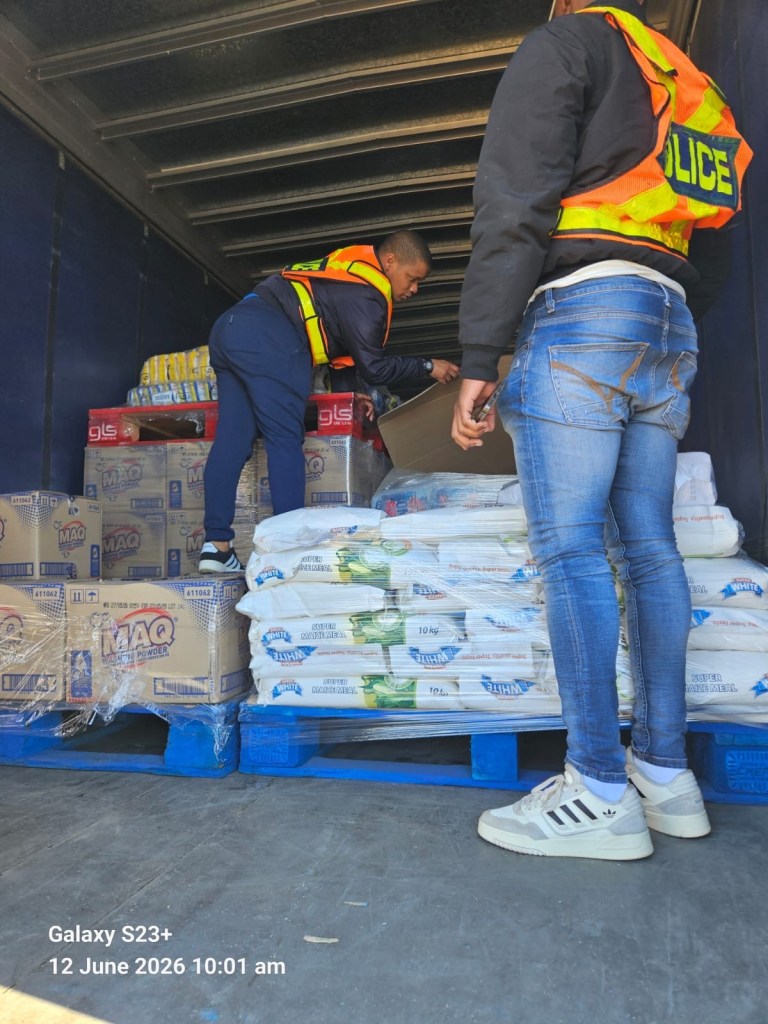
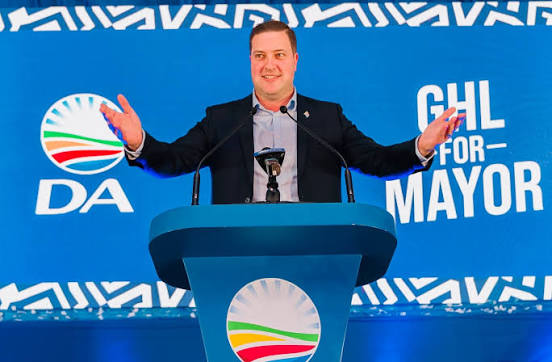

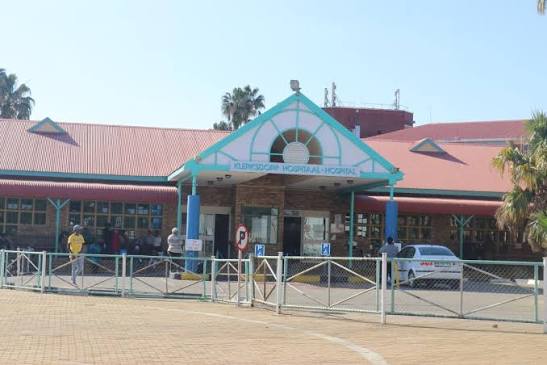




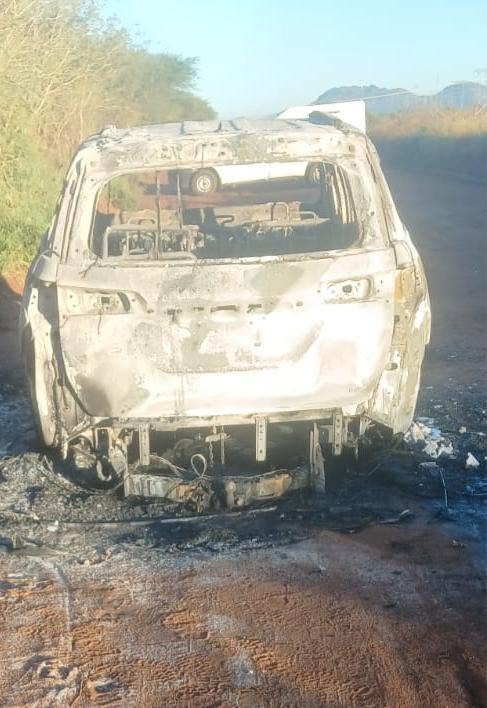
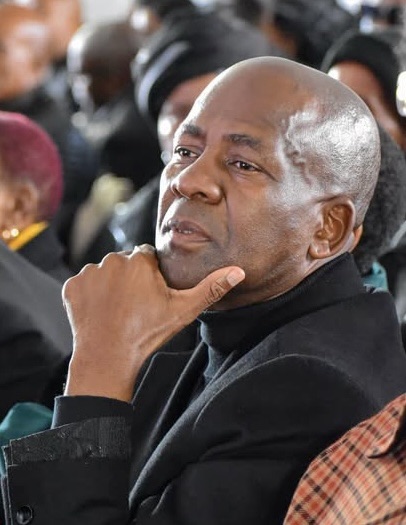
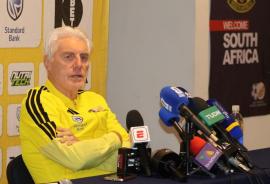
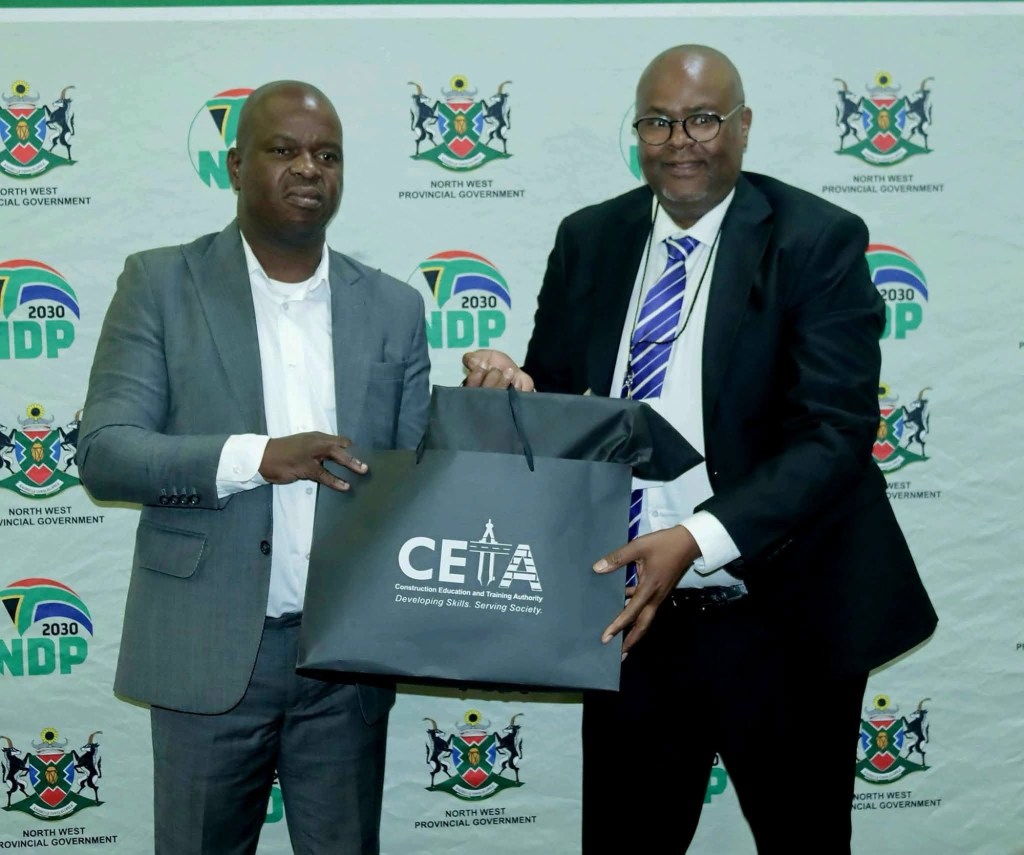
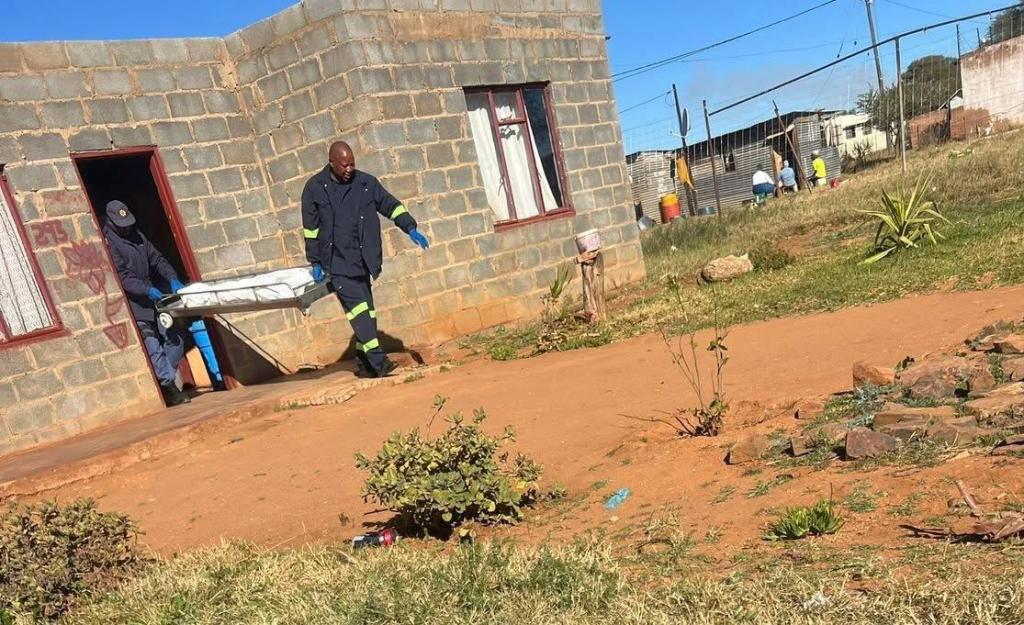
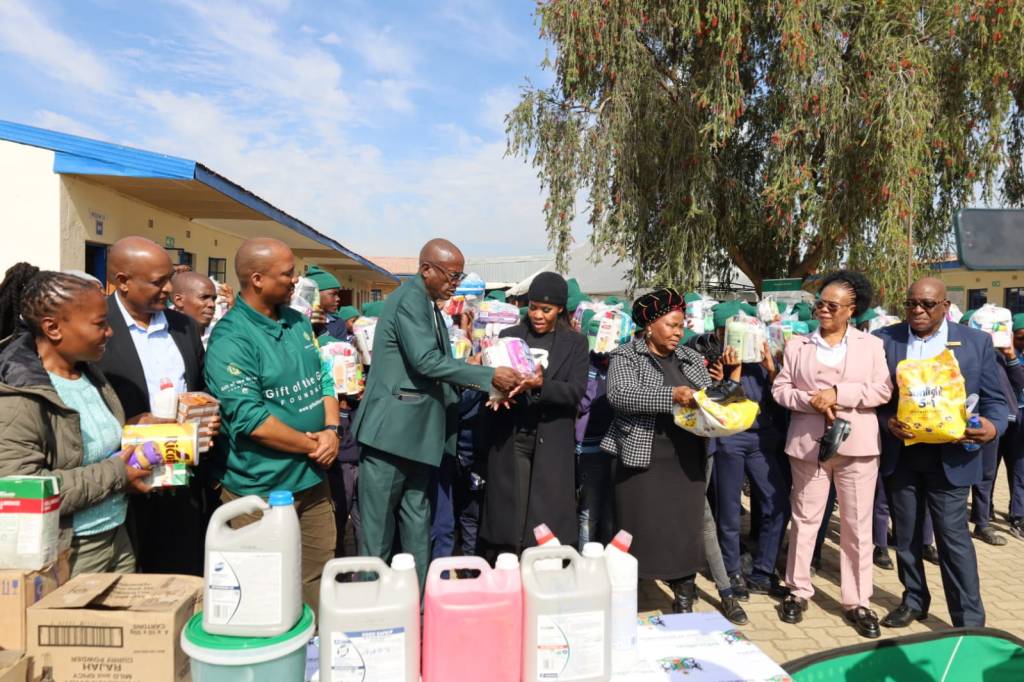
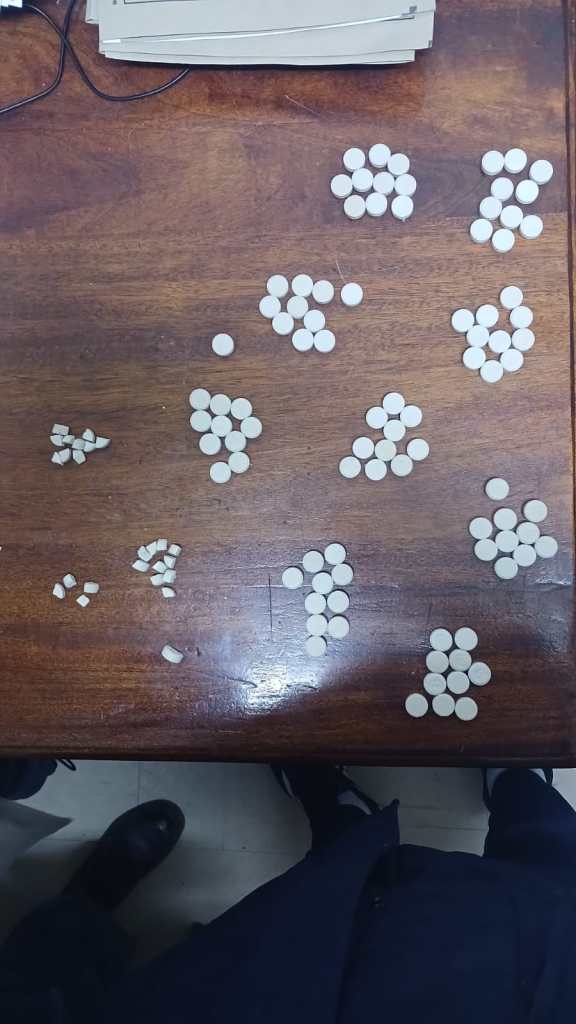




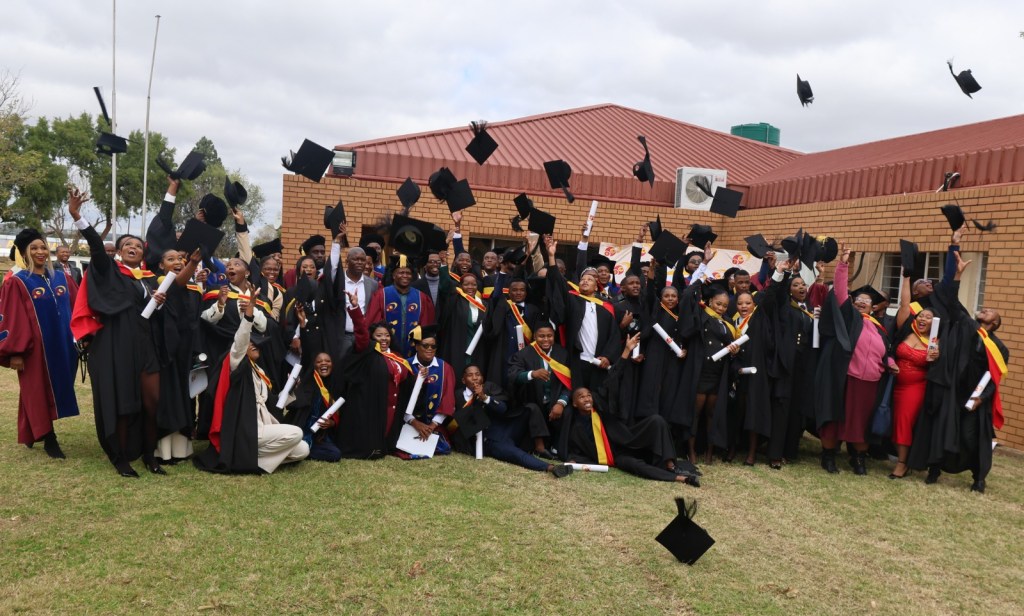
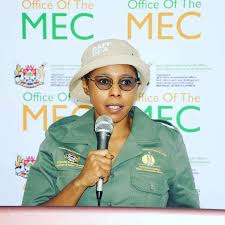
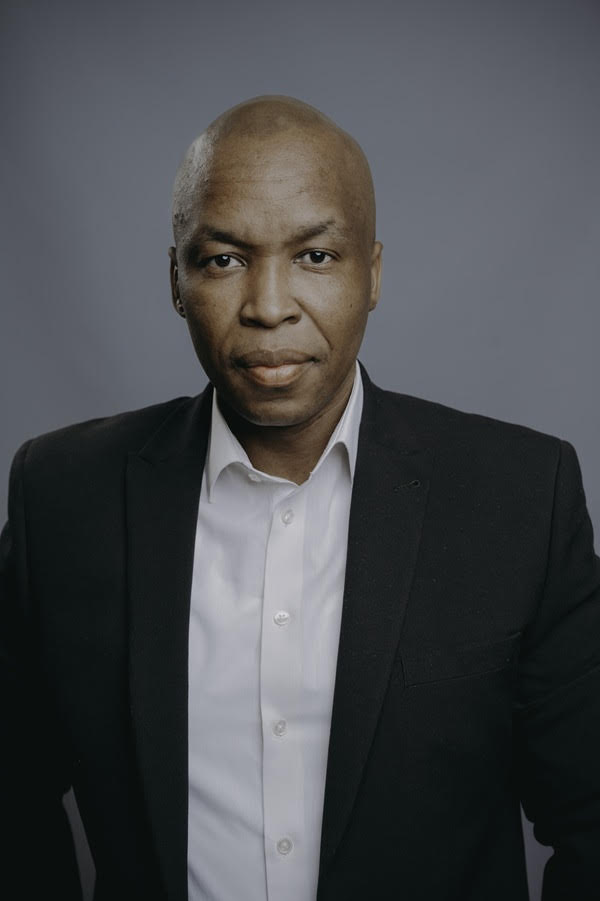

 The Guardian