9 JUNE 2025- In the damp, grassy slopes of the KwaZulu-Natal Midlands, an unassuming amphibian has leapt into the scientific spotlight. Named Breviceps batrachophiliorum – Latin for ‘frog-loving people’ – this newly described species of rain frog is a triumph of taxonomy and a compelling example of the intersection of citizen science and academic rigour. Professor Louis du Preez of the North-West University (NWU) led the discovery, drawing on his long and distinguished career as a herpetologist.
The breakthrough came thanks to three passionate frog enthusiasts: Nick Evans, Dylan Leonard, and Cormack Price. They set out on a mission to spot and document every frog in Prof du Preez’s field guide. One night after some heavy rain, they set out to find the elusive Bilbo’s rain frog (Breviceps bagginsi), named after Bilbo Baggins, from The Lord of the Rings, who also lived in a hole in the ground. When they found what they believed to be Bilbo’s rain frog, they sent a photograph and an accompanying call recording to Prof du Preez.
“There was something curious,” recalls Prof du Preez. “I thought they had mixed up the images and the sounds. But when I pointed this out, they sent a video, and that’s when I realised that we were looking at a new species.”
What followed was a meticulous analysis process, detailed in the African Journal of Herpetology. The team employed an integrative approach, blending morphology, genetics and, crucially, bioacoustics. The frog’s call, a vital identifier in such a visually cryptic genus, diverged sharply from those of its closest relatives. Genetically, it showed a 7.5% difference in mitochondrial 16S rRNA compared to Breviceps verrucosus. This clear signal indicated that this frog was not only new to science but also worthy of its own species status.
Though short-limbed, round-bodied, and earth-toned, B. batrachophobia is far from plain. Its eardrum is unusually visible, a rare feature among its kin, and the position of its mouth sets it apart from B. verrucosus. In acoustic terms, its calls are shorter, faster, and more frequent than those of similar species. Such subtleties are crucial in frog courtship and therefore in species recognition.
Prof du Preez and his co-authors, E.C. Netherlands and L.R. Minter also stresses the importance of this discovery for conservation. With an occupancy area of just 1 108 km², this frog’s habitat is largely restricted to three types of mistbelt grassland in the KwaZulu-Natal Midlands. Although some populations occur within protected areas such as the Clairmont Nature Reserve, the species’ limited range raises concerns about its vulnerability to habitat destruction and climate change.
This tale is about more than just taxonomy. It is also a cautionary tale about the fragility of ecological knowledge. The new frog was once misidentified as Bilbo’s rain frog
(Breviceps bagginsi), a mistake with far-reaching consequences. The description of the new species means that Bilbo’s rain frog is now only known to exist in one population in a highly transformed area, and as a result its conservation status jumped to Critically Endangered. With the correction in place, the true distribution range of both species can be assessed more accurately. This is a small but vital victory for conservation science.
Importantly, the discovery highlights a broader trend. Since 2000, over a third of Breviceps species have been described, a surge largely driven by advances in molecular biology and acoustic analysis. South Africa, with its rich and still unfolding biodiversity, is at the heart of this amphibian renaissance.
Ultimately, Breviceps batrachophiliorum is more than just another new name in a long list. It serves as a reminder that discovery still hides in plain sight, and that with enough passion, patience and a bit of rain, even the quietest calls can be heard.
9 June 2025 – The police in the Northern Cape have expressed a serious concern over the increasing number of violent crimes committed using dangerous weapons—particularly knives. In response, the police are appealing to the public to implement safety measures to help reduce these incidents.
The Northern Cape police spokesperson, Lieutenant Colonel Sergio Kock said people should understand that knives, bottlenecks, and any sharp objects can be classified as dangerous weapons capable of causing serious or even fatal injuries. Kock said tavern owners are urged to employ additional security personnel and conduct thorough searches on patrons entering their premises.
He further said substance abuse and excessive alcohol consumption often contribute to violent altercations in bars and taverns, where sharp objects may be used to injure, rob, rape, or kill. Kock added that people should always handle knives with extreme care.
“Never touch the blade edge and adhere strictly to safety precautions. Store knives securely, out of reach of children and unauthorized individuals. Never use knives as toys or for improper purposes.
“Adhere to all applicable laws, by-laws, and regulations regarding the possession and use of weapons. Unlawful behaviour or possession may result in fines or imprisonment,” he said.
Kock said people should always treat every firearm as if it is loaded, regardless of what they are told. He said people should never handle a firearm without proper training and legal authorization.
“Ensure that you possess a valid firearm license. Wear appropriate personal protective equipment (e.g., bulletproof vests) when handling firearms. Always point firearms in a safe direction—away from people, pets, or valuables.
“Keep your finger off the trigger until you are ready to fire. Firearms must be stored securely and kept out of reach of children and unauthorized individuals. Be alert to the risk of theft or robbery,” said Kock.
He said people should never handle or carry a firearm if they are under the influence of alcohol, medication, or drugs. Kock said they should also avoid bringing firearms to establishments, where alcohol is consumed, such as taverns or nightclubs.
“Remember, safety is everyone’s responsibility.
Always prioritize caution and follow proper procedures when handling dangerous weapons, as misuse can have fatal consequences.
“The SAPS urges all community members to assist in reducing violent crimes. If you see something, say something,” he said.
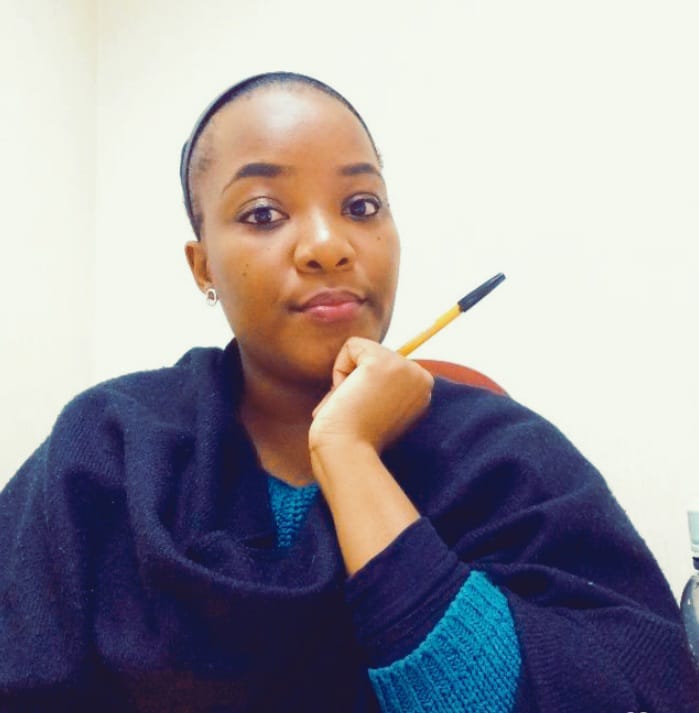
Picture: The North West Social Development communicator, Lerato Digoamaje/Supplied
By LERATO DIGOAMAJE
9 June 2025- As crime against children surges, the need for deliberate action by all members of the society has never been more urgent. With the trend of recent high-profile cases referencing denominations of child abuse, neglect, and exploitation, such as the kidnapping of Joshlin Smith in the Western Cape and the tragic case of seven-year-old Cwecwe from the Eastern Cape, the national conversation around child protection remains critical to the cause.
Even more jarring is the reality that South Africa, it has been explicitly established that a child goes missing every five hours. These are not just headlines, but a reflection of a ‘pandemic’ that cuts across communities.
If we are serious about rescuing vulnerable children from bleak futures, there is one critical question to tackle: How do we rewrite their destinies?
The uncomfortable truth, often overlooked, is that the answer begins at home. When we grew up in those plastic years, we usually heard parents saying, it takes a village to raise a child.
Every person on the street was a care giver and would do anything in their power to protect children. Today, people tend to turn a blind eye, precisely because it not their child that is being abused.
We have reached a point where we have produced bystanders and videographers of Gender-Based Violence. This is a sign of a broken moral fibre of our society.
The contribution of the family unit in child protection cannot be overstated. It is within these homes that children must feel safe, loved, and valued. Yet, many South African families are tackling with immense pressures, cultural norms, socioeconomic challenges, and, at times, the very systems meant to protect them.
In this climate, government initiatives such as the recent outreach at Thari Primary School in the
Moses Kotane Local Municipality, led by the North West Department of Social Development, remain crucial in addressing child safety and protection. However, no government programme, however well-intentioned, can displace the primary responsibility of parents and guardians in ensuring the role of nurturing potential within each child; a potential that, when left unattended, risks causing more harm and vulnerability for these children.
Recent community-led initiatives, such as the reintroduction of the Chommy programme
in Moses Kotane Local Municipality, highlight the importance of collective action. These
programmes focus on creating safe spaces for children to share their concerns and experiences, as well as providing educational tools that enable them to understand how their rights work and be in better positions to recognise potential threats.
These kind of government initiatives still play a progressive role, but they must be supported by a
cultural shift within many homes. The home should be the first line of defense against
abuse, where children are allowed to speak out with the knowledge that their concerns
will be heard and acted upon.
In South Africa, particularly in the North West province, a total of 751 cases were reported by the South African Police Services (SAPS) in the latest statistics report during the 2024/2025 fiscal year, with sexual abuse and deliberate neglect being primed the most prevalent forms of child abuse.
During this year’s launch of the Child
Protection Week, led by Minister Sisisi Tolashe in the Free State, she revealed an additional worrying load of statistics, that hail that some 26 852 cases were reported during the 2024/2025 fiscal year, with physical abuse playing secondary an approximate of 3965 cases being recorded.
However, the challenges facing families are not just about creating awareness, they are deeply tied to cultural practices and historical contexts linked to our homes. Take, for example, the normalised use of corporal punishment, which is still prevalent across many households, predominantly in rural areas.
Studies have shown that corporal punishment can have severe long-term psychological effects on children, increasing their vulnerability to violence. Additionally, cultural norms that promote emotional detachment between parents and children contribute to a sense of isolation and vulnerability.
These practices not only perpetuate abuse but also hinder open communication, one of the most effective tools in child protection. In homes where children feel emotionally supported, they are more likely to report abuse, neglect, or any form of violence they might be experiencing.
Parents or guardians who foster an environment of open dialogue can spot signs of distress, which could then in turn make the difference between a child’ safety and continued suffering. Emotional literacy does not require financial resources; it requires commitment, time, and the willingness to change cultural practices that have done more harm than good.
In tandem with these grassroots efforts, government initiatives like the North West
Department of Social Development’s intervention in Bojanala Platinum District have proven to play a progressive role in offering a safe refuge for vulnerable children. The department oversees several Child and Youth Care Centers (CYCCs) across the province, which provide key services to children in distressing circumstances.
These centers, including Care 2be Kind, Rustenburg Child and Youth Care Centre, and SOS Children’s Village, offer more than just temporary refuge. They provide educational support, life skills training, and health screening, all of which interplay integral components in the long-term recovery of children who have experienced abuse, neglect or exploitation.
Moreover, the CYCCs in the region, such as the Reamogetswe Child and Youth Care Centre, do not only serve as safe refuges for children between the ages of 0 (the age of infancy) until 18, but also get to provide progressive educational foundations for their future. These centers collaborate closely with local schools and the department’s social
welfare services to ensure that every child in their care receives proper schooling, health checks, and consistent psychosocial support. In many ways, these centres represent the physical manifestation of what families need to become: nurturing, protective spaces where children can heal and thrive.
How do we ensure that the progressive work being done by the government and non-
profit organisations is supported by a parallel cultural shift in family structures?
Government can and does intervene, but the real change begins when each of us takes
responsibility for our children’s safety. The recent case of a newborn baby abandoned in
Boitumelong, Bloemhof, now under government care entities, indicates just how urgent
our collective action should be. Every step, from government interventions to local
community outreach, contributes to preventing these heart-wrenching stories from
becoming the norm.
Parents must understand that child protection is not just the responsibility of schools,
social workers, or the police—it starts with them. Simple actions like engaging in open
communication, fostering empathy, and creating safe emotional spaces can go a long
way in ensuring that children grow up in environments that respect their dignity and
protect their rights. While interventions like the Thari Primary School outreach and the
work done in our CYCCs are essential, we must not forget that the home is where the
foundation for child safety begins.
Let us focus on taking concrete actions within our own homes to foster a culture of
respect, understanding, and care. It starts with the decisions we make everyday as
parents, caregivers, and community members. Through a contingent collective effort, at
home, in our schools, and through government programmes, the urgent call to intervene
on this “pandemic” is a plausible cause.
(Note: Lerato Digoamaje is Communicator in the Department of Social Development based in
Bojanala District Office and the content of the article remain the views of the author. The Guardian Newspaper and its associates do not agree nor disagree with the content written.)
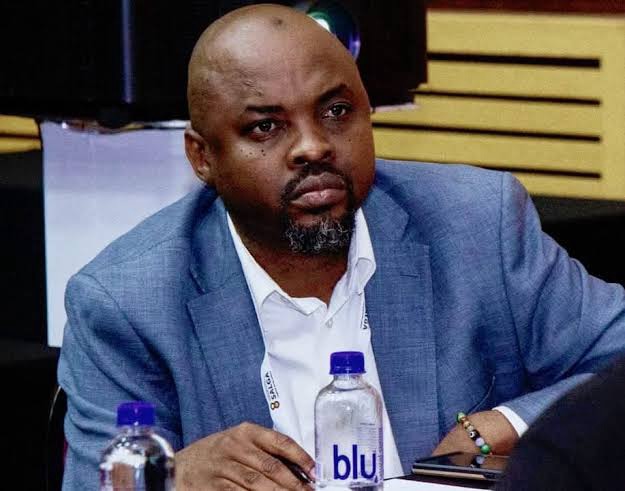
Picture: The executive mayor of Matlosana Local Municipality, Fikile Mahlope
By KEDIBONE MOLAETSI
9 June 2025- The North West Provincial Legislature’s Standing Committee on Provincial Public Accounts (SCOPA) has condemned the Matlosana Local Municipality for incurring unauthorised expenditure of R1.1 billion during the 2023/24 financial year. The criticism follows SCOPA’s public hearing on audit outcomes in line with the Municipal Finance Management Act.
The SCOPA Chairperson, Smuts Matshe said the municipality has regressed from an unqualified to a qualified audit opinion due to poor internal controls, over-reliance on consultants and irregularities in contract management, including on the provision of paraffin to communities.
Matshe said the municipality is currently under financial recovery intervention, but recorded irregular expenditure of R249 million, as well as fruitless and wasteful expenditure of R105 million with R1.1 billion in unauthorized expenditure.
“The committee also noted the high level of litigation initiated against the municipality. Even now Matlosana is sitting with a Municipal Manager and a Chief Financial Officer, who are alleged to have been arrested and are facing criminal charges that emanate from their responsibilities in the municipality.
“The council has failed to exercise oversight and enforce accountability, especially regarding post-audit action plans and Section 71 financial reports.
“Matlosana has failed to investigate duplicate payments. SCOPA has directed that a written report be submitted within seven days by the municipality to cover amongst others, progress in implementing post-audit action plans, funding strategies for unfunded budgets and investigation into material irregularities and UIF&W,” he said.
Matshe said this includes implementation of consequence management, functionality and effectiveness of oversight and audit committee.
Meanwhile, the executive mayor of Matlosana Local Municipality, Fikile Mahlope said: “Around R800 million of the unauthorised spending stems from non-cash debt impairments due to poor revenue collection.
“The municipality has introduced a UIF&W reduction strategy to address the issue.”
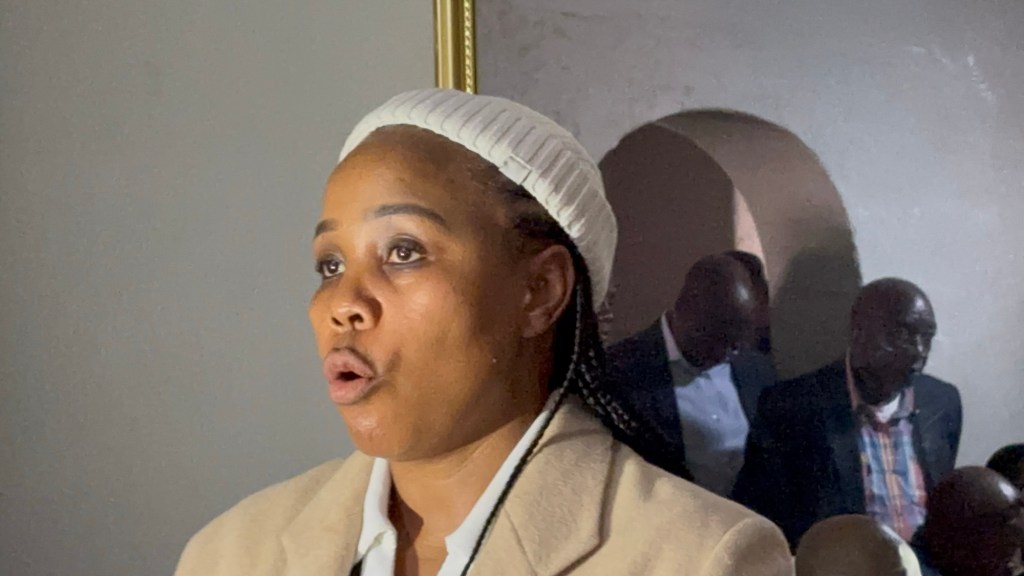
Picture: The acting North West Premier, Kenetswe Mosenogi
By REGINALD KANYANE
9 June 2025- The North West Provincial Legislature’s Portfolio Committee on Premier and Finance has expressed deep disappointment in the North West Provincial Government’s failure to ensure gender equity in senior appointments. This comes after the startling revelation that, of the 12 Heads of Department (HoDs) across the province, only one woman, Kgomotso Mahlobo (Human Settlements), has been appointed.
The Chairperson of the Committee, Nathan Oliphant said this emerged during an oversight meeting with the Office of the Premier on employment equity in senior management, particularly among Deputy Directors-General (DDGs) and HoDs.
“It is unacceptable that a government led by a majority female Executive Council—six women out of ten—has failed to reflect that same commitment in its top administrative appointments.
“Furthermore, of the 11 DDG posts who are not HODs in departments, 8 are filled, 6 by African men, 1 by an African woman, and 1 by an Indian man. Three positions remain vacant,” he said.
Oliphant further said this clearly fails to represent the demographics of the province and shows a disturbing lack of urgency in transforming public sector leadership. He added that the committee highlighted that these are the same vacancies where the Office of the Premier failed to adhere and comply with recruitment requirements, which emphasized prioritizing women and persons with disabilities.
“We warn that appointing more men would contradict both the South African Constitution and the province’s own equity commitments. This unlawful deviation from the advertised equity priorities would not only be a step backward, but a betrayal of efforts to redress historic imbalances.
“The committee has called for a full employment equity implementation report from all departments and urged the Office of the Premier to reconsider appointments that have not yet been finalized,” said Oliphant.
He said there’s a serious concern that transformation has stalled. Oliphant said transparency is appreciated, but action is now required to correct this imbalance.
“The committee will convene a special follow-up meeting once the requested reports are received,” he said.
Meanwhile, the acting North West Premier, Kenetswe Mosenogi acknowledged the disappointing report and noted that three HoD vacancies remain unfilled.
9 June 2025- The North West Provincial Legislature’s Portfolio Committee has lambasted the North West Department of Community Safety and Transport Management over illegal occupation of GD Monthioa Airport. The committee said there is a gross dereliction of duty.
The Chairperson of the Committee, Freddy Sonakile said the illegal occupation led to the revenue losses. Sonakile said it was revealed during a recent committee meeting that two aviation schools—Fly Paramount Aviation Academy and African Union Aviation Academy (AUAA)—had been operating at the airport without valid lease agreements.
“Despite being aware, the department failed to intervene. The previous airport operator had collected rent until 2023, when the matter was referred to the National Treasury for investigation.
“Although a new leasing process was initiated in 2024, no lease was ever finalized, and both schools continued operating unlawfully. Fly Paramount was only removed following an oversight visit by the North West MEC for Community Safety and Transport Management, Wessels Morweng, while AUAA remains on-site under curatorship due to the illness of its director,” he said.
Sonakile further said this is a textbook case of failure to safeguard public assets. He added that millions in potential revenue were lost, while the department looked away.
“The failure to act has not only compromised state property, but also undermined trust in governance.
“During the meeting, the Director of Paramount Aviation confirmed her academy had tried repeatedly to finalize a lease since November 2024, with no response from the department,” said Sonakile.
He said the Director of Paramount Aviation, has since undertaken to submit all correspondence to the committee. Sonakile said the committee has now given the department seven days to submit a consequence management report on implicated officials, providing a detailed account of lost revenue, unpaid utilities and infrastructure damage.
“Present a revenue recovery plan and submit the National Treasury report and refer the matter to the SAPS Commercial Crimes Unit for investigation into any possible irregular or unauthorized payments.
“The committee also flagged the unresolved issue of two foreign nationals—identified only as William and Paul—previously claimed by the department to be instructors at Paramount,” he said.
Sonakile said the school’s Director denied any association, stating the individuals were linked to AUAA. He said the matter has been referred to Home Affairs and SAPS to verify their identities, legal status, and whereabouts.
“This was one of the most frustrating oversight visits we’ve endured. Had the department been transparent from the start, this matter would have long been resolved.
“This committee will not tolerate sleeping on duty,” he said.
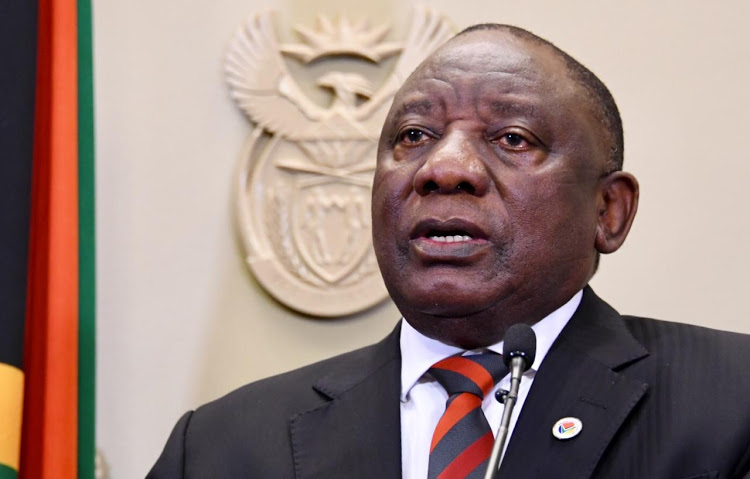
9 June 2025- The Republic of South Africa (RSA) president, Cyril Ramaphosa said this year marks the 70th anniversary of the Freedom Charter. Ramaphosa said they are reminded of its aspiration that the people shall share in the country’s wealth.
He further said the constitution reflects the promise they made to one another and to future generations to redress the injustices of the past and realise the full potential of the country. Ramaphosa added that, for this reason, they reaffirm that Broad-Based Black Economic Empowerment (BBBEE) is not just a policy choice but a constitutional imperative.
“In recent months, the world has entered what many now term a “poly-crisis” where global conflict, economic stagnation, mistrust in institutions and environmental degradation are challenging even the most resilient of nations. These are conditions affecting many countries and South Africa is no exception. It is now imperative that we use the lessons that we have learned over the past three decades to make our empowerment policies more meaningful.
“Now is not the time to abandon the measures that we have put in place to drive transformation. To the contrary, it is the time to move forward with greater purpose and raise our ambition. Since 1994 we have built a robust legislative framework to advance the transformation of our economy, anchored in the Broad-Based Black Economic Empowerment Act and the Employment Equity Act,” he said.
Ramphosa said the progress they have made is undeniable. He said they have seen real changes in ownership patterns, including more businesses owned by women.
“We have seen changes in management control, enterprise development and skills development. According to Statistics SA, between 2006 and 2023, black African households experienced real income growth of 46%, coloured households of 29% and Indian households of 19%. Despite this progress, the average income of white households is still nearly five times higher than that of black African households. This is the gulf we must close through deliberate and sustained efforts to expand opportunity.
“Transformation is not a favour. It is a necessity. The inequality of our past continues to shape the lives of millions of black South Africans. And yet many who continue to benefit from the legacy of exclusion continue to decry black economic empowerment and are even challenging it in our courts,” said Ramaphosa.
He said they must dispense with the false notion that they must make a choice between growth and transformation. Ramaphosa said economic growth without transformation entrenches exclusion and transformation without growth is unsustainable.
“We also need to challenge the notion that broad-based black economic empowerment is a cost to the economy. It is actually an investment in the economy. Our task is to ensure that we pursue both growth and transformation in concert, with more vigour and with greater effect. That is why we continue to strengthen initiatives like the Black Industrialists Programme, which is building successful, competitive, black-owned enterprises in manufacturing and other sectors.
“That is why we are establishing the Transformation Fund to support a new wave of emerging, innovative businesses that can create work opportunities for our people. We must open the levers of funding for black-owned businesses. There is a critical need for black-owned businesses to access funding on affordable terms,” he said.
Ramaphosa said, while much of this funding should come from the development finance institutions, it is the private banks that have the resources to make the greatest impact. He said they need to review their lending practices to unleash the potential of black business.
“Through mechanisms like the Public Procurement Act, we must ensure that businesses owned by women, young people and persons with disabilities enjoy expanding opportunities. We must ensure that transformation reaches into every sector, whether it is mining, construction, energy, IT or agriculture.
“The private sector should use their supply chains far more deliberately to empower many more black-owned businesses, not just to improve their BBBEE scorecard, but to grow and diversify their supplier base. As we develop our infrastructure, grow new industries like green hydrogen and electric vehicles, and drive localisation and reindustrialisation, we will continue to ensure that transformation is our guiding principle,” said Ramphosa.
He said the transformation they seek is not about ticking boxes. Ramaphosa said it is about building a resilient, just economy for generations to come.
“I call on all South Africans and in particular the private sector, to recommit to economic transformation. Let us move forward with greater urgency, unity and ambition, to build a South Africa where all can truly share in the country’s wealth,” he said.
9 Seetebosigo 2025- Kgetsi ya polao kgatlhanong le monna (35) wa kwa motseng wa Majaneng, gaufi le Taung, e buseditswe morago ke kgotlhatshekelo ya Taung mo letsatsing la gompieno. Se, se tla morago ga gore mosekisi mo kgetsi e, a se tlhagelele kwa kgotlhatshekelo ka ntlheng ya go lwala.
Motseothata Nelson Seoleseng, yo o kwa ntlo-lefitshwaneng, o latofadiwa ka go tlhaba tsala ya gagwe, Mosimanegape Adam van Wyk (31) ka thiba go fitlhelela a tlhokafala.
Tiragalo e, e diragetse dikgwedi di le mmalwa kwa motseng wa Majaneng. Go begwa fa Seoleseng ga mmogo le moswi, ba ne ba le mmogo, mme ba ile ba ya kwa gabo molatofadiwa ko ba fitlhetseng morwa rragwe molatofadiwa ana le lekgarebe la gagwe.
Mongwe wa bo maratahelele wa tlhalosa: “Go begwa fa go ile ga runya kgakgauthano ya mafoko ma gareng ga molatofadiwa le monnawe. Sebakwa sa kgakgauthano ke gore, molatofadiwa one a botsa monnawe gore goreng a tlisa lekgarebe kwa gagabo.
“Ene ya re fa e ya matsogong, tsala ya molatofadiwa, van Wyk, one a leka go tsiriganya. Fela go begwa fa molatofadiwa a ne a mo tsogela kgatlhanong, mme a mo tsatsanka ka thipa. Go ya ka dipego, moswi one a rwalelwa kwa bookelong jwa sedika jwa Taung, fela one a balelelwa le badimo mo letsatsing le le latelang.”
Go begwa fa kgetsi ya polao ene ya bulwa, mme mmelaelwa one a tshwarwa.
Kgabagage, sebueledi sa sepodisi mo sedikeng sa Dr Ruth Segomotsi Mompati, Warrant Officer Tryphosa van Rooyen are, kgetsi ya polao e butswe. Kgetsi e buseditswe morago go fitlha kgwedi ya Phukwi e tlhola matsatsi a le supa.
9 June 2025- A man (35) sentenced to 10 years imprisonment by the Victoria West Regional Court for house breaking and theft. This comes after the police in Victoria West, responded to house breaking incidents reported on 25 June and 13 July 2023, in Noorder Street, Victoria West.
The Northern Cape police spokesperson, Sergeant Molefi Shemane said at the time, the identity of the suspect was unknown. Shemane said the members of the SAPS Local Criminal Record Centre attended the scenes and collected vital forensic evidence, which subsequently linked the accused, Ricardo Fritz to the crime scenes.
“Fritz, currently serving a sentence on an unrelated matter, was recently convicted and sentenced,” he said.
Meanwhile, the Pixley Ka Seme District Police Commissioner, Major General Nomana Mtukushe, commended Detective Sergeant Basil Abrahams from the Victoria West Detectives for his diligent investigation. Mtukushe also reassured the community that the South African Police Service remains committed to utilizing all available resources in the ongoing fight against crime.
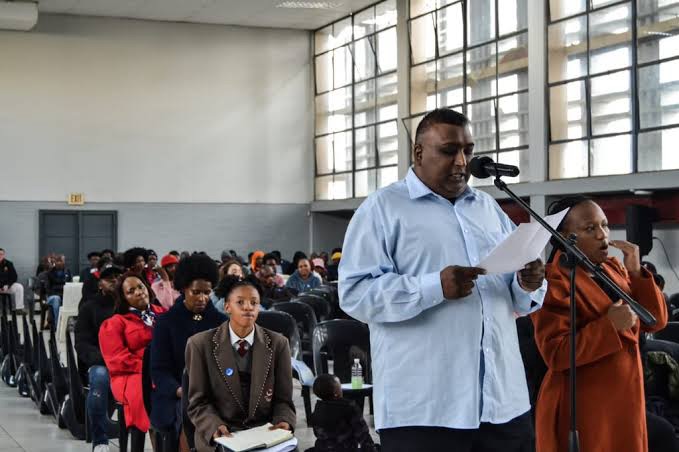
9 June 2025- The Portfolio Committee on Home Affairs said following the successful hosting of public hearings in Mpumalanga, it will now hold public hearings on the Marriage Bill [B43—2023] in the North West province this coming weekend. The Committee said the hearings in North West, is the fifth provincial public participation process following similar sessions in Gauteng, KwaZulu-Natal, Eastern Cape and Mpumalanga.
The Chairperson of the Committee, Mosa Chabane said the public participation process is the cornerstone of South Africa’s constitutional democracy as enshrined in Section 59 of the Constitution of the Republic of South Africa, which compels the National Assembly to facilitate public involvement in the legislative and other processes of the Assembly and its committees. Chabane said the committee intends to ensure that the process is inclusive and far-reaching and that a conducive platform is created for people to make meaningful submissions on the Bill.
“To ensure meaningful public engagement, Parliament, through its public education unit, undertook an extensive public education process to ensure that participants make informed and qualitative submissions that will add value to the Bill.
“The Bill seeks to rationalise the marriage laws of various types of marriages and introduces a single marriage statute to replace the three existing marriage laws governing civil marriages, customary marriages and civil unions,” he said.
Chabane further said the Bill seeks to recognise all marriages irrespective of religion, custom, sexual orientation or other beliefs. He added that all marriages, concluded either following the tenets of any custom, religion or belief, will, therefore, be recognised.
“The Bill will further ensure that all marriages concluded before the commencement of the Bill continue to be recognised as marriages under South African law.
“Also, the Bill seeks to prohibit marriages involving children in line with South Africa’s obligations as it relates to international human rights instruments, as well as the protection of children,” said Chabane.
He said in this regard, the Bill introduces a requirement that both prospective spouses must be 18 years or older. Chabane said the Bill introduces offences and penalties for entering or concluding marriages with minors, as well as solemnising such marriages.
“The Bill will further ensure that the Minister of Home Affairs can designate marriage officers from all sectors of society, including traditional leadership, and sets out the requirements for designation as a marriage officer.
“In Mpumalanga, participants expressed their hope for the Bill and that the Bill will bring an end to the practice of Ukuthwala. The majority of participants suggested that a maximum of five years imprisonment for anyone who is forced to enter into a marriage that they do not freely consent to, will serve as a necessary deterrent against anyone inclined to the practice Ukuthwala,” he said.
Chabane said there was also a call that the Bill must include specific requirements and waiting time for any foreign national wishing to marry a South African. He said this argument was based on concerns that there is currently an increased abuse of the marriage provision for foreign nationals to regularise their stay in the country.
“The call for a defined timeline, according to participants, was necessary for the department to ascertain the bona fides of the marriage. There was also unanimous support for the proposal that the legal age to enter into marriage be increased.
“Despite this support, many proposed that the Bill increase the age limit to at least 21, which many viewed it as an adequate and mature age to enter into marriage and withstand the rigours of marriage,” said Chabane.
He said the engagements in North West allow the residents of the province to make their views heard on the Bill. Chabane said the committee would like to urge residents of the North West to come in their numbers to contribute to the Bill.
“The drafters of the Constitution envisioned laws that are reflective of the general views of all South Africans, and this is an incredible opportunity for the people to contribute to the Bill,” he said.
Details of the NW hearings are as follows:
DATE:2025
DISTRICT MUNICIPALITY
LOCAL MUNICIPALITY
Proposed venue
TIME
Friday 13 June
Bojanala Platinum District Municipality
Rustenburg Local Municipality Rustenburg
Civic Centre – City Hall
10:00 – 15:00
Saturday 14 June
Ngaka Modiri Molema District
Mahikeng Local Municipality (Mahikeng)
Auditorium at the NW Legislature
10:00 – 15:00
Sunday 15 June
Dr Ruth Segomotsi Mompati District
Naledi Local Municipality (Vryburg)
Banquet Hall (will require 16 tables and VIP toilet)




 The Guardian