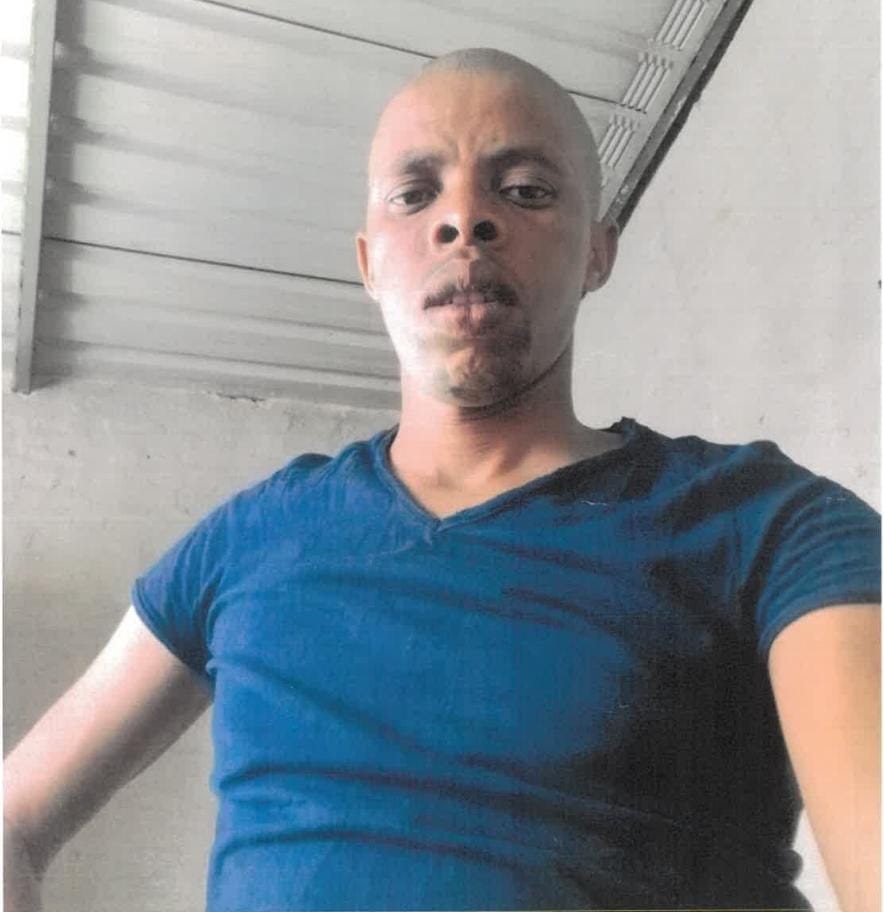
Picture: Dr Ndiviwe Mphothulo/Facebook
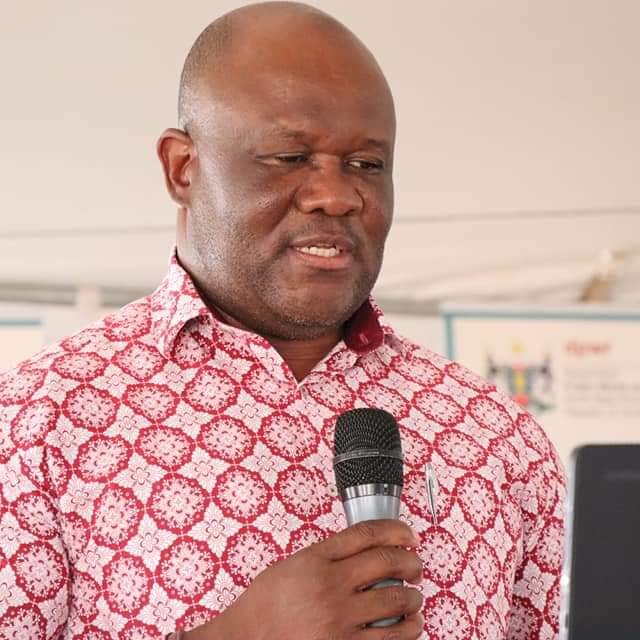
By NDIVIWE MPHOTHULO
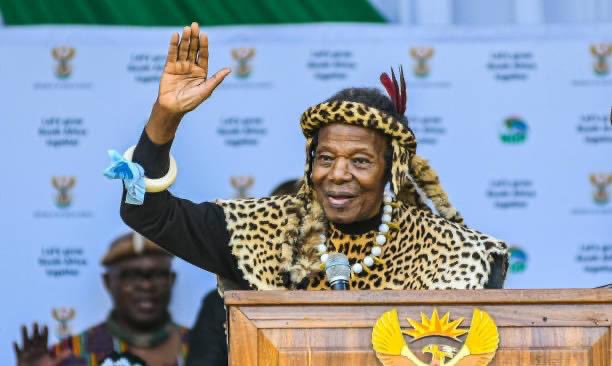
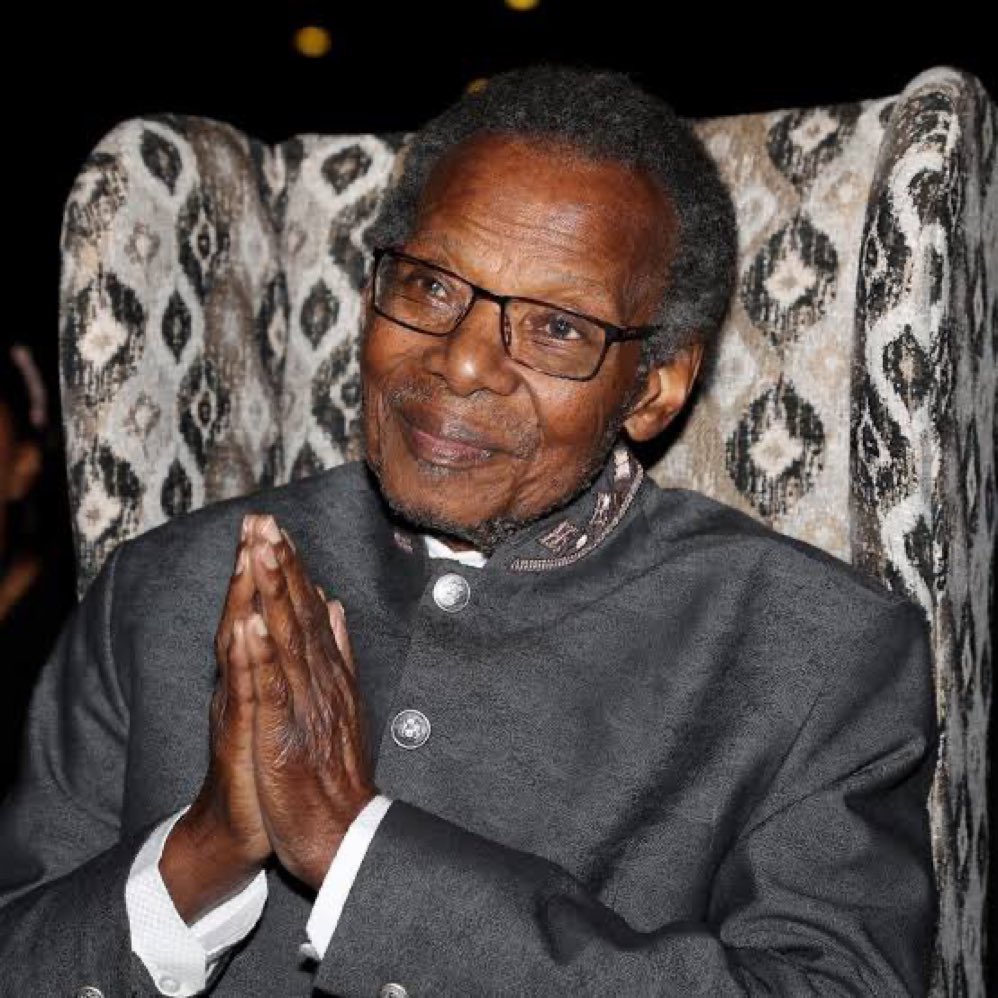
There are mixed reactions to the legacy of Prince Mangosuthu Buthelezi and a challenge is that as Africans, we were taught from childhood not to speak ill of the dead. However, it is extremely challenging to speak of the Prince in a positive light for some of us who were victims of the 90s violence.
Fearing to depart from the teachings I got as a child, I will not speak ill of the dead. We are a magnanimous people. I would rather use this opportunity to reflect on the heroic efforts and struggles of my forebears and struggle heroes, reflect on whether their sacrifices and struggles were worth it or were in vain?
In the 90s, I was a teenager and surrounded by despair, poverty, and violence. My mother was an activist and a community leader, so I got to understand the concepts and workings of the political struggle and the revolution. In the 80s as a child, I had witnessed the brutality of the police in the community of Jabavu and how my mother would be dragged in her night dress by the police and she would say “Ndiyekeni ndinxibe” (at least let me get dressed) as they dragged her to a police van or minibus roaring outside our yard.
I remember how my sister-in-law was kicked in the abdomen, whilst pregnant by a young Afrikaner man because they were looking for a certain Rapu and Moss as someone had told them that, my mother was seen with Rapu and Moss early on the day. They unleashed terror in our small house, kicking us and spraying teargas at a 12-year-old me.
There are many such traumatic memories I have as a child of activist parent and I promised revenge when I grow old. In the early 90s, I remember my mother being distraught about a bright young lawyer from Jabulani, who was blown by a parcel bomb, and how the young lawyer had assisted many activists.
He had a young wife and kids. My mother was in tears and I knew this was deep as she had seen so much trauma in her life, so this death and murder should have been very traumatic for her to break her like this. She cried openly in front of us, children. The young lawyer was a certain Bheki Mlangeni, which I learned from comrades in COSAS and the Youth League.
In the 90s, there was violence between hostel dwellers and township residents, and my township, White City Jabavu in Soweto, was not spared. By the age of 15, one had to be a member of Self Defence Units (SDUs) or stand aside and watch as his community was butchered. In 1991 or 1992, our bus from Orlando Stadium which was from an MK rally was attacked near Dube Hostel.
I came close to death before my 16th birthday, but we ran side-by-side to houses in Dube, next to Maponya Shops with comrade Felix Phetolo Malapane. I escaped through a generous and brave woman directing me to a “Coal Box”. I heard the footsteps of angry men saying “uphelele kuphi lomfana” from the dark coal box with tears flowing down my face.
I wondered if comrade Malapane survived (He was frail and slower than me shame) as I ran back home to White City Jabavu, with my ANC YL t-shirt in my hand to hide it, lest I met the men from hostels on my way home. We buried our young schoolmates and we had regular funerals as people we killed. They killed infants, the disabled, the old, dogs, and chickens, they did not spare any breathing species.
Having grown up in a household of activists, I was taught the history of resistance and I thought I had a responsibility to contribute to resistance. We had Khoi, San, and Xhosa warriors repelling Bartholomew Dias in as early 1400s, and laying their lives in defence of their land and livestock in the 1650s.
We had Frontier wars lasting 100 years between the AmaXhosa fighters and the British. We had Kings Moshoeshoe, Dingane, Cetshwayo, Sekhukhune, Sobhuza, Chiefs Mankuroane, Galeshewe, and many others who led the struggle against colonialism. So, it was our turn to contribute and face death.
My great great grandfather Mpotulo KaMlondleni, whose surname I carry, was shot multiple times at Cofimvaba in the 1890s by Germans and the English we are told, through oral history. He was in a battle to defend the land and stop the colonialists from going to Queenstown. He mounted a fight alongside his brother, Bolowana KaMlondleni, to the extent that people in that village, Zigudu village, named the local forest after him “Mpotulo forest”.
So, as we reflect on whatever legacy is contested of Prince Buthelezi, my reflection is not only how we fought battles with his people from IFP and the deaths of thousands of innocent people. I dare to say, that the struggle was not in vain, but it is a dream deferred as evidenced by us not having our land, people living in poverty, and our minerals in the hands of private citizens not benefiting the majority and the political elite failing to reverse the legacy with all the recourses and time in their disposal.
I see daily the poverty of the people and my patients in the clinics I work in Johannesburg South, I see the despair of young people when I go home to White City Jabavu and I avoid visiting Kasi as it seems I’m thriving in the sea of hopelessness. The death of the Prince for me, is a reminder of the determination, heroic sacrifices, and efforts of our people to be free and makes me wonder how people with a responsibility to right the wrongs of the past, people who have an opportunity to turn tears of our people to tears of joy, to fruits of freedom and prosperity, people with political power! how do you fail to carry this mandate with pride and love?
How dare you are not diligent? Franz Fanon, in his book “The Wretched of the Earth”, says post-colonial governments have a tendency not to deliver to their people. Post-colonial governments have not proven him wrong. So, when my TB patient says “Dr how do I take these tablets on an empty stomach? The sense of shame overwhelms me that in the land of plenty, my patients don’t have a meal.
As a perpetual optimist, I believe the efforts of my forebears were not in vain. The revenge against the harassment of my mother and murder of my community is through serving the community and wiping their tears and being part of efforts to make policy changes and advocate for the marginalised.
(Dr Mphothulo holds an MB CHB degree, a Diploma in HIV management from the Colleges of Medicine, a Master of Public Health Degree, and a Master of Business Leadership (MBL). Currently a Board member of the Southern African HIV Clinicians Society, a Representative of Rural Doctors Association of Southern Africa (RuDASA) in North West Province, and was South African 2017 Rural Health Conference organizing committee chairperson and conference chairperson)
Note: (Taung DailyNews’s opinion section examines high-level issues that matter to readers, mixing evergreen debates with newsy topics related to politics and policy, health, education, the economy, and more. All content is edited, fact-checked and subject to TDN’s editorial guidelines. So, the opinion raised here does not represent TDN or its Associates but remains of the author.