By OBAKENG MAJE
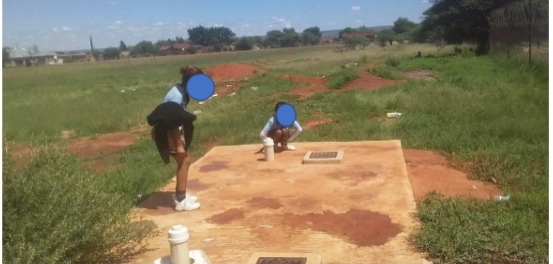
Poor infrastructure in various schools across the North West province continues to be a disturbing factor. This comes after learners at Seile Primary School in Lokaleng village near Taung, were forced to use the nearest bushes to relieve themselves because the ablution toilets are locked.
According to parents of learners who refused to be named for fear of reprisal, this has been taking place for more than a month.
“There is no proper hygiene practiced by the school even though we are in the fight against COVID-19 pandemic. The ablution facilities are locked, and this forces learners to go and relieve themselves in the nearest bushes.
“We urge the school to ensure that there are proper toilets. Learners’ privacy is compromised as others are forced to and squat in a bushy area within the school, which is littered with faeces,” said a parent.
The North West Department of Education spokesperson, Elias Malindi said: “The departmental officials visited the school and their findings were that the toilets were indeed locked due to the unavailability of water.
“So, infrastructure officials will be visiting the school to establish what might be the challenge with the borehole. Seile Primary is a big school and able to maintain from the 10% budget that is allocated to them annually by the department.”
Malindi further said the new principal will intervene during these school holidays to ensure that water is restored in the school toilets.
Recently, the department appeared before the South African Human Rights Commission (SAHRC) to respond to poor infrastructure experienced at 60 schools in the province. According to the commission’s Office Manager in the North West, Osmond Mngomezulu, they have probed the matter after receiving complaints.
Mngomezulu said even though they initially received complaints about six schools, their scope was widened when they identified more schools during their assessment and monitoring.
“Complaints raised allegations concerning deteriorating buildings, cracked walls, cracked floor, broken window, falling ceilings, exposed electricity wires, shortage of classrooms, overcrowding in classrooms, asbestos roofing and structures, lack of access to sufficient water and basic sanitation.
“Learners in those schools with damaged roofing do not attend classes when it rains. Some schools such as Setshwarapelo Primary School in Mokgareng village, Taung were closed due to infrastructure challenges resulting in learners being transferred to another school pending the delivery of mobile classrooms,” he said.
He said they have discovered that some schools have overcrowding and that negatively impacts teaching and learning. Mngomezulu said teachers are unable to perform their duties diligently and respond to the individual needs of learners due to overcrowding.
“We also visited Promosa Secondary School in Ikageng Township, near Potchefstroom and the pass rate was very low. However, I am not sure if that was caused by the infrastructure challenges.
“We had consultative engagements with the National Association of School Governing Bodies (NASGB) and Naptosa, which is a teachers’ labour union, where it presented additional schools including those in Madibeng that still use pit latrines,” said Mngomezulu.
Malindi who was cagey said the department appeared before the commission to present its side of the story and respond to the complaints raised by it. He said the department outlined how it is going to address issues raised in short and long-term periods.”
In 2019, R150 million allocations meant for infrastructure grants, were returned to the national treasury after not being unused by the department.

