NWU join forces with SASCOC ahead of 2021 Tokyo Olympics


By KEDIBONE MOLAETSI

North West University (NWU) has partnered with the South African Sports Confederation and Olympic Committee (SASCOC) to support Team South Africa as a preferred provider in its preparation for the 2021 Tokyo Olympics and Paralympic Games.

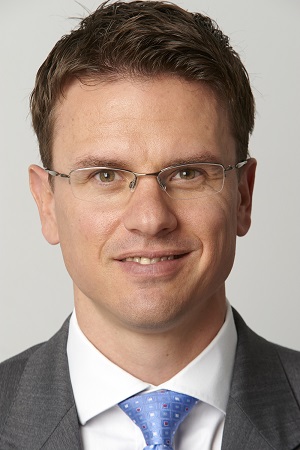
According to the NWU’s Centre for Health and Human Performance (CHHP) director, Prof Pieter Kruger, some of the services that will be offered include assistance with the understanding of the mechanics of anxiety and why the brain struggles with uncertainty.

Kruger said the centre has grown from strength to strength since its recent inception.

“The focus of the CHHP is on rendering comprehensive, quality, evidence-based services in the field of health and human performance, underpinned by neuroscience and cutting-edge technology.

“We will also help the athletes in exploring psychological challenges to Covid-19 that may affect their well-being and subsequently their performance. The principles we will be discussing are very much relevant to well-being, and to performance under pressure,” he said.

Kruger added that the latest achievement confirms the fact that they are a dynamic centre with serious intent and operating at the highest level. He said the CHHP will offer mental health screening and advisory services to all athletes, with a focus on improving well-being and performance.

“The process will commence during the first week in February and will allow all athletes the opportunity to attend the programme over the following two months. The CHHP was created at the NWU after combining the expertise of the Institute of Psychology and Wellbeing, the Institute for Sport Science and Development and the Institute for Biokinetics.

“Although the main aim would initially be to provide the athletes with evidence-based tools and techniques specifically for dealing with anxiety and uncertainty, the skills are equally applicable in a high-performance competition environment,” said Kruger.

He further said they will also be discussing the application of specific functional behaviours to support the athletes during difficult times. Kruger said the athletes will undergo a brief psychometric assessment prior to the commencement of the programme.

“This will allow the CHHP clinicians to adjust the programme content to the specific needs of the athlete. The CHHP will host nine workshop programmes to ensure that the entire 219-strong Olympic and Paralympic group gets an opportunity to undergo the training.

“The athletes will also be supplied with additional resources and referral pathways for those individuals who feel that they need more support after the programme. We look forward to collaborating with SASCOC and to supporting our Olympic and Paralympic squads to maximise their performance at the Games later in the year,” he said.

Kruger highlighted that the CHHP has an exceptional team of practitioners across the spectrum of health and human performance and he trust that they will be able to make a meaningful difference to the athletes.

The forthcoming Olympic Games are scheduled to take place in July of this year in Tokyo, Japan.
taungdailynews@gmail.com

‘A ban on the sale of alcohol lifted’


By STAFF REPORTER

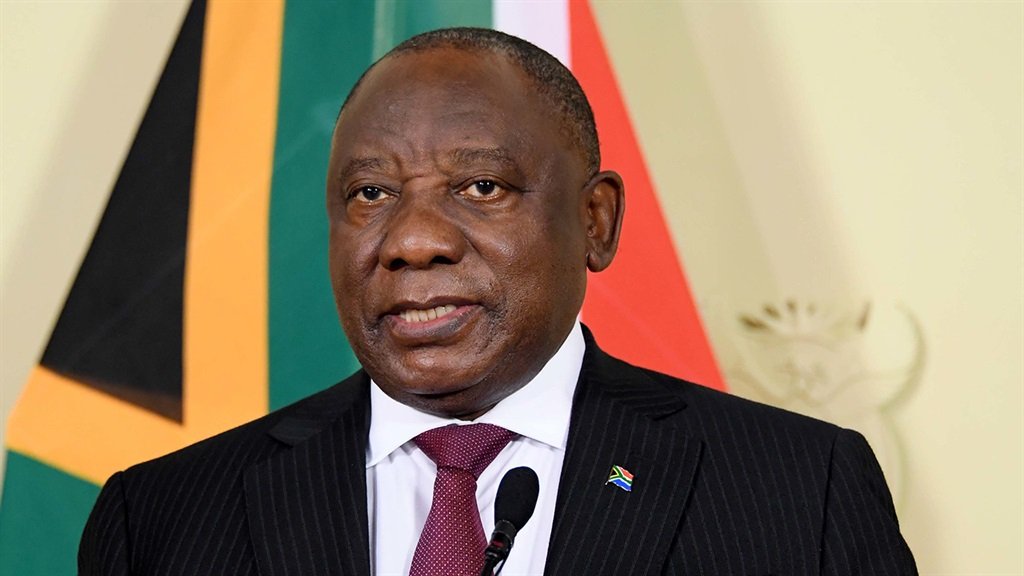
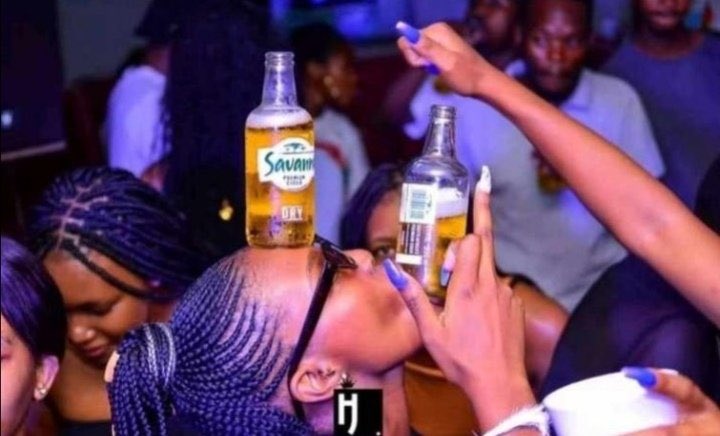
Tavern owners and revellers breathe ‘a sigh of relief’ after President Cyril Ramaphosa relaxed the adjusted lockdown regulations. Ramaphosa announced that the sale of alcohol will be allowed from Monday to Thursday during a ‘family meeting’ address last night. 

“We have recorded our lowest daily increase in infections since the beginning of December last year. In fact, the average rate of new infections has been steadily coming down over the last three weeks, indicating that we have now passed the peak of the second wave.

“In the past seven days, the daily average of new infections was around 5,500, compared to just over 10,000 infections in the previous seven days. In other words, the average number of daily new infections has come down to almost half of what it was,” he said.

Ramaphosa further said the number of hospital admissions has also been falling. He said at the peak of the second wave, the country has recorded over 2,300 hospital admissions in a day.

“This had fallen to 295 hospital admissions by the 29th of January. While all the indicators are heading in the right direction, we are still experiencing relatively high rates of transmission.

“We are pleased that across the country, most people are adhering to the restrictions we have had to impose and are diligently observing the basic health measures needed to prevent infection,” said Ramaphosa.

He said they are acutely aware that these restrictions have negatively affected businesses and threatened jobs in the hospitality, tourism, and related industries. 

Ramaphosa added that they are determined that such restrictions should not continue any longer than is absolutely necessary to contain the pandemic and minimise the loss of life.

“It is for this reason that we will continue to work with business and labour in these sectors to revive businesses and restore jobs both in the immediate and longer-term. Over the last few days, we have assessed the state of the pandemic.

“We have sought the advice of experts and consulted with representatives of provincial and local government and traditional leaders. With the clear decline in new infections, hospital admissions, and deaths, Cabinet has decided to steadily ease a number of restrictions under adjusted Level 3,” he said.

Ramaphosa said the hours of the curfew will now be from 11pm to 4am and establishments will need to close by 10pm to allow their customers and staff to return home by curfew. He said Faith-based gatherings will be permitted, subject to health protocols.

“Such gatherings may not exceed 50 people for indoor venues and 100 persons for outdoor venues. Where the venue is too small to accommodate these numbers with appropriate social distancing, then no more than 50% of the capacity of the venue may be used.

“Public places such as beaches, dams, rivers, parks, and public swimming pools will be reopened subject to health protocols. Restrictions on the sale of alcohol will be eased. The sale of alcohol by licensed premises for off-site consumption will be permitted from Mondays to Thursdays, from 10am to 6pm,” said Ramaphosa.

He said duty-free shops, registered wineries, wine farms, micro-breweries and micro-distilleries will be able to sell alcohol for off-site consumption during their normal licensed operating hours.

Ramaphosa added that these changes have been made possible by the significant reduction in COVID-19 hospital admissions across all provinces, reducing the pressure on beds and hospital personnel. He urged people to drink responsibly so that they do not experience a spike in trauma cases or an increase in infections due to reckless behaviour.

taungdailynews@gmail.com

‘South Africa begins a new chapter in the struggle against COVID-19’


By REGINALD KANYANE

President Cyril Ramaphosa said the country has begun a new chapter in the struggle against the coronavirus. This comes after the country received its first consignment of COVID-19 vaccines. Ramaphosa said the consignment consisting of one million doses of the Covishield vaccine produced by the Serum Institute in India. 

This vaccine was developed by the pharmaceutical company AstraZeneca together with the University of Oxford and South Africa was one of the countries where clinical trials were held to assess the drug’s efficacy.

“The arrival of these vaccines contains the promise that we can turn the tide on this disease that has caused so much devastation and hardship in our country and across the world.

“The speed and scale at which new vaccines have been developed is unprecedented in human history and represents the monumental progress that humanity can achieve in the face of a common threat,” he said.

Ramaphosa added that South Africa has been part of this incredible journey by the global community in search of a lasting solution to the COVID-19 pandemic. He further thanked all South Africans who participated in various vaccines trials on a voluntary basis and commend all the researchers who led these studies.

“Many of our researchers have participated in ground-breaking research in the field of genomics providing new information about the virus leading to the identification of the variant known as 501Y.V2.

“Now that the vaccines have arrived, they will be tested at the National Control Laboratory to confirm that their integrity has been maintained during transportation,” said Ramaphosa.

He said after testing, they will be distributed across the country to thousands of healthcare workers who every day put their own lives at risk to save others. 

Ramaphosa said in accordance with a phased rollout strategy, all healthcare workers in the public and private sectors will be prioritised for vaccination.

“Provincial health departments have submitted their distribution plans and we have identified about 200 facilities to which the vaccines can be distributed. 

“Once we have completed the vaccination of healthcare workers, we will move to Phase 2 of the national vaccine strategy, which will include essential workers, people over 60 years, people with co-morbidities as well as those living in places such as nursing homes and hostels,” he said.

Ramaphosa said in Phase 3, they will extend the vaccination programme to the rest of the adult population. He said they know many of South Africans will be asking the all-important question on how they will access the vaccine if they fall in the categories to which he has have referred,” he said.

“The Department of Health has developed an Electronic Vaccine Data System to streamline the vaccine registration and rollout process. This will allow us to capture all relevant data associated with the administration of the vaccine,” said Ramaphosa.

He said: “This system allows a person to make an appointment as soon as they qualify for a vaccination at the vaccine centre closest to them. The system will record vaccinations as they are administered.

“As I said during my previous address, we are sourcing our vaccines from a number of suppliers. In addition to the 1 million Covishield doses that we received today, we expect another 500,000 doses from the Serum Institute of India to arrive later in February.”

Ramaphosa said they have secured 12 million doses in total from the global COVAX facility, which has indicated that it will release approximately 2 million doses by March. He further said they have secured 9 million vaccine doses from Johnson & Johnson, commencing with delivery in the second quarter.

“Johnson & Johnson has contracted Aspen, one of our pharmaceutical companies, to manufacture these vaccines in South Africa. In addition, Pfizer has committed 20 million vaccine doses commencing with deliveries in the second quarter.

“We are in advanced negotiations with manufacturers to secure additional supplies. South Africa will also receive an allocation of vaccine doses through the African Union, which has been negotiating with manufacturers to secure vaccines for the entire continent on a pooled basis,” said Ramaphosa.

taungdailynews@gmail.com