By REGINALD KANYANE
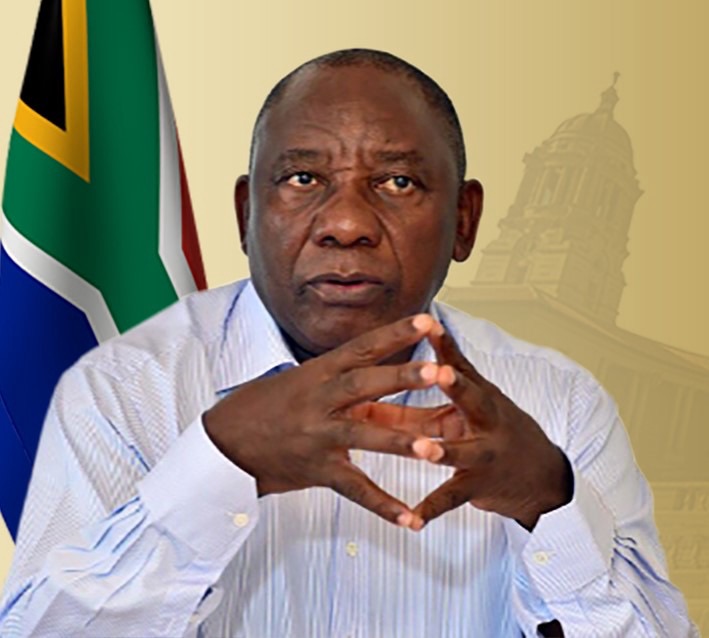
10 November 2025- The Republic of South Africa (RSA) president, Cyril Ramaphiosa said when South Africa took over the Presidency of the G20 nearly a year ago, they identified ‘equality’ as one of the pillars of their term, alongside ‘solidarity’ and ‘sustainability’. Ramaphosa said they chose to focus on equality because it is essential to a more stable, prosperous and sustainable world.
He further said if the G20 is going to live up to its mission to tackle pressing global economic and financial issues, then it needs to significantly and urgently reduce inequality. Ramaphosa added that Global wealth inequality is stark.
“The world’s richest 10% account for more than half of total global income. These people account for a staggering 74% of total global wealth. The human cost of these inequalities is severe; one in four people globally face moderate or severe food insecurity. These huge disparities are unjust and consign billions of people to poverty.
“Inequality is bad for everyone. It makes the world less stable, fuels conflict and undermines democracy. It stifles inclusive economic growth and prosperity. It is for this reason that I appointed an Extraordinary Committee of Independent Experts on Global Inequality as part of our G20 Presidency,” he said.
Ramaphosa said the committee, chaired by Nobel Laureate and renowned economist Joseph Stiglitz, handed over its findings last week. He said the report examines the causes and consequences of inequality and makes important recommendations.
“Given the importance of equality to sustaining global growth, to social and political stability and to the legitimacy of international economic governance, it is good that at South Africa’s instance this will be the first time the G20 will focus on this matter and consider an in-depth report of this nature.
“As Stiglitz and his fellow experts note, the features of the international economy that perpetuate inequality “can be significantly affected by the decisions and actions of G20 governments”. They say that inequality is a policy choice. It is therefore critical that G20 leaders recognise the extent and urgency of the problem of inequality – and that they act accordingly,” said Ramaphosa.
He said among the committee’s recommendations is the establishment of a permanent international body on inequality. Ramphosa said this would be modelled along the lines of the Intergovernmental Panel on Climate Change (IPCC), which has been vital to global efforts to measure and respond to the climate emergency.
“In a similar way, the proposed International Panel on Inequality would bring focus to bear on inequality and measure, monitor and report on global and national trends in inequality among and within countries.
“It would be mandated to advise governments, multilateral bodies and institutions and the G20 on effective policy responses. The report suggests policy levers that governments around the world can use to reduce inequality. It is noteworthy that South Africa already has a number of these policies in place,” he said.
 The Guardian