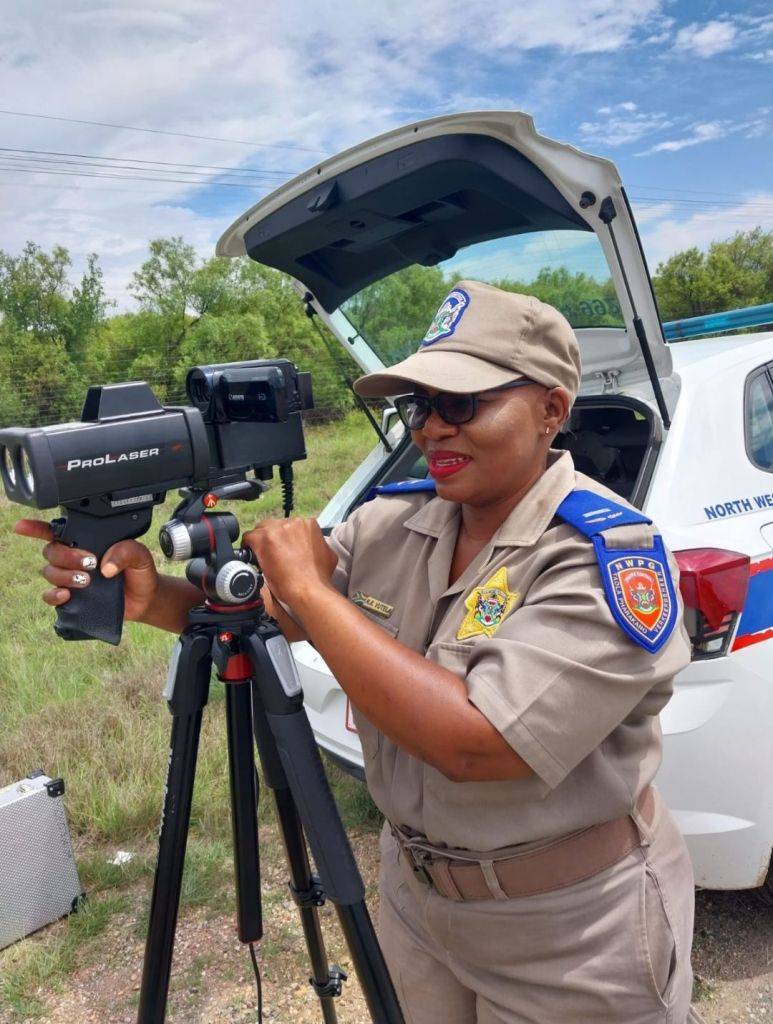
Picture: One of the traffic officers during roadblock/Facebook
By STAFF REPORTER
5 April 2026 – As part of ensuring compliance on the road by motorists traveling this Easter, the North West Department of Community Safety and Transport Management has positioned its law enforcement officers to operate speed camera relay on major roads of the province that are linking to other provinces.
The North West MEC for Community Safety and Transport Management, Wessels Morweng said speed is one of the major causes of road incidents and fatalities. Morweng urged motorists to adhere to the speed limit and cooperate with others.
“Speeding is a huge challenge and goes with human behaviour. So, we plead with our motorists to always remember that speed kills and the road is a space to share. About 49 motorists were fined for driving over the speed limit with two drivers fined heavily for excessive speeding.
“First driver was caught doing 153 km/ph on a 120km zone, while the second one was driving at 120km/ph on a 80km zone. Already 287 summonses have been issued for different violations with 46 vehicles discontinued since the official activation of the Easter Road Safety and Law Enforcement Operations,” he said.
Morweng further said long distance traveling motorists are encouraged to take a rest every after 200km or two hours of driving.
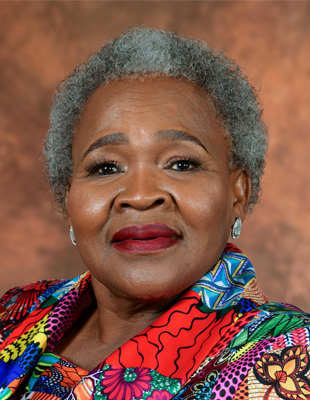
Picture: Minister of Social Development, Nokuzola Tolashe
By REGINALD KANYANE
4 April 2026 – The Democratic Alliance (DA) will lodge a complaint with the Public Protector against the Minister of Social Development, Nokuzola Tolashe for suspected breaches of the Executive Members’ Ethics Act 82 of 1998 and the Executive Ethics Code. This comes after serious allegations that Tolashe failed to follow legal prescripts and defied the President in initiating disciplinary steps against the former Director-General (DG), Peter Netshipale and in the process to appoint a new DG.
The DA spokesperson on Social Development and Member of Parliament (MP), Nazley Sharif said in terms of the Public Service Act, 1994, the President is responsible for the career incidents of Director-Generals, including appointment, suspension and disciplinary proceedings. Sharif said for a Minister to act on behalf of the President, a clear delegation must be granted.
“According to reports, this did not occur. It has been reported that President Cyril Ramaphosa wrote to the Minister noting violations of the Public Service Act in both the disciplinary action taken against the former DG and the advertisement of the post for a new DG.
“Ramaphosa allegedly demanded that the job advertisement be withdrawn. The subsequent withdrawal of the DG advertisement and the appointment of an acting DG point to a clear failure by the Minister to follow due legal process,” she said.
Sharif further said these developments must also be viewed alongside a previous ethics complaint lodged by the DA. She added Tolashe was accused of allegedly issuing a misleading reply to a parliamentary question and submitting a misleading report to the Portfolio Committee on Social Development regarding Netshipale’s appointment.
“We have concluded that Parliament had been misled on two separate occasions. This matter remains before the Ethics Committee.
“Further concerns arise from conflicting explanations provided by the Minister regarding the terms of Netshipale’s contract, as well as reports that the authenticity of a related contract letter is under investigation,” said Sharif.
She said in addition, allegations have surfaced that the Minister failed to declare the donation of two vehicles in 2023 and may have misrepresented the nature of these donations. Sharif said taken together, these issues point to a pattern of conduct that raises serious questions about the Minister’s fitness to hold office.
“The DA will also be writing to the Chairperson of Portfolio Committee to summon the Minister to account for all the alleged scandals. There is too much controversy surrounding the minister and she must explain.
“We must summon the Minister because it is Parliament’s responsibility to hold the executive accountable. South Africans deserve a Department of Social Development that is properly led and focused on serving the people,” she said.
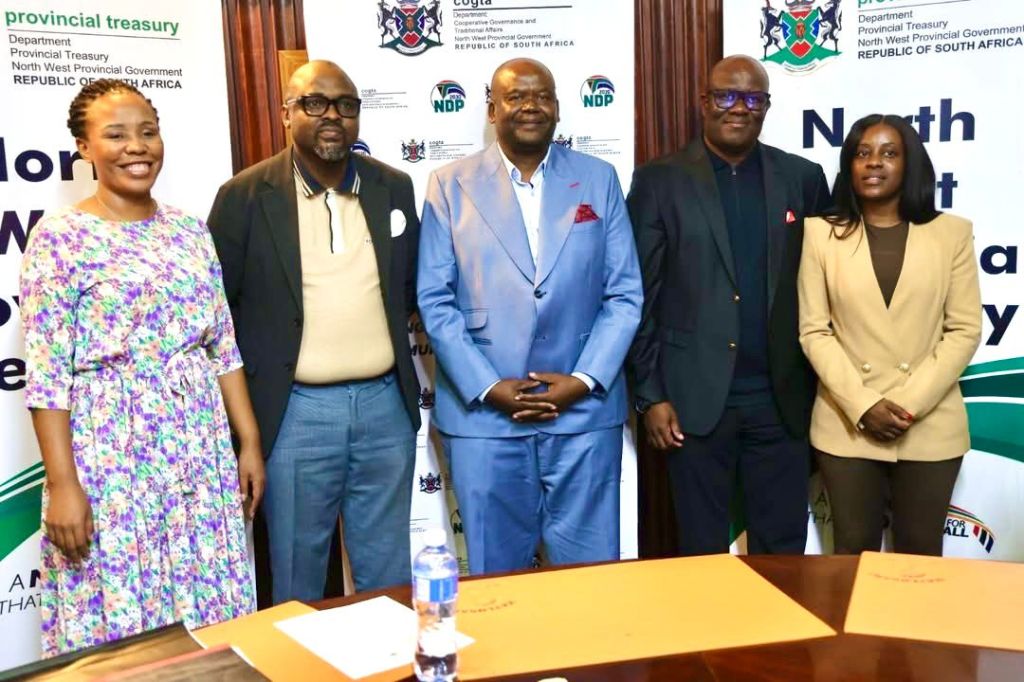
Picture: North West MEC for Finance, Kenetswe Mosenogi, Executive Mayor of City of Matlosana, Fikile Mahlophe, PER, Dr Moatlhodi Dilotsotlhe, North West MEC COGHSTA, Gaoage Oageng Molapisi and Speaker of Matlosana, Stella Mondlana-Ngwenya/Supplied
By OBAKENG MAJE
4 April 2026 – As part of the revised Provincial Mandatory Financial Intervention and Support Strategy, the North West MEC for Finance, Kenetswe Mosenogi and North West MEC for Cooperative Governance, Human Settlements and Traditional Affairs (COGHSTA), Gaoage Molapisi, introduced Dr Moatlhodi Dilotsotlhe as the Provincial Executive Representative (PER) to Matlosana Local Municipality. The deployment of Dilotsotlhe is effected in terms of Section 139(5)(a) and (c) of the Constitution, read together with Sections 146 and 147 of the MFMA.
Molapisi said it follows the determination that the municipality experienced serious financial distress requiring a mandatory Financial Recovery Plan (FRP), which remains a legally binding instrument. He further said the North West Provincial Executive Council has taken this decision for several compelling reasons to restore stability, good governance, and effective service delivery to the City of Matlosana.
“The North West Provincial Government (NWPG) is sending a clear and final message to the City of Matlosana Council that this is not merely a support mechanism. It is a binding framework for corrective action to create a stable, capable, and ethical municipality that delivers services to its people.
“This strengthened intervention is consistent with the constitutional principles of cooperative governance. It allows us to scale up our support and oversight in a manner that is both necessary and proportional to the deepening institutional control collapse we are witnessing,” added Molapisi.
He said to give effect to this strengthened intervention, the approved measures such as Amendment of the Terms of Reference must be implemented with immediate effect. Molapisi said the Terms of Reference will be amended to empower the PER to impose the FRP by fully assuming the functions and powers of the accounting officer.
“COGTA and Provincial Treasury, will immediately augment the intervention team with additional capacity in the critical areas of service delivery, governance, legal and technical and financial support of the PER.
“Quarterly technical “war room” meetings will be convened to rigorously review progress on the implementation of the FRP and other identified priorities,” he said.
Molapisi said he and Mosenogi will urgently engage with the political leadership of the municipality to clearly outline the objectives, expectations and the new terms of engagement between the intervention team and the council. He said they will submit a joint report to the executive council on the progress of this intervention.
Mosenogi said: “The PER is no longer a purely advisory figure, but a strategic oversight and enforcement agent acting on behalf of EXCO to ensure that recovery commitments are honoured and delays are addressed decisively to strengthen oversight, monitoring and enforcement of the Financial Recovery Plan.
“The municipality remains fully responsible for implementing the approved, complying with all financial restrictions and recovery measures, and submitting credible monthly progress reports to my office.”
She said the PER is also not going to work alone, but will be strengthened by terms of administrative capacity and support, jointly by the Provincial Departments of CoGTA and Treasury. Mosenogi said Dilotsotlhe has in excess of eleven years’ experience in senior management, having been in the local government environment as the Technical Lead (CoGHSTA), Provincial Executive Representative, Section 139(1)(c) Administrator, acting Municipal Manager, and Strategy Execution Consultant.
“He has also occupied senior management positions such as CEO, Chief Visionary Officer (Consultant) in the private sector. So, we call upon the municipality, as well as all stakeholders—the municipal administration, labour, business, and the community—to work with the intervention,” she said.
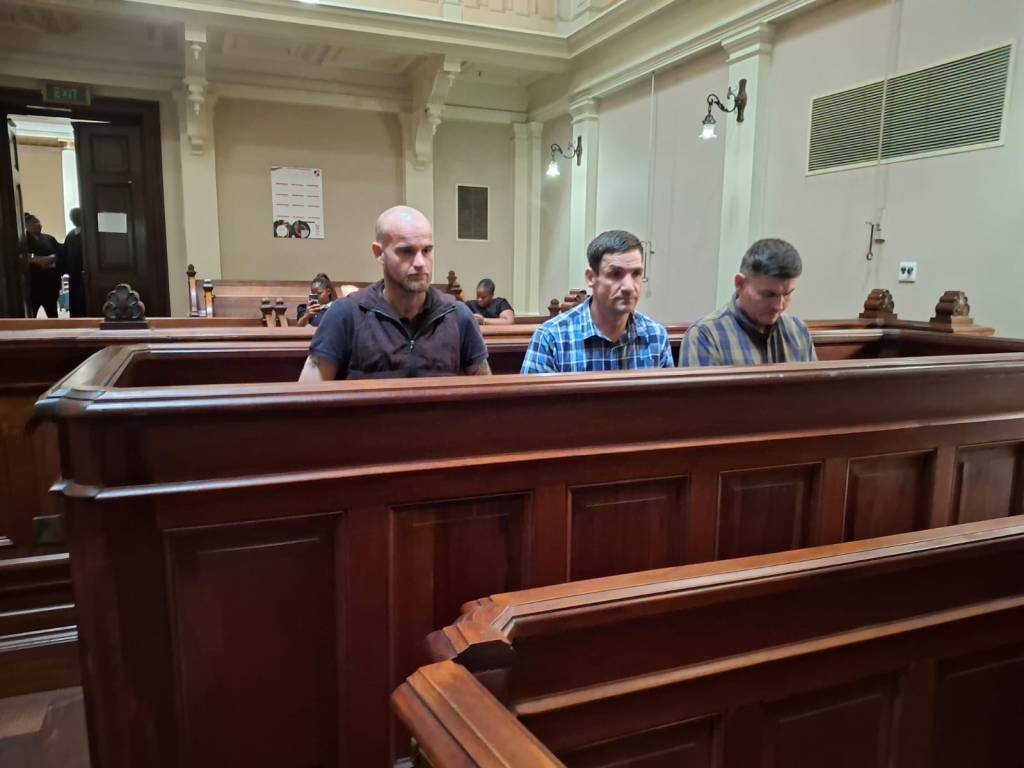
Picture: Three farmers, Jaco Wessels Kemp, Louise Coetzee, and Gert Frederik van der Westhuizen/Supplied
By REGINALD KANYANE
2 April 2026 – Three farmers were sentenced to life imprisonment each by the Gauteng High Court sitting in Pretoria for the premeditated murder of Dumisani Phakathi, a farm dweller. On 16 September 2023, three farmers, Jaco Wessels Kemp (36), Louise Coetzee (29), and Gert Frederik van der Westhuizen (38) were having a braai at the chicken farm in Mamokgalieskraal.
The National Prosecuting Authority (NPA) regional spokesperson in Gauteng, Lumka Mahanjana said at approximately 4pm, they saw Phakathi walking past the farm gate on his way to collect water from a nearby furrow, which community members commonly used as a water source. Mahanjana said the three approached him and assaulted him.
“They then dragged him into a storage facility inside the chicken farm, where the assault continued until he succumbed to his injuries. In the early hours of 17 September 2023, at approximately 2am, Kemp and Coetzee were stopped by police during a stop-and-search operation on the R511 towards Brits, while driving a bakkie.
“The vehicle was loaded with black refuse bags. During the search, police noticed human legs protruding from underneath the bags. Upon further inspection, they discovered the bloodied body of the deceased, with his head covered in plastic,” she said.
Mahananjana further said Kemp and Coetzee were immediately arrested at the scene. She added that Van der Westhuizen handed himself over to the police on 19 September 2023, after investigations linked him to the offence.
“In court, all three accused pleaded not guilty to the charges and shifted blame onto one another. However, the state prosecutor, advocate Lawrence More, presented compelling evidence through state witnesses, proving the state’s case beyond a reasonable doubt.
“In mitigation of sentence, the accused requested the court to deviate from imposing the prescribed minimum sentence because of the time they had already spent in custody since their arrest and that they have children to take care of,” said Mahanjana.
She said, however, More argued for life imprisonment because the trio killed the decease for no reason. Mahanjana said the deceased was killed in an inhumane and cruel manner, his body placed in rubbish bags in an attempt to throw it in a dumping site.
“More also read into the record the Victim Impact Statements, facilitated by Court Preparation Officer Lebogang Lebese, where the sister of the deceased expresses that she no longer trusts white people because of the incident.
“In delivering the sentence, the judge agreed with the state that the three showed no remorse for the offence, they killed a man for no apparent reason. Therefore, the only conclusion he can derive from the killing is that it was racially motivated,” she said.
Mahanjana said the court further declared all three accused unfit to possess firearms and ordered them to surrender all firearms, ammunition, licences, authorisations, and permits to the investigating officer. She said the NPA welcomes the sentence and reiterates its commitment to ensuring accountability for violent crimes, particularly those committed against vulnerable members of society.
Picture: A policeman nabbed for committing crime/Generic
By KEDIBONE MOLAETSI
2April 2026 – A constable police attached to the Cullinan Stock Theft and Endangered Species Unit, Rhulani Herbert Maringa (44) was sentenced to 12 years imprisonment by the Bronkhorstspruit Magistrate’s Court. This follows his conviction for stock theft valued at R80 000.
The National Prosecuting Authority (NPA) regional spokesperson in Gauteng, Lumka Mahanjana said Maringa was also declared unfit to possess a firearm. Mahanjana said on 17 April 2019, two accused persons who have since turned state witnesses stole cattle from Zonderwater Correctional Services in Cullinan at the instruction of Maringa.
“The matter came to light after police received a tip-off from a farmer to whom the stolen cattle had been sold. When the two individuals returned to the farm to collect payment, they were arrested.
“Upon their arrest, the two accused cooperated with the police and told the police that Maringa was involved in the planning of the offence and escorted them to the Goudveld Farm, where there is an abattoir and butchery,” she said.
Mahanjana further said during the trial, Maringa pleaded not guilty and denied involvement. She added that, however, the state prosecutor, Advocate Patsy Jacobs, presented compelling evidence that proved the state’s case beyond a reasonable doubt.
“In mitigation of sentence, Maringa through his legal representative asked for leniency on the basis that there was no financial loss ultimately suffered as the cattle were recovered and returned to the Department of Correctional Services.
“Jacobs opposed this, arguing that Maringa, as a police officer assigned to a stock theft unit, had a heightened duty to prevent such crimes and had instead abused his position,” said Mahanjana.
She said Jacobs urged the court to impose the prescribed minimum sentence.
Mahanjana said in handing down the sentence, the Regional Court Magistrate agreed with the state, emphasising that police officers are expected to uphold the highest standards of integrity and that the courts have a responsibility to protect the property rights of citizens. She said the NPA welcomes the sentence and commends the prompt and effective response by the police in this highly organised and premeditated offence involving a police official.
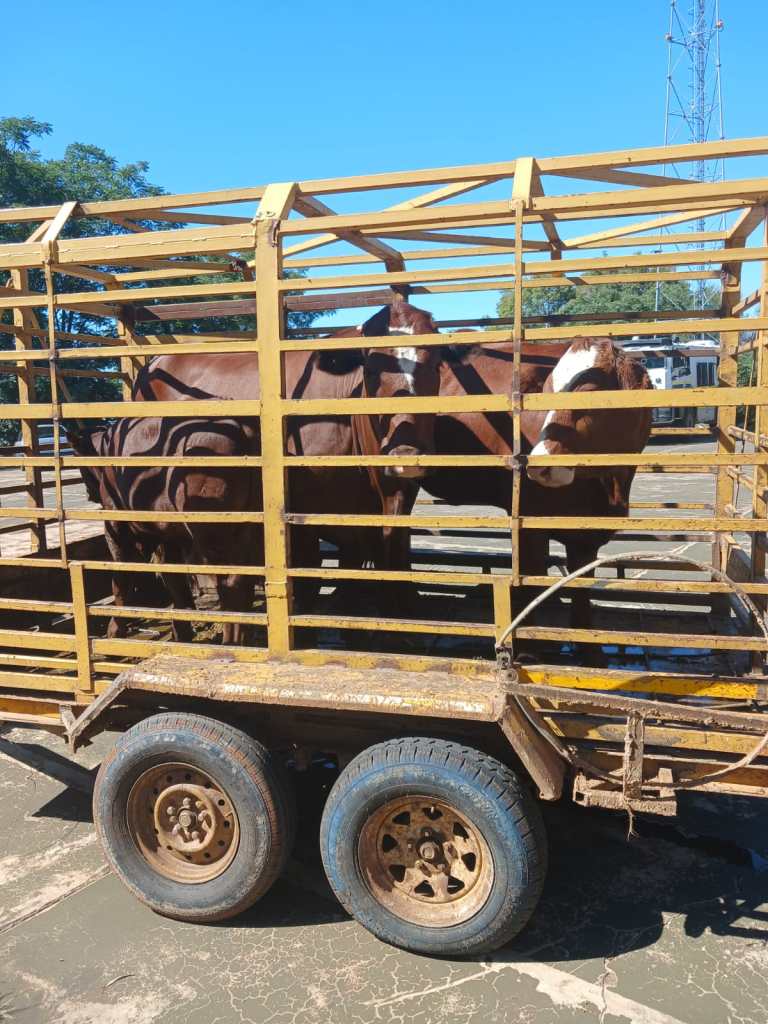
Picture: The suspected stolen cattle confiscated by the police/Supplied
By BAKANG MOKOTO
2 April 2026 – Two suspects aged 36 and 41 were arrested after the members of the Kuruman Stock Theft and Endangered Species Unit recovered three Bonsmara cattle valued at more than R40 000 on 1 April 2026. The suspects were arrested while attempting to sell the cattle at a feedlot, which is a feed yard where primarily beef cattle are taken to be forced fed for market before being slaughtered in Kuruman.
The Northern Cape police spokesperson, Lieutenant Colonel Thabo Litabe said the police were alerted to the incident and swiftly followed up on the information. Litabe said upon arrival at the feedlot, members identified brand markings on the cattle and circulated the details on the SAPS system.
“Further investigation led the police members to Camden village, near Kuruman, where it was established that the cattle had been stolen from a cattle post. The rightful owner was notified and a case of stock theft was registered at Kuruman Police Station.
“The recovered cattle were returned to the lawful owner. A white one-ton bakkie and a trailer that were used in the commission of the crime, were confiscated and booked into the SAPS 13 store as evidence,” he said.
Meanwhile, the acting John Taolo Gaetsewe District Police Commissioner, Brigadier Kenneth Baloyi, commended the members of the Kuruman Stock Theft and Endangered Species Unit for their swift response and dedication and encouraged them to continue their diligent efforts in combating stock theft. Baloyi said the police remain resolute in clamping down on stock theft incidents throughout the province.
2 April 2026 – Two assassins were sentenced to imprisonment for a murder and robbery incident that occurred in Kanana Township, near Orkney back in 2021. The tragic incident began when three unknown suspects went into a nearby supermarket on Monday evening, 22 November 2021 and pointed people with firearms.
The North West police spokesperson, Constable Thuto Bobelo said the suspects shot and killed a woman (34) before fleeing with items from the supermarket and the handbag of the victim. Bobelo said the victim was transported to Klerksdorp Hospital and was declared dead upon arrival.
“The police opened and registered a murder and robbery case docket. The matter was handed over to the Provincial Anti-Gang Investigation Unit and extensive investigations were conducted with positive results.
“The investigative expertise of the team successfully located the whereabouts of the suspects and identified them as hired Basotho assassins. An operation between Provincial Anti-Gang Investigation Unit and Flying Squad commenced and led to the arrest of two men on 27 January 2023,” he said.
He further said during the arrest, the suspects were found in possession of four shotguns, one revolver, two explosive tubes, one detonator, 105 ammunition for R5 rifle, 29 revolver ammunition and 20 ammunition for AK-47 rifle. Bobelo added that on 30 March 2026, two men aged between 34 and 35 were sentenced by the Klerksdorp Regional Court.
“The accused, Bokang Samson Sakhele (35) was sentenced to life imprisonment for murder, 15 years imprisonment for robbery, 15 years imprisonment for possession of explosives, 15 years imprisonment for possession of firearms, seven years imprisonment for possession of ammunition and two years imprisonment for Contravention of Immigration Act.
“Another accused, Taeta John Ramaema (34) was sentenced to 15 years imprisonment for possession of explosives, 15 years imprisonment for possession of firearms, seven years imprisonment for possession of ammunition and two years imprisonment for Contravention of Immigration Act,” he said.
Bobelo said in addition, the two men were declared unfit to possess firearms. He said the sentences of Sakhele will run concurrently with count 1.
“On the other hand, the sentences of Ramaema will run concurrently with count 3,” he said.
Meanwhile, the acting North West Police Commissioner, Major General (Dr) Ryno Naidoo praised the investigating officers Warrant Officer Buti Matlhoko and Warrant Officer Aupanyana Elias Lebitso for emerging victorious through the complex investigation and thanked the team for bringing the perpetrators to justice. Naidoo further reaffirmed that the police will stop at nothing to attain safer communities and continue to protect its inhabitants.
Picture: The Chairperson of the Committee, Dr Zweli Mkhize
By KEDIBONE MOLAETSI
1 April 2026 – The Portfolio Committee on Cooperative Governance and Traditional Affairs (COGTA) this week concluded the public submissions process on the Intergovernmental Monitoring, Support and Interventions (IMSI) Bill. The IMSI Bill aims to tighten laws on national and provincial government support and interventions in municipalities.
The Chairperson of the Committee, Dr Zweli Mkhize said it seeks to remedy the challenges often experienced during interventions and provides clear rules for monitoring performance, defines what “executive obligations” are, and sets out the support or corrective steps that must occur before and during an intervention. Mkhize said the Bill also introduces systems to identify early warning indicators so that problems can be addressed before they become crises.
“The constitution already allows national and provincial governments to intervene when a province or municipality fails to deliver municipal services such as water and electricity.
“However, procedures for doing this have often been unclear, leading to disagreements about when, how and why interventions should occur,” he said.
Mkhize further said the committee on Tuesday heard oral submissions from stakeholders, including the South African Local Government Association, Kwenzokuhle Community Organisation, the Commission for Gender Equality, Afriforum, the Public Affairs Research Institute and political parties such as the Economic Freedom Fighters. He added that it noted that the wide range of views received will help strengthen the legislation and improve its effectiveness.
“The committee was not yet at a stage where it could indicate whether it agreed with, supported or rejected any of the submissions. Instead, the purpose of the engagement was to gather views from various stakeholders and use them to refine the Bill.
“This will enable the committee to help close possible gaps, clear up confusion and ensure that the legislation is as clear and robust as possible,” said Mkhize.
He said the committee noted that the various stakeholders had approached the Bill from very different angles. Mkhize said some argued that the Bill is necessary and timely, while others questioned whether it adds anything new to what is already provided for in law.
“The committee found these opposing perspectives valuable because they would help it weigh the full spectrum of views and, as far as possible, address concerns. Among the key issues raised during the submissions was the question of resources.
“Some stakeholders asked whether sufficient resources would be available to support the interventions envisaged in the Bill and whether the legislative framework would be matched by practical capacity on the ground,” he said.
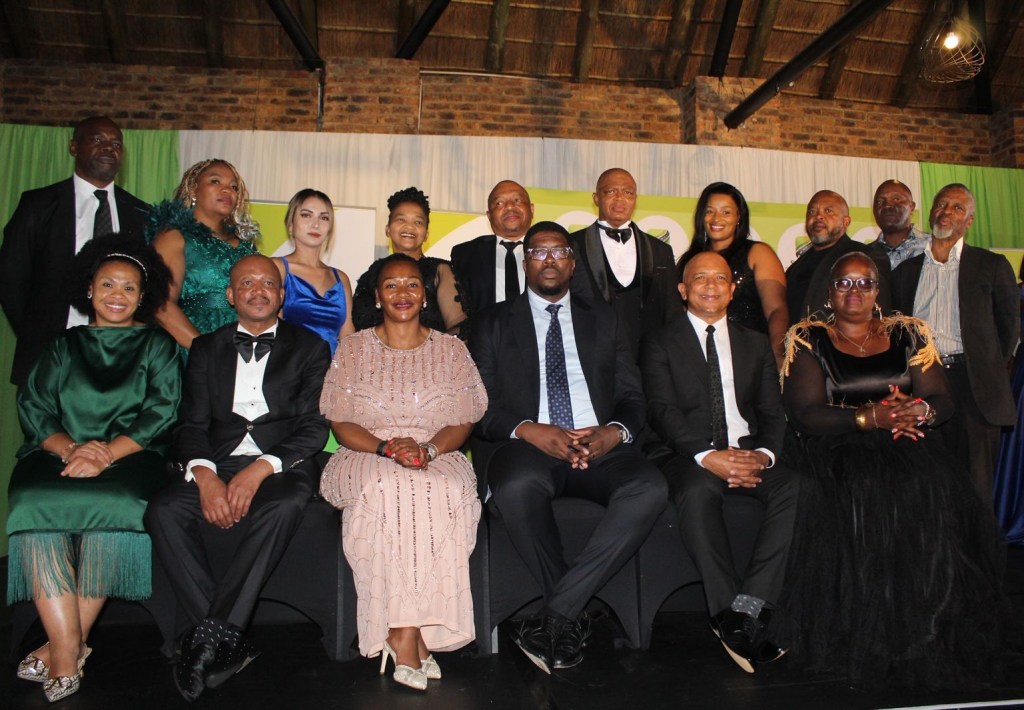
Picture: The new 2026 SANSBOC National structure/Supplied
By REGINALD KANYANE
1 April 2026 – The South African National Small Bus Operators Council (SANSBOC) has successfully concluded its elective conference, marking a significant milestone in the organisation’s constitutional governance process. SANSBOC said delegates from across all provinces gathered to the three elective conference at the Birchwood Hotel in Gauteng, where it elected new leadership who reaffirmed its commitment to transformation, empowerment and inclusive mobility within South Africa’s public transport sector.
SANSBOC president, Olivia Maponya said the conference was a resounding success, with attendees engaging in robust discussions and debates to shape the future of the organisation. Maponya said the newly-elected leadership is poised to drive the organisation’s mission forward, focusing on strengthening institutional stability and advancing the economic participation of small bus operators nationwide.
“This is a momentous occasion for SANSBOC. We are committed to working tirelessly to address the challenges facing our sector and to create opportunities for small bus operators to thrive.
“The conference demonstrated SANSBOC’s dedication to empowering its members and promoting inclusive mobility. With a clear vision and strong leadership, the organisation is well-positioned to make a meaningful impact in the public transport sector,” she said.
Maponya further said the event aimed to promote formalization and empowerment of small bus operators, with a focus on safety, transformation, and economic growth is eager to see the positive changes that will unfold under the new leadership. She added that the SANSBOC event concluded on a high note, with a special awards ceremony recognizing the outstanding contributions of the organization’s founders and veterans.
“These pioneers were honoured for their tireless efforts in shaping the transport sector and driving SANSBOC’s mission forward,” said Maponya.
Meanwhile, the Deputy Minister of Transport, Mkhuleko Hlengwa, delivered a keynote address at SANSBOC Gala Dinner emphasized the importance of prioritizing learner safety and roadworthiness of vehicles, highlighting the significant role small bus operators’ play in providing essential mobility for learners, especially from disadvantaged communities. Hlengwa also stressed the need for a structured voice for small bus operators and expressed the government’s commitment to supporting the sector.
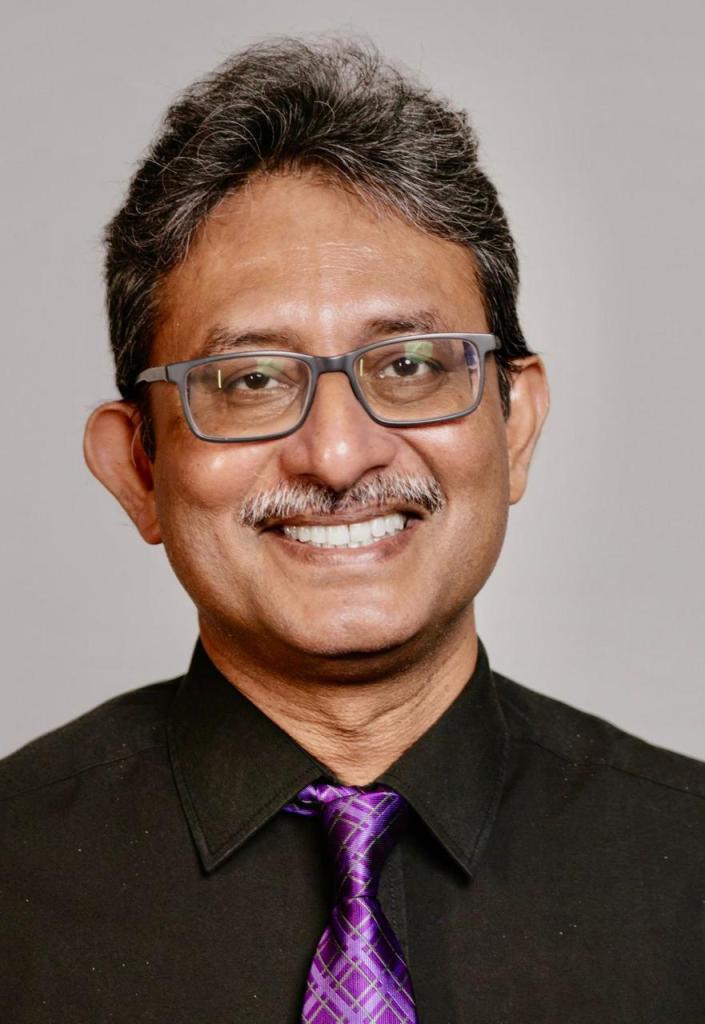
1 April 2026 – The North West University (NWU) has reached a significant milestone in its academic and institutional development with the appointment of Professor Binu Luke as the inaugural Chief Director of the Desmond Tutu School of Medicine, effective 1 April 2026.
The university said this landmark appointment represents a major step forward in its strategic vision to establish a fully-fledged medical school that will contribute meaningfully to addressing South Africa’s healthcare workforce needs and strengthening the national health system.
Welcoming the appointment, NWU Vice-Chancellor and Principal, Professor Bismark Tyobeka said the Desmond Tutu School of Medicine is set to become the country’s 11th medical school, with plans to welcome its first cohort of students in 2028. Tyobeka said on behalf of the North West University, he warmly welcomes Luke as the founding Chief Director of the Desmond Tutu School of Medicine.
“This is a defining moment for our institution and for the communities we serve. Professor Luke’s leadership, depth of expertise and alignment with our values of transformation, excellence and social responsiveness will be instrumental in shaping a medical school that is both globally competitive and locally relevant.
“Luke is a distinguished South African physician and health systems leader with extensive experience across clinical medicine and provincial and national health governance. He holds multiple advanced qualifications, including MBBS, MD (General Medicine), DNB (General Medicine), Dip HIV Management (SA), FCP (SA), and FRCP (London), reflecting both international and South African specialist recognition,” he said.
Tyobeka further said since 2023, he has served as Project Lead for the Desmond Tutu School of Medicine at NWU, while also holding key leadership roles within the North West Department of Health. He added that these include Technical Advisor to the Deputy Director-General for Hospital and Clinical Support Services, Programme Manager for tertiary services, and Head of Clinical Department and Chief Specialist in Internal Medicine at the Klerksdorp/Tshepong Tertiary Hospital Complex.
“Luke has played a pivotal role in strengthening healthcare systems in the North West, contributing to the development of specialist services such as oncology, interventional cardiology, cardiothoracic surgery, nephrology, nuclear medicine, neurosurgery and advanced radiology.
“He has also been instrumental in advancing clinical training platforms and supporting the development of future healthcare professionals. His contributions extend to national policy and regulatory frameworks, including work with the Health Professions Council of South Africa (HPCSA) on internship training reform, accreditation processes and policy development,” said Tyobeka.
He said Luke currently serves on the Ministerial Advisory Committee on Human Resources for Health and played a key leadership role during the COVID-19 pandemic response in the province.
Meanwhile, Luke said: “The values of the Arch will be the guiding light as the Desmond Tutu School of Medicine begins its journey to produce fit-for-purpose doctors for our nation.
“Our curriculum and its delivery are intentionally designed to achieve this objective. The Desmond Tutu School of Medicine will prioritise the development of a responsive and supportive academic and clinical training environment, aimed at producing graduates who are clinically competent, ethically grounded and socially responsive.”
He said its academic programme will integrate foundational medical training with innovation in teaching, research and technology to address the evolving needs of the healthcare sector. Luke said his contributions to medicine, education and health systems have been widely recognised through numerous awards, including Fellowship of the Royal College of Physicians (London), the Ken Huddle Role Model Award (2022), the South African Medical Association Extraordinary Service to Medicine Award (2024), and the African Health Excellence Award (2024).
 The Guardian