By OBAKENG MAJE
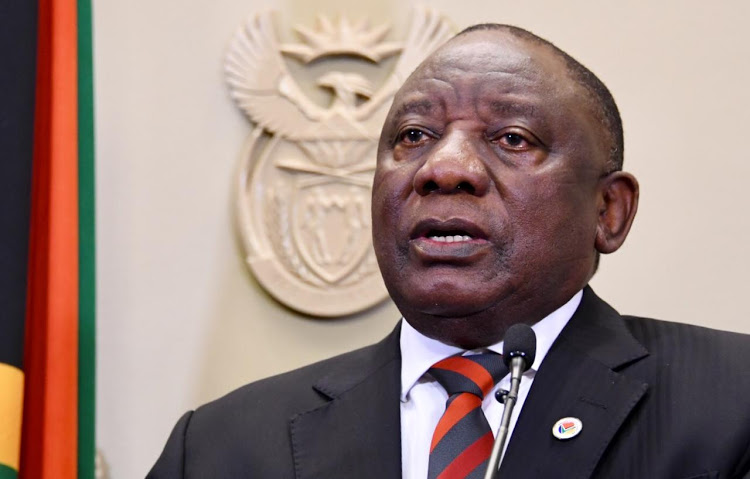
25 May 2025- The Republic of South Africa (RSA) president, Cyril Ramaphosa said across the world, countries are having to grapple with their past as they confront the challenges of today. Ramaphosa said the past that countries deal with is often about atrocities that were committed against sections of their people.
He further said dealing with the memory of past atrocities is one of the most difficult and delicate tasks a nation can undertake. Ramaphosa added that this can be a cathartic process, but is vital if a country is committed to enhance national healing, cohesion and unity.
“The way a country remembers its painful past can shape the character of its democracy, the legitimacy of its institutions and the resilience of its people. As a country, we have had to contend with our past in the interests of social cohesion and nation-building.
“We have advanced policies of restitution and redress to both acknowledge and correct the historical injustice of apartheid. We remain equally committed to restoring the dignity of apartheid’s countless victims and to bringing closure to their families,” he said.
Ramaphosa said over the past weekend, they reburied the remains of Advocate Duma Nokwe, a hero of the anti-apartheid struggle and former Secretary-General of the African National Congress, who died in exile in Zambia in 1978. He said Nokwe was the first black advocate to be admitted to the Johannesburg Bar, and both a defendant and a member of the defence team in the treason trial of 1956.
“In recognition of his contribution to the legal fraternity, we conferred him the status of senior counsel posthumously. Duma Nokwe was one of 42 former liberation heroes and heroines who passed away in exile whose remains were repatriated from Zambia and Zimbabwe in September last year.
“We are grateful for the countries that gave our people shelter and support in exile and provided a resting place for those who died before they could return home,” he said.
Ramaphosa said many families in this country lost their loved ones to apartheid brutality and live with these scars. He said the apartheid regime even pursued activists that had fled the country and their whereabouts remain unknown.
“In 1994, we chose a path of national reconciliation. We established the Truth and Reconciliation Commission (TRC) to shed light on the atrocities committed during apartheid.
“Even as democratic South Africa attempted to unearth what happened and to hold those accountable to account, many apartheid-era security officials either refused to appear before the TRC or did not fully disclose their actions,” Ramaphosa said.
He said others resorted to delaying tactics and obstruction to evade trial. Ramaphosa said as they recently announced, he is in the process of establishing a judicial commission of inquiry to look into allegations of interference in the investigation and prosecution of apartheid-era crimes referred by TRC.
“As government we remain steadfast in our commitment to restoring the dignity of activists who died and were buried abroad, and to our country men and women who were subjected to indignities in foreign lands.
“This is being done within legal frameworks such as the National Heritage Resources Act. This framework facilitated the repatriation of Sara Baartman’s remains for burial in South Africa in 2002,” he said.







 The Guardian