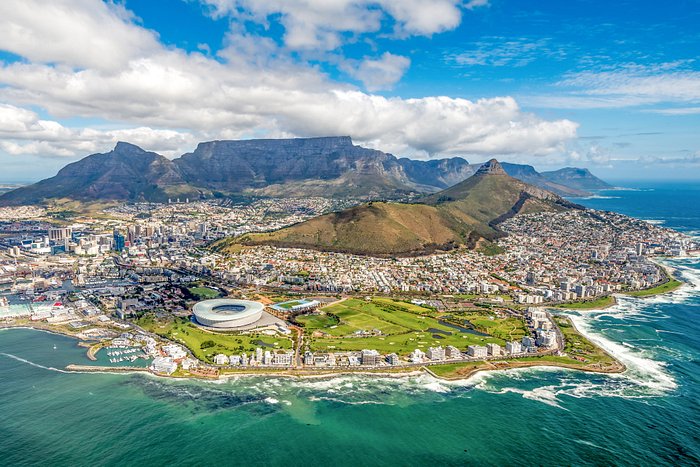
Picture: Cape Town is ruling the tourism roost/Google
By OBAKENG MAJE
Even though South Africa has experienced a drastic drop in tourist arrivals during the COVID-19 pandemic, there has been a drastic improvement thus far. According to the Tourism 2022 report released by Statistic South Africa, shows that the volume of tourists dropped by 72.6% from 10 228 593 in 2019 to 2 802 320 in 2020.
StatsSA said there was also a decline of 19.5% between 2020 and 2021. However, it said the volume of tourist arrivals has increased by 152.6% from 2 255 699 tourists in 2021 to 5 698 062 tourists in 2022.
“A gradual improvement was observed in the number of tourist arrivals from January to December 2022. However, it is still 44,3% below the pre-pandemic year of 2019.”
The Director of Tourism Research in Economics, Environs and Society (TREES) at the North West University (NWU), Prof Elmarie Slabbert said other tourism destinations in South Africa can take a leaf out of Cape Town’s book. Slabbert further said Cape Town is ruling the tourism roost because it ensures that tourists feel safe.
“Safety of tourists plays an integral role in ensuring Cape Town is a successful tourism destination. Other cities and regions would be wise to follow Cape Town and the Western Cape’s tourism blueprint. Also, local government and tourism authorities should work with the private sector as a thriving tourism sector not only creates jobs but has numerous nature conservation advantages.
“Safety brings a proactive cooperation between various role players. According to the research unit, TREES at the NWU, these are some of the foremost reasons why travellers flock to tourist destinations and this is why Cape Town and the Western Cape are currently ruling the country’s tourism roost,” she said.
Slabbert further said Cape Town is proactive in how it manages tourism in the city and province. She added that, Cape Town tourism utilises different platforms to reach potential tourists, focuses on building the brand of the city, and promotes the destination as a whole.
“The success of this approach showcases how the private and public sectors are working together to take the tourism sector to the next level. There is also an in-depth focus on creating jobs in the tourism sector. Like any other major city, the region has its challenges, but it generally offers a safe environment for tourists.
“The diverse product offered by Cape Town and the region provides for the needs of both local and international tourists. This includes natural aesthetics, such as the mountains, the seashore, and forests, adventure tourism opportunities, as well as the rich cultural heritage with a diverse population and a history that has led to a unique blend of traditions, art, music, and cuisine,” said Slabbert.
Meanwhile, the Sustainable Expert at TREE, Prof Peet van der Merwe said: “The NWU is committed to helping to achieve the United Nations’ Sustainable Development Goals. There is research being done by TREES to promote the country’s tourism sector, which contributes massively to job creation and various nature conservation initiatives – plays an indispensable role in this regard.
“But, if the country’s tourism sector hopes to further achieve these goals, the relevant role players and authority figures need to get their respective houses in order: The ability of local governments and tourism authorities is crucial. They must be functional and effective in running their offices.”
 The Guardian