By PHENYO MOKGOTHU
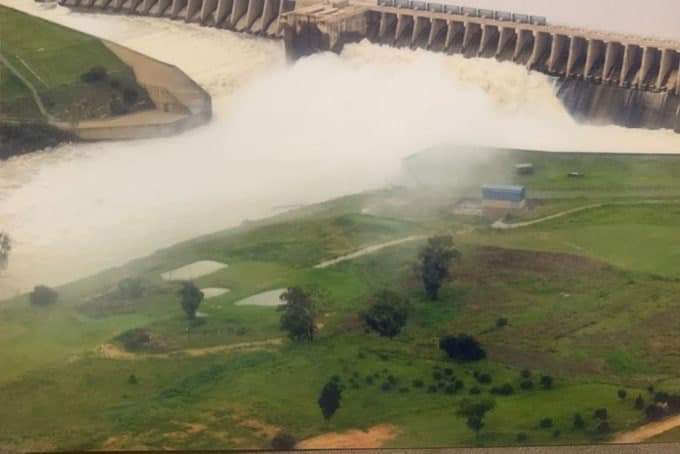
The North West University (NWU) academic in the African Centre for Disaster Studies, Prof Livhuwani Nemakonde said the heavy rainfall experienced in South Africa in recent weeks is due to a combination of factors.
“Climatologists have indicated that this is because of the La Niña phenomenon. La Niña (Spanish for a little girl) is the opposite of an El Niño (little boy), which usually predicts low rainfall for South Africa.
“In simple terms, this means that most parts of the country will receive above average summer rainfall, and it is for this reason that seven of the nine provinces received huge amounts of rainfall that led to flooding,” Nemakonde said.
He further said, the impact of the floods is quite high, particularly in parts of Mpumalanga, KwaZulu-Natal, the Eastern Cape, and Limpopo. Nemakonde added that the weather forecasts warn that the trend might continue into the last week of February and that South Africa is likely to receive more rain into autumn.

“Obviously, the amount of rainfall plays a major role, but other human-related factors such as residing in low-lying areas, flood plains, riverbanks, and poor infrastructure contribute to the impact of floods.
“With seven of the nine provinces affected by the floods that resulted in the loss of lives and destruction of infrastructure, the government declared a national state of disaster on 13 February 2023,” he said.
According to Prof Nemakonde, government officials argued that the declaration of a state of disaster will help with expediting the availability of resources to those most affected.
He said, once the national state of disaster is declared, they expect the government to immediately make resources available to assist those affected. Nemakonde said, however, the handling of the recent KZN floods paints a different picture, as those affected had to wait long for assistance.
“I argue that the delays might be even worse this time, seeing that the government is currently dealing with two states of disasters – one for the electricity crisis and the other for the floods. One wonders where the government will find the means, especially financial resources, to address these disasters.
“The private sector and civil society should join the government in this regard to assist those affected by the floods,” he said.
 The Guardian