By KEDIBONE MOLAETSI
5 September 2025 – The joint parliamentary oversight delegation concluded the first leg of its oversight after three days in North West on Wednesday. The delegation, comprising the Portfolio Committee on Cooperative Governance and Traditional Affairs, the Standing Committee on Public Accounts and the Standing Committee on the Auditor-General, conducted oversight in conjunction with the North West Provincial Legislature.
This visit forms part of a broader engagement with underperforming municipalities across provinces and is part of a new model of oversight designed to align accountability across all three spheres of government. The oversight concluded with a call for ethical leadership across political parties.
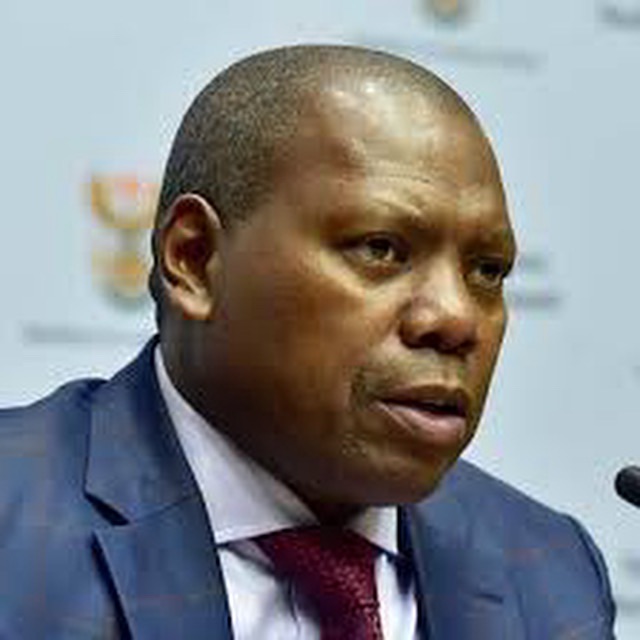
The Chairperson of Portfolio Committee on Cooperative Governance and Traditional Affairs (COGTA), Dr Zweli Mkhize said, while noting that many of the challenges stem from councillors deployed by the majority party, he stressed that all councillors, regardless of political affiliation, are collectively responsible for ensuring stability, accountability and service delivery.
Mkhize said the delegation also observed deep political instability in several councils, with councillors divided into factions that, in some instances, attempted to install competing mayors or speakers.
“This paralysis was compounded by high vacancy rates in senior management posts, with many municipalities reliant on acting appointees due to an inability to attract or retain skilled personnel.
“In rural municipalities, especially, inadequate resourcing and reliance on grants have compromised institutional sustainability,” he said.
Mkhize further said the oversight also raised serious concerns about municipalities’ continued reliance on consultants, with little evidence of skills transfer or capacity-building. He added that members demanded the urgent development of consultant replacement plans to ensure that core governance and financial functions are restored to internal municipal structures.
“The visit highlighted several urgent cases requiring provincial intervention. In Ramotshere Moiloa Local Municipality, councillor divisions created confusion over the position of mayor, prompting the intervention of the North West MEC for Cooperative Governance and the provincial police commissioner.
“The joint delegation asked the MEC to engage directly with councillors to enforce compliance with the law and restore stability,” said Mkhize.
He said in Tswaing Local Municipality, instability and leadership vacuums have severely compromised service delivery, with senior officials facing suspension and arrest. Mkhize said residents there continue to endure water shortages, poor waste management and failing road infrastructure.
“The delegation emphasised that these failures are not merely abstract administrative issues but have direct consequences for residents, who are bearing the brunt of political squabbles, financial recklessness, and governance paralysis.
“We would like to remind councillors and provincial leaders of their constitutional responsibilities. You have the authority given to you by the Constitution, and we expect you to use it,” he said.
Mkhize said municipalities cannot continue to function effectively without clean audits, effective financial management and political stability. He said residents deserve reliable services and accountable leadership, not dysfunction and neglect.
“The delegation has directed MECs to closely monitor council decisions, ensure that investigations into maladministration are completed, and intervene decisively where councils fail to act.
“Detailed reports, including timelines and measurable targets, must be submitted to Parliament and the provincial legislature. The committees warned that continued non-compliance will trigger further interventions,” said Mkhize.
He said parliament will continue to monitor developments in the North West municipalities, and the delegation reaffirmed its commitment to ensuring that consequence management is enforced and that communities receive the services and stability to which they are entitled.
 The Guardian