By OBAKENG MAJE
26 January 2026- The North West Department of Cooperative Governance and Traditional Affairs is at a brink of achieving 100% expenditure of the Municipal Infrastructure Grant (MIG), which has given many communities, especially rural villages a facelift across the province. The department said such projects included the installation of high mast lights, construction of paved roads as well as water supply and sanitation projects.
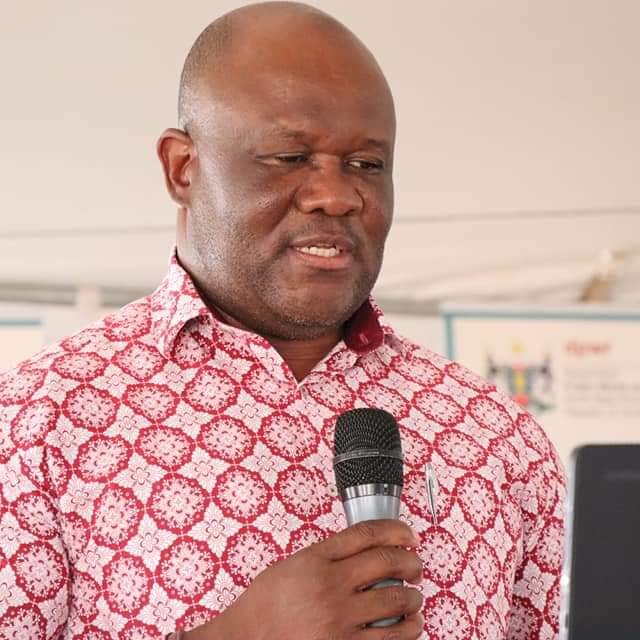
The North West MEC for Cooperative Governance, Human Settlements and Traditional Affairs (COGHSTA), Oageng Molapisi said through intensive support programmes to municipalities, the department has moved from 90% MIG expenditure in the 2022/2023 financial year, to 97% in 2023/2024 and 99% in 2024/2025 financial year. Molapisi said the province has been allocated R2.2 Billion.
“51% of the total allocation has been spent half-way in the financial year (Dec 2025), cementing the expectation that the remaining (49%) allocation will be duly spend between January and June 2026.
“The department is aiming for 100% expenditure, by leaving no allocation that is meant to service and ensure development in communities across the province,” he said.
Molapisi has further expressed satisfaction in the expenditure pattern, saying its time department ensure 100% expenditure for the benefit of our rural communities. He added that quarterly district MIG sessions that were held with municipalities, have assisted to unblock challenges encountered during project initiation and implementation.
“We believe each cent earmarked for the MIG projects will be spent to ensure infrastructure development and transform the living conditions in our communities.
“Municipalities in the province are also on the right trajectory to work towards better financial governance and better audit outcomes,” said Molapisi.
He said Moses Kotane, JB Marks and Greater Taung Local Municipalities have improved from qualified to unqualified audit opinion, Ratlou Local Municipality improved from disclaimer to qualified audit outcome, Mamusa moved from adverse to qualified and Lekwa-Teemane Local Municipality moved from disclaimer to adverse audit outcome.
Molapisi said even though the department, working together with other stakeholders worked towards better audit outcomes, the progress is welcomed while more efforts are being made to achieve better.
“A special focus will be given to Bojanala Platinum, Dr Kenneth Kaunda District Municipalities as well as Moretele Local Municipality, which have been receiving unqualified audit opinion, to assist them to achieve clean audit opinion.
“Even though several milestones have been achieved, it’s time to show that we take audit outcomes seriously. We must now move to an era of submitting quality financial statements that should positively impact audit outcomes,” said Molapisi.
He said they are working hard together with Provincial Treasury as part of supporting and strengthening the capacity of municipalities to ensure improved financial management, which should translate into improved positive audit opinions. Molapisi said the department is also continuing to make notable progress through the effective utilisation of the Municipal Performance Assessment Tool (MPAT), a management diagnostic instrument developed to assess the quality of management practices within municipalities.
“Since the inception of the Municipal Turnaround Strategy, several municipalities were increasingly demonstrating improved performance on targeted areas, by proactively identifying management weaknesses through early warning signs before it escalated into audit queries or service-delivery challenges.
“Such areas included Putting People First, Delivering Basic Services, Good Governance, Sound Financial Management, Building Capable Local Government and Local Economic Development,” he said.
Molapisi said as per the MPAT score for 2023/24, Bojanala Platinum District Municipality was leading at 83%, followed by Dr Kenneth Kaunda at 82%, and Moretele Local Municipality at 77%. He said the progress was achieved through the implementation of a dashboard monitoring system, which has enabled the department to track performance trends, support corrective actions, and implement targeted interventions in collaboration with municipalities.
“We believe that an intensified oversight and support will continue to improve the performance of all municipalities. MPAT is consistently focusing on critical management systems, which had historically been the root cause of poor audit outcomes, governance instability, and poor service delivery.
“Municipalities that were scoring low under MPAT, were identified and this triggered turnaround interventions, intensified support, and closer monitoring by the department” said Molapisi.
 The Guardian