By BAKANG MOKOTO
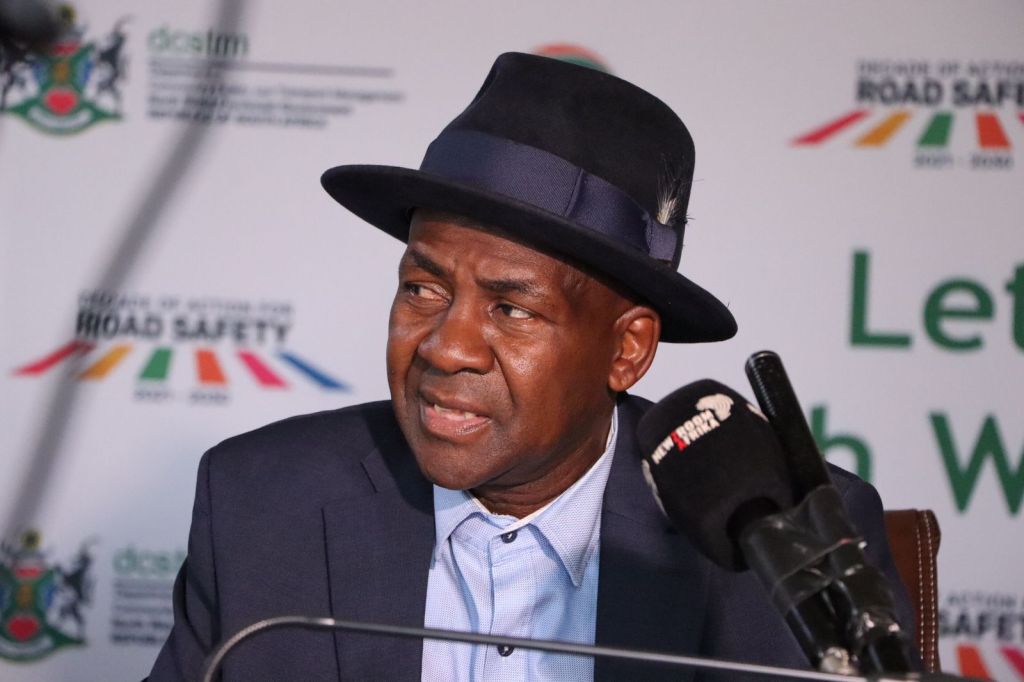
14 November 2024- The North West MEC for Health, Sello Lehari added his voice to millions around the world to mark World Diabetic Day. Every year on November 14, World Diabetes Day (WDD) is observed to raise awareness of this worldwide health issue.
Lehari said the World Diabetes Day offers a chance to highlight the importance of diabetes as a worldwide public health concern and the individual and group efforts required to enhance the disease’s detection, prevention, and treatment.
He further said the theme for this year: “Breaking Barriers, Bridging Gaps”, reflects their dedication to lowering the risk of diabetes and making sure that everyone with the disease has access to fair, thorough and high-quality care.

“Diabetes is a chronic disease that occurs either when the pancreas does not produce enough insulin or when the body cannot effectively use the insulin it produces. It is classified in 4 types known as type 1, Type 2, Gestational and prediabetes.
“During type 1 diabetes, your body produces little or no insulin. Type 2, insulin is not adequately used by the cells in your body. One kind of diabetes that appears during pregnancy is called gestational diabetes,” said Lehari.
He added that after the baby is born, this kind of diabetes usually disappears. Lehari said on the other hand, you are more likely to get type 2 diabetes in the future.
“If you have had gestational diabetes. Type 2 diabetes can occasionally be identified during pregnancy. With prediabetes, blood glucose levels that are higher than usual but not high enough to be classified as type 2 diabetes are found in people with prediabetes.
“You are more likely to get type 2 diabetes later in life if you now have prediabetes. Diabetes increases the risk of kidney, nerve, heart, and eye damage. Symptoms of diabetes includes increased thirst (polydipsia) and dry mouth, frequent urination, fatigue, blurred vision, unexplained weight loss, numbness or tingling in your hands or feet, slow-healing sores or cuts and frequent skin and/or vaginal yeast infections,” he said.
Lehari said it can be managed by routine blood glucose tests, controlling blood pressure, controlling cholesterol, quitting smoking, creating a healthy diet, getting physical activity, reaching and maintaining a healthy weight, getting enough sleep and constantly taking diabetes medication including blood pressure and cholesterol medication.
He said long term complications of diabetes include cardiovascular (heart and blood vessel) issues such as, but not limited to heart attack, stroke, skin infections, sexual dysfunction due to nerve and blood vessel damage, such as erectile dysfunction or vaginal dryness, hearing loss and amputations.
“The prevalence of diabetes mellitus has rapidly increased in South Africa, from 4.5% in 2010 to 12.7% in 2019. Of the 4.58 million people aged 20–79 years who were estimated to have diabetes in South Africa in 2019, 52.4% were undiagnosed,” said Lehari.
 The Guardian