By BAKANG MOKOTO
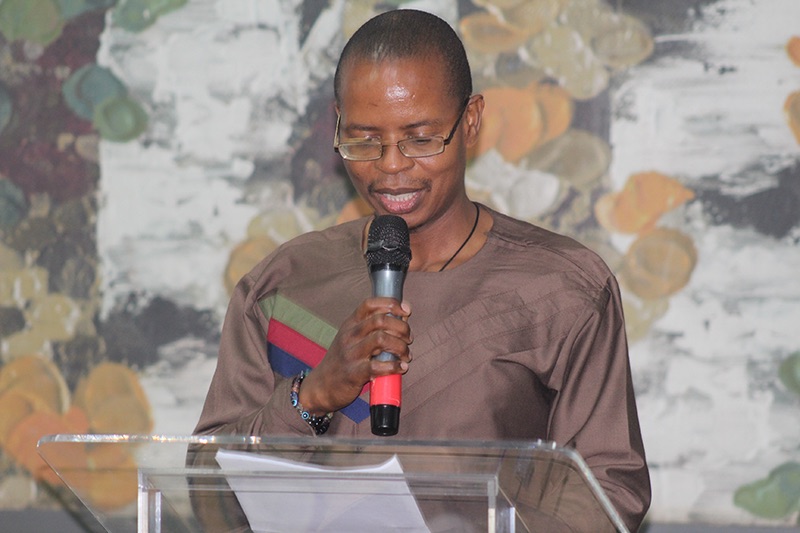
11 November 2024- Decolonization is important because it aims to achieve cultural, psychological, and economic freedom for indigenous people, and to challenge the legacy of colonialism. North West University (NWU) Law Professor, Boitumelo Mmusinyane challenges students as he advocates for their greater involvement in efforts to decolonise South Africa’s legal system.
Mmusinyane further said the ongoing challenge of integrating indigenous knowledge into the country’s Eurocentric Legal Framework, is a legacy of colonisation and apartheid that continues to marginalise African governance traditions.
He added that South Africa’s judiciary remains deeply influenced by European legal and governance systems, even as it plays a role in transforming society.
“Will you be a benchwarmer, enforcing the status quo, or will you be part of the legal revolution? Our judiciary continues to mirror Eurocentric Legal Frameworks, yet it is responsible for societal transformation.
While lawyers are well-trained in navigating the current system through established precedents, they often face difficulties incorporating African legal principles into their practice,” said Mmusinyane.
He said a major issue is the untapped potential of indigenous knowledge, which has been neglected for centuries. Mmusinyane noted that indigenous governance systems, which were once central to African societies, have been overshadowed by laws introduced during colonialism.
“The African population is trying to navigate a legal system that contributed to the dismantling of their traditional governance structures. There is a resistance that often accompanies discussions about the integration of indigenous laws.
“If you mention indigenous knowledge systems, people laugh or dismiss the idea. This reaction perpetuates the dominance of colonial legal frameworks and slows down efforts to revive African legal traditions,” he said.
African legal concepts were erased
Mmusinyane also raised important questions about the existence of African legal concepts in various areas, including insurance, construction law, intellectual property and trade. He asked if these laws exist?
“Yes, they existed, but were wiped out by the legal systems we rely on today. So, I challenge both legal professionals and students to take responsibility for rediscovering and developing these indigenous legal concepts.
“I would also like to caution against relying on the same colonial systems that shaped South Africa’s laws in the 20th century to address the country’s current legal challenges,” said Mmusinyane.

He said the majority of the laws they depend on today, were not created with the involvement of the entire population. Mmusinyane said many people’s beliefs and legal systems remain marginalised, even decades after the end of apartheid.
Indigenous languages come to the fore
Mmusinyane emphasised that decolonising the legal system is not limited to formal legal education. He said people do not need to study law in their mother tongues at university to challenge the system.
“Restoration of dignity to community laws is a shared responsibility. With the recent appointment of Justice Mandisa Maya as Chief Justice, we expect that, indigenous languages will soon play a larger role in South African law.
“We encourage students to prepare for this change. If tomorrow, the courts adopt Setswana, Xhosa, Zulu or Pedi as official languages, are you ready to engage with the law in your own language?” he asked.
Mmusinyane also reminded students that universities and legal scholars alone cannot overhaul the legal system. He said individuals also have a role to play in decolonising the law.
 The Guardian