Committee sends condolences to families affected by natural disasters


By REGINALD KANYANE

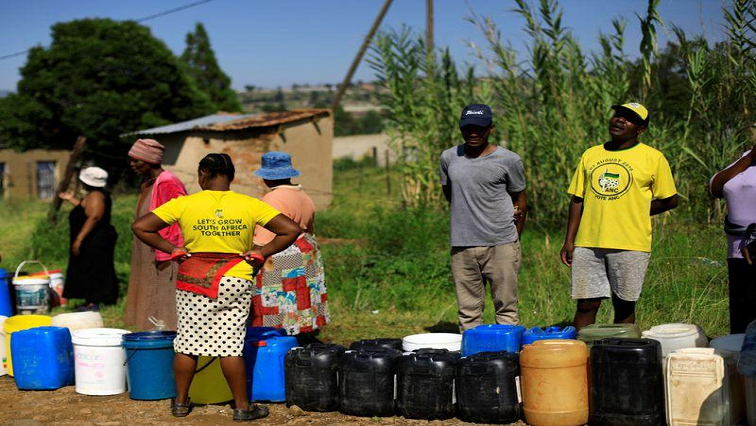
19 January 2026 – The Portfolio Committee on Forestry, Fisheries and the Environment extend its deepest condolences to the families in KwaZulu-Natal, Limpopo and Mpumalanga provinces, who have tragically lost loved ones during the recent torrential rains and floods. The committee said it stands in solidarity with the thousands of affected households whose lives have been disrupted.

The Chairperson of the Portfolio Committee, Ngabisa Gantsho said many have lost their homes, personal belongings and their primary means of livelihood, including farmland and livestock. Gantsho said the committee also acknowledges the communities in the Western Cape and Eastern Cape, where devastating wildfires have forced evacuations and destroyed properties.

“From the rising waters of the north to the raging fires of the south, the scale of destruction, from washed-away schools in Jozini to scorched farmlands in Overstrand, is a national loss. The committee recognises that, for many, the journey to recovery will be long and challenging, and the committee reaffirms its commitment to ensuring that no community rebuilds alone.

“The extent of destruction, with bridges swept away and entire villages in districts such as Vhembe, Mopani, uMkhanyakude and Ehlanzeni isolated from essential services, is a national concern. In contrast, the fires across the Cape Winelands and Overberg threaten depleting aerial firefighting budgets and the province’s water security,” she said.

Gantsho further said the heavy rains in KwaZulu-Natal, Limpopo and Mpumalanga and extreme fires in the Western Cape highlight that the climate crisis is no longer a future threat, but a current reality and clearly signals altered climate patterns. She added that the committee considers these events not just natural disasters but also urgent warnings indicating the priority of systemic changes in environmental management and protecting communities.

“The committee urges all three levels of government – national, provincial and local – to move beyond reactive disaster management and prioritising proactive climate action. Communities should also stay alert, avoid flooded areas and follow safety protocols.

“The committee strongly recommends deploying warning systems to reach the most remote rural villages well in advance of floodwaters or fires, providing training for local municipalities and ensuring emergency services have adequate resources to respond quickly,” said Gantsho.

She said educating communities about climate risks, sustainable land use and emergency procedures should be an immediate priority for the government, as these are essential for minimising climate impact vulnerability. Gantsho said similarly, new developments, such roads, bridges and human settlements, should be designed to withstand future climate-driven floods.

“The committee recognises the severe impact of these floods and fires on the natural environment and biodiversity, especially in the Kruger National Park, Garden Route National Park and neighbouring conservation areas, where they threaten the delicate balance of our ecosystems.

“Protecting our environment and wildlife is not a luxury, it is a fundamental pillar of human safety and economic stability, particularly for the tourism and agricultural sectors that support these provinces,” she said.

Gantsho said as they navigate this national disaster, the Portfolio Committee on Environment will intensify its oversight role to ensure that the Climate Change Act is implemented with the urgency it demands. She said they must build a South Africa, where their communities and their nature cannot only survive but thrive amidst a changing climate.

taungdailynews@gmail.com

Portfolio Committee on Basic Education saddened by the deaths of learners


By OBAKENG MAJE

19 January 2026- The Portfolio Committee on Basic Education said it has noted with grave sadness the devastating road accident involving a private scholar transport vehicle, in which the lives of 13 school learners from the Vereeniging and Vanderbijlpark areas, south of Johannesburg, were tragically lost. The Committee said the tragedy is particularly painful given that schools have only been open for three days in the 2026 academic year.

The Chairperson of Portfolio Committee on Basic Education, Joy Maimela said with only three school days so far in 2026, they are already confronted with this immense loss. Maimela said it is deeply heart-breaking that parents who entrusted their children to be safely transported to school will now no longer hear their voices or see their smiling faces.

“We extend our sincere condolences to the parents, families and affected school communities during this unimaginably difficult time. The preliminary reports from authorities indicate that the minibus taxi transporting the learners was involved in a collision with a side-tipper truck. The impact reportedly forced the minibus off the road, resulting in the catastrophic loss of life.

“We also expressed concern for the five other learners who sustained critical injuries and were transported to nearby hospitals for emergency medical treatment. We wish the injured learners a speedy and full recovery and hold them and their families in our thoughts,” she said.

Maimela further emphasised the importance of psychosocial support for affected learners, families, educators and school communities. She urged the Department of Basic Education, in collaboration with Provincial Education Departments and relevant stakeholders to ensure that counselling and trauma-support services are urgently made available to help those affected cope with the emotional and psychological impact of the tragedy.

“We call for a comprehensive investigation into the circumstances surrounding the accident. The incident once again highlights persistent concerns regarding the safety and regulation of scholar transport vehicles.

“This tragic loss of young lives underscores the urgent need for stricter oversight, enforcement of road safety regulations and accountability within the scholar transport sector. Authorities are expected to intensify scrutiny in the wake of this incident to prevent similar tragedies in the future,” added Maimela.

Meanwhile, the Foundation for Education and Social Justice Africa activist, Hendrick Makaneta said: “We are deeply saddened by the tragic accident in Vanderbijlpark this morning, which claimed the lives of 13 learners and left several others injured. The learners, who were from Sebokeng, were being transported to their schools when the scholar transport minibus taxi collided with a heavy-duty truck.

“According to reports, twelve learners died at the scene, while four others were rushed to hospital. Tragically, one of the injured learners later succumbed to injuries. Our thoughts are with all the families, relatives, schoolmates, teachers, and support staff affected by this devastating incident.”

Makaneta said they wish the injured learners a full and speedy recovery. He said this tragedy underscores the urgent need for a comprehensive scholar transport plan to ensure that all vehicles are roadworthy and drivers are properly trained, vetted and qualified.

He said authorities, transport operators and schools must work together to guarantee the safety of learners on their daily journeys. Makaneta said every child has the right to reach school safely and no family should have to endure such pain.

taungdailynews@gmail.com

NWU becomes first university to adopt AI policy


Picture: Director of the NWU AI Hub, Prof Anné Verhoef/Supplied

By AGISANANG SCUFF

19 January 2026- The North West University (NWU) has become the first South African university to adopt an official artificial intelligence (AI) policy. The NWU Council approved the policy at its most recent meeting, further cementing the university’s position as a leader in artificial intelligence in the higher education sector.

According to the Director of the NWU AI Hub, Prof Anné Verhoef, this marks a milestone for the sector and helps shape national conversations about the responsible use of AI in higher education and research. Verhoef said many universities are delaying the creation of an AI policy because of the rapid pace of AI development.

“While this concern is valid, a policy can be crafted in a flexible and broad manner that adapts to the swiftly evolving AI landscape. Such a policy is also vital because it provides a framework for the safe and secure management and governance of AI within the university.

“At the NWU, the need for this framework became clear as our AI strategy focuses on embracing AI in a human centred, ethical and responsible way. This approach encompasses teaching and learning, assessments, research and postgraduate supervision, all of which need to be coordinated, supported and managed within a clear framework,” he said.

Verhoef further said the framework must also delineate the roles and responsibilities of students, lecturers, researchers and management. He added that their AI policy addresses this need and universities across the world are moving in a similar direction to ensure a human centred approach to AI.

Verhoef said although many universities remain uncertain about where and how AI should be managed, whether in research, teaching and learning or administration, the NWU’s AI policy clarifies these roles and establishes an effective governance model.

“Many universities in South Africa and globally are encountering challenges in creating a comprehensive and centralised approach to the coordination and management of AI. Initially, the Centre for Teaching and Learning led this work, but by 2025 the need for AI management in the research sector became far more pronounced.

“Without a harmonised strategy that integrates teaching, learning, research and management, universities face conflicting approaches that can confuse and disadvantage students and lecturers,” said Verhoef.  

He also notes that the NWU’s AI policy resolves these challenges by clearly defining stakeholder roles and locating AI governance within the IT department, recognising that AI is fundamentally an IT tool or application. Verhoef said the AI Steering Committee, which includes representatives from students, faculty, administration, the library and the Centre for Teaching and Learning, is responsible for all AI related matters at the university.

“This committee reports to the IT Committee, which in turn reports to the University Management Committee. Communication then flows to faculties and to the Senate as required.

“Before Council approved the policy, it went through an extensive consultation process involving faculties, Senate and refinement committees. As Director of the AI Hub, I observed first-hand the key insights and concerns raised during this process and how they shaped the final draft presented to Council,” said Verhoef.

He said the NWU’s AI policy was developed through a comprehensive consultation process that included input from faculties, Senate and refinement committees. Verhoef said this collaborative approach ensured that the policy addressed a wide range of expectations and challenges from all stakeholders.

“Notably, many of the concerns raised were philosophical rather than technical. Maintaining a human centred approach to AI was a major focus, rather than simply identifying which AI tools to use. The policy also emphasised the need to address AI’s significant energy and water consumption, as well as its ecological and environmental impact, highlighting the importance of sustainable AI practices.

“With this policy, the NWU sets a clear national benchmark for responsible, human centred and sustainable AI in higher education,” he said.

taungdailynews@gmail.com

A man accused of killing his girlfriend remanded in custody


Picture: Mozambican man, Lazarus Antonio (27) who is accused of killing his former girlfriend, Kgaogelo Marota/Supplied  

By BAKANG MOKOTO

19 January 2026- Mozambican man, Lazarus Antonio (27) who is accused of killing his former girlfriend, Kgaogelo Marota (20), has been remanded in custody until 11 February 2026, pending further investigation. Antonio briefly appeared in the Temba Magistrate’s Court, where he complained about not receiving his migraine medication through his lawyer.

The magistrate acknowledged the issue and informed correctional services, stating it’s their responsibility to provide the necessary medication.

Antonio is also facing charge of attempted murder, related to the stabbing of his current girlfriend at Maubane in Hammanskraal.

taungdailynews@gmail.com

13 learners killed in crash


By KEDIBONE MOLAETSI

19 January 2026- The Gauteng Department of Education said it wishes to confirm that the death toll in the tragic scholar transport incident that occurred on Monday in Vanderbijlpark has risen to 13 learners. The department said at the time of issuing the earlier statement, 12 learner fatalities had been confirmed.

The Gauteng Department of Education spokesperson, Steve Mabona said a further learner has since succumbed to injuries, bringing the total number of confirmed deaths to 13. Mabona said all information remains preliminary as investigations continue.

“The Gauteng Department of Education extends its deepest condolences to the affected families, learners, and school communities during this extremely difficult time,” he said.

Meanwhile, the Republic of South Africa (RSA) President, Cyril Ramaphosa has expressed his sadness at the loss of lives in a collision involving a scholar transport vehicle this morning. At least 13 learners died when the vehicle in which they were travelling collided with a truck near Vanderbijlpark today. Ramaphosa offered his deepest sympathies to all families and communities concerned and said the government will work with citizens and community-based organisations to protect people’s lives in these different circumstances.

“On today’s learner transport tragedy, it is particularly distressing that this incident has taken place on the day the South African Human Rights Commission has published a report on scholar transport in the North West. Our thoughts are with the families, teachers, classmates and friends of the young victims.

“Our children are the nation’s most precious assets and we must do all we can – from observing the rules of the road to the quality of service providers appointed to transport scholars – to protect learners,” he said.

Ramaphosa said national and provincial authorities will provide families and schools with the necessary psychosocial support.

taungdailynews@gmail.com

Scholar transport in crisis in North West    


Picture: SAHRC Commissioner, Nomahlubi Khwinana/Supplied

By OBAKENG MAJE

19 January 2026- The South African Human Rights Commission (SAHRC) painted a grim picture regarding scholar transport in the North West. The Commission presented its findings after an investigative inquiry into systemic scholar transport challenges.

According to the SAHRC Commissioner, Nomahlubi Khwinana, the inquiry was prompted by widespread and persistent concerns relating to the safety, reliability, accessibility and adequacy of scholar transport in the province, which significantly impaired the realisation of learners’ rights. Khwinana said the inquiry was convened in March, April and May 2025, supplemented by site inspections, as well as pre- and post-inquiry correspondence with the North West Department of Education (NWDoE), the North West Department of Community Safety and Transport Management (COSATMA) and the North West Department of Treasury (NWPT).

“During the inquiry, extensive testimony from stakeholders, including unions, a representative from the legislator, a parent, civil society organisations, and operators was heard.

“The investigation identified pervasive failures in the scholar transport system, characterised by the use of unroadworthy and unsafe vehicles, including buses with mechanical defects, expired discs, fuel leaks, inadequate safety features, and in some cases described as “coffins “, she said.

Khwinana further said scholar transports are marred by chronic overcrowding and multiple-trip operations, which cause late arrivals, missed lessons, and learner exhaustion. She added that frequent breakdowns leave learners stranded or forced to walk long distances.

“There was a lack of supervision during transportation that exposed learners to bullying and safety risks, especially where young and older learners travel together. There was a lack of accommodation for learners with disabilities due to inaccessible vehicles.

“There was inadequate contract monitoring and enforcement, with evidence of misrepresentation, non-compliance and procurement irregularities. Payment backlogs in payments to operators, leading to service withdrawal, deferred maintenance, and unlawful vehicle substitutions,” said Khwinana.

She said thousands of eligible learners are being excluded from scholar transport provision due to funding limitations, thereby impeding regular and equitable access to schooling. Khwinana said these challenges collectively disrupted teaching and learning, increased absenteeism and placed learners at continuous risk of physical, psychological and emotional harm.

“The Commission has found that these systemic failures stem from a combination of institutional, operational, and financial weaknesses, including fragmented functional responsibility between the NWDoE and COSATMA, resulting in unclear accountability and reactive oversight.

“Budgetary constraints, late invoice processing, and prolonged operator non-payment which directly undermined safety compliance. Weak enforcement capacity, including insufficient inspections, inadequate consequence measures, and tolerance of non-compliant operators,” she said.

Khwinana said other challenges were inadequate planning mechanisms and delayed learner data submissions, compounded by increased travel distances caused by school rationalisation. She said governance failures identified by the Auditor-General South Africa (AGSA), including irregular expenditure, lack of performance evidence, and payments for services not delivered.

“There is insufficient capacity of School Governing Bodies (SGBs) and school-level monitors to detect, report, or prevent safety breaches. The Commission noted that, since the start of the investigation and the inquiry, the state has implemented some remedial measures, including the inspection of some vehicles, the establishment of WhatsApp reporting groups, operational “war rooms”, workshops for operators, route audits, engagement with stakeholders, planned implementation of electronic monitoring and payment systems, termination of some non-performing contracts and additional budget allocations in select financial years.

“Additional measures taken since the commencement of the inquiry include clearing certain payment backlogs and accommodating previously excluded learners. However, the investigation found these measures insufficient and inconsistently applied,” said Khwinana.

She said in particular, enforcement remains limited, supervision remains inadequate, safety gaps remain unresolved and the transport needs of thousands of learners remain unmet, including learners with disability. Khwinana said the failures documented throughout the inquiry constitute a violation of learners’ rights to a basic education, as the service is not consistently accessible, safe or reliable.

Meanwhile, the SAHRC has given stakeholders involved 60 working days to implement the recommendations.

taungdailynews@gmail.com

The Class of 2025 provide inspiration and encouragement


Picture: RSA President, Cyril Ramaphosa

By OBAKENG MAJE

19 January 2026- The Republic of South Africa (RSA), Cyril Ramaphosa said last week, the Minister of Basic Education, Siviwe Gwarube announced that the Matric Class of 2025 had made history by achieving the highest pass rate in our country’s history. Ramaphosa said more than 650 000 learners passed the National Senior Certificate, achieving a pass rate of 88%.

He further congratulated all the learners and their teachers, families and communities for this great achievement. Ramaphosa added that they applaud every learner who sat these exams.

“The matric results have shown a steady improvement over many years, both in the quantity and the quality of the achievements. They have contributed to a dramatic increase in the number of South Africans older than 20 who have a matric qualification, increasing from 30% in 2002 to 52% in 2024.

“This outstanding achievement shows the value of the investment we are making in education and the efforts we have made to ensure that all children, regardless of their background and gender, have access to quality education,” he said.

Ramaphosa said global experience has shown that one of the most effective ways to reduce poverty is to ensure that girl children receive a good education. He said it is therefore significant that in 2025, more girls sat for the matric exams than boys and that the pass rates of boys and girls were much the same.

“A higher proportion of girls attained admission to Bachelor studies than boys, and nearly twice as many obtained distinctions. This bodes well for the continuation of their studies at universities and colleges. It is also significant that more than two-thirds of all bachelor passes came from schools in the most disadvantaged communities, classified as quintiles 1-3.

“This is both a testament to the determination of these learners and their teachers, and to the effectiveness of policies like no-fee schools and the child support grant. Taken together with the expansion in recent years of funding for tertiary students from poor backgrounds, these results give us encouragement that many of these young people will be able to lift themselves and their families out of poverty,” said Ramaphosa.

He said they are encouraged by the fact that 90% of learners with special education needs passed matric and 52% achieved bachelor passes, both higher than the national average. Ramaphosa said their task is now to ensure that more learners with special needs are able to write matric exams.

“As we applaud these great results, we must acknowledge that challenges remain. Of the 1.2 million children who started grade one in 2014, only 778,000 made it through to grade 12 in 2025. That’s nearly half a million young people who left school before finishing. As we strive to improve the quality of our matric results, we must work harder to ensure that more children complete their schooling.

“Another challenge is the drop in performance in subjects like mathematics. While more learners are taking these subjects, we have seen a drop in the pass rates for mathematics and accounting. These are subjects that our learners need to excel at if they are to succeed in a rapidly changing economy,” he said.

Ramaphosa said in working to address these challenges, we are starting with the foundations of learning. He said in the same week that the results came out for the class of 2025, the class of 2037 started their first day of grade one.

“From this moment, they are starting their preparations for matric and beyond. That is why they are placing greater emphasis and making more investment into the early years of schooling. We have made Grade R compulsory and embarked on an ambitious drive to register and provide subsidies to more early childhood development centres.

“We are strengthening early grade reading, improving teaching materials and focusing on teacher development in the early grades. By investing in children at the start of their school career, by giving them a solid educational foundation, we are preparing them for success. We are working to ensure that they all finish their schooling, that they excel in matric and that they go on to thrive in everything they do,” said Ramaphosa.

He said the achievements of the Class of 2025 must inspire and encourage all the years of learners that are to follow.

taungdailynews@gmail.com

30 aspiring doctors heading to Cuba


By REGINALD KANYANE 

19 January 2026- The North West MEC for Health, Sello Lehari has officially bid farewell to 30 young learners who have been selected to study medicine in the Republic of Cuba under the Nelson Mandela–Fidel Castro (NMFC) Medical Programme. The send-off was held at the Radisson Hotel in Kempton Park, Johannesburg.

Lehari said the farewell function, attended by senior management of the department, marked a significant milestone in the lives of the learners, who come from rural and historically disadvantaged communities across the province’s four districts. He congratulated the learners on their selection and reminded them of the responsibility that comes with the rare opportunity afforded to them.

“Your selection into this programme is not accidental. You were chosen because of your academic excellence and your potential to change lives. As you go to Cuba, you go as ambassadors of the North West Province and South Africa. 

“The NMFC Medical Programme was established to address shortages of doctors in rural and underserved areas, urging the students not to forget their roots. Do not forget where you come from, the communities you leave behind are the same communities that will welcome you back,” said Lehari. 

He further said upon completion of their studies, they must return and serve where the need is greatest. Lehari encouraged learners to remain focused, disciplined and committed to their studies, cautioning them against behaviour that could derail their future and the objectives of the programme.

“Last year, the province sent 31 students to Cuba to pursue medical studies. This year, 30 learners have been successfully placed in the programme, reflecting the department’s continued commitment to building a sustainable pipeline of medical doctors for the province,” he added.

Meanwhile, the Programme Coordinator for the Cuban Medical Scholarship, Ouma Kgori, outlined the rigorous selection process, noting that hundreds of applications were received from across the four districts.

“This was a difficult process as it meant that we had to select the best in line with the criteria. We are happy with the outcome because all of you meet the criteria, hence I am confident that you will represent us well,” said Kgori.

Acting Deputy Director-General for Hospitals and Specialised Services, Professor Binu Luke, reaffirmed the department’s commitment to strengthening the health system through human resource development.

“The department is working hard to produce doctors, and you are part of that commitment. You must be ready to come back to work in our hospitals, where our patients need you the most,” said Luke.

The NMFC Medical Programme, rooted in the historic partnership between South Africa and Cuba, continues to play a critical role in improving access to healthcare, particularly in rural areas, by training doctors who understand the challenges faced by their communities.

taungdailynews@gmail.com

Parents looking for space encouraged to visit LEOs


By OBAKENG MAJE 

19 January 2026- The North West MEC for Education, Viola Motsumi has encouraged all parents and guardians who are still looking for space for their children to visit the Local Education Offices in their areas, where they reside. Motsumi said her department has established Education Hubs specifically to assist parents and guardians who did not get space for learners. 

Motsumi further said the Education Hubs will assist with the placement of learners into different schools. She added that the issue of parents not getting their children to school has come to the attention of the department. 

“The constitution of the Republic of South Africa emphasizes that every child has a right to education.

During the reopening of schools every learner should be in school. 

“I take this time again to encourage parents and guardians to visit Education Hubs in the Local Education Offices (LEOs). I have instructed that these hubs should ensure that all learners are placed in schools,” said Motsumi.

She said she wants to caution parents and guardians that schools of choice cannot be provided at this time. Motsumi said now it is very late for parents to demand schools of choice. 

“We are going to place learners where there is space not far from their place of stay. We are requesting cooperation from parents and guardians in order for teaching and learning to start on the first day of the reopening of schools.

“For more information on the placement of learners, parents and guardians should call the District Directors on various numbers. In Dr Ruth Segomotsi Mompati District, they can call the District Director, Mojakhumo Dithejane on 072 616 4368,” she said.

Motsumi said in Dr Kenneth Kaunda District, they can call N. Seokolo on 082 884 6423, in Ngaka Modiri Molema District, they can call E. Lesetedi on 082 356 0503, while in Bojanala District, Dr L. Ntwape will be ready to receive their calls on 076 927 2667. 

taungdailynews@gmail.com

Four suspects nabbed for unlawful possession of firearm and ammunition


By AGISANANG SCUFF

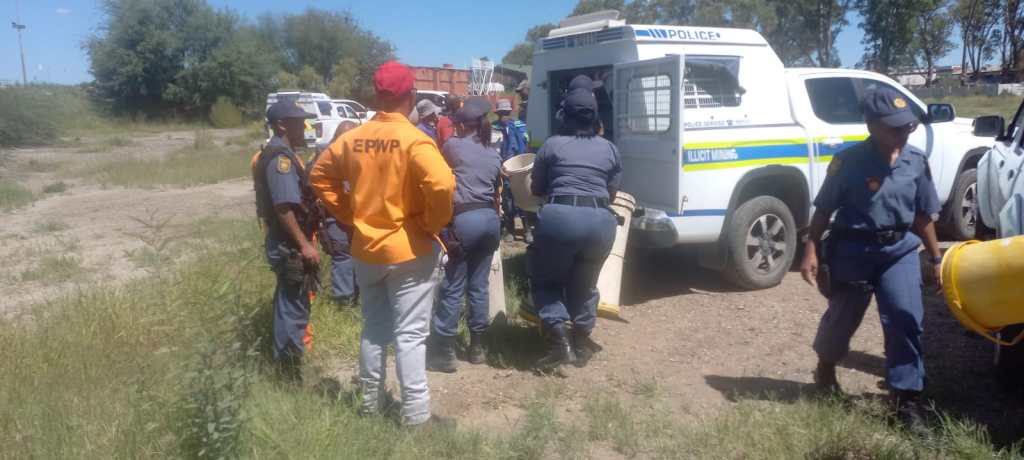
18 January 2026- The police in Assen in collaboration with local farmers have arrested four suspects in connection with the unlawful possession of a firearm and ammunition. The police said the arrests were effected on Saturday midday, 17 January 2026, after the members of Assen SAPS responded to a complaint at Kameeldrift on the R511 road.

The North West police spokesperson, Constable Thuto Bobelo said it is alleged that four suspects travelling in a white Hyundai i10 were stopped by the members of the local farming community. Bobelo said upon arrival at the scene, the police found four suspects lying on the ground under the supervision of a group of farmers.

“A search of the vehicle was conducted, during which police recovered a pistol with a magazine and several rounds of ammunition, for which no lawful ownership could be established. Cash and nine cellular phones were also seized.

“The preliminary investigations revealed that the suspects may be linked to an earlier robbery involving a police officer in Northam. All four suspects were arrested and are expected to appear before the Brits Magistrate’s Court on 19 January 2026, facing charges of unlawful possession of a firearm and ammunition, as well as robbery,” he said.

Meanwhile, the acting North West Police Commissioner, Major General (Dr) Ryno Naidoo, commended the cooperation of the farming community and reiterated the commitment of the South African Police Service (SAPS) to combat serious and violent crime in the province.

taungdailynews@gmail.com