Picture: Some of drugs confiscated by the police/Gneric
By REGINALD KANYANE
20 March 2026 – Nigerian man (37) was arrested by the police in Vryburg for possession of drugs. The suspect was arrested during routine crime prevention patrols. The police stopped and searched the suspect, during which drugs were found in his possession, leading to his immediate arrest.
The North West police spokesperson, Captain Majang Skalkie said further investigation resulted in the suspect taking the police to his residence, where additional drugs were discovered. Skalkie said a total of 5138 mandrax tablets and crystal meth were confiscated, with an estimated street value of R51 300.
“The suspect is expected to appear before the Vryburg Magistrate’s Court soon on charges of possession of and dealing in drugs,” she said.
Meanwhile, the acting North West Police Commissioner, Major General (Dr) Ryno Nadioo, commended the members for their vigilance and dedication in effecting the arrest during crime prevention duties. Nadioo said the substantial quantity of drugs confiscated further demonstrates the South African Police Service’s ongoing commitment to combating drug-related crimes.
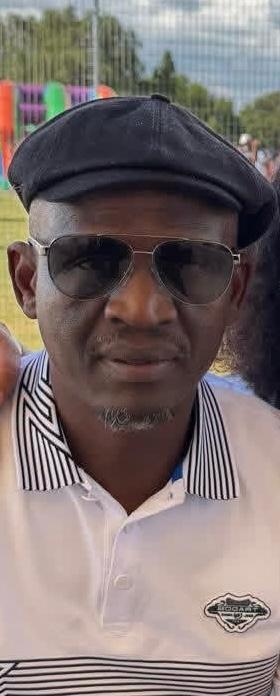
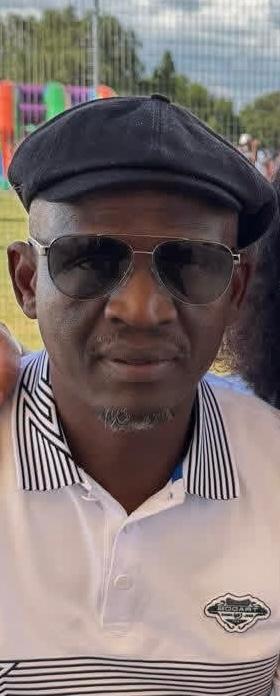
Picture: SANCO and ANC leader in North West, the late James Gadinabokao
By OBAKENG MAJE
20 March 2026- A leader of the South African National Civic Organisation (SANCO)’s ‘runaway faction” in North West, James Gadinabokao (50), who was also a member of ANC and a staunch supporter of ANC provincial chairperson, Nono Maloyi, died from head injuries. This comes after Gadinabokao allegedly slipped and fell, while in the bathroom at a local guesthouse in Vryburg this week.
It is alleged that Gadinabokao checked-in into the guesthouse in the company of a woman on Monday. However, it is alleged that on Tuesday morning, he went to the bathroom, where he slipped and fell.
It is alleged that Gadinabokao suffered a neurological impairment.
The North West police spokesperson, Captain Majang Skalkie said the police in Vryburg have registered an inquiry for further investigation following an incident. Skalkie said according to the witness, the victim was neither attacked nor stabbed, but allegedly fell and sustained a head injury while in the bathroom.
“Emergency Medical Rescue Services (EMRS) were called and ferried the victim to the Joe Morolong Memorial Hospital, where he was admitted for medical treatment. Investigation in the matter is underway,” she said.
Meanwhile, Gadinabokao died at the hospital on Friday afternoon.
Picture: SANCO and ANC leader in North West, James Gadinabokao
By OBAKENG MAJE
20 March 2026- A leader of the South African National Civic Organisation (SANCO)’s ‘runaway faction” leader in North West, James Gadinabokao (50), who is also a member of ANC and a staunch supporter of ANC provincial chairperson, Nono Maloyi, has been hospitalised with head injury. This comes after Gadinabokao allegedly slipped and fell, while in the bathroom at a local guesthouse in Vryburg this week.
It is alleged that Gadinabokao checked-in into the guesthouse in the company of a woman on Monday. However, it is alleged that on Tuesday morning, he went to the bathroom, where he slipped and fell.
It is alleged that Gadinabokao suffered temporary neurological impairment.
The North West police spokesperson, Captain Majang Skalkie said the police in Vryburg have registered an inquiry for further investigation following an incident. Skalkie said according to the witness, the victim was neither attacked nor stabbed, but allegedly fell and sustained a head injury while in the bathroom.
“Emergency Medical Rescue Services (EMRS) were called and ferried the victim to the Joe Morolong Memorial Hospital, where he was admitted for medical treatment. He remains hospitalised and investigations are ongoing,” she said.
20 March 2026- A Grade 10 female learner (16) at Pudumong Secondary School in Taung was allegedly assaulted by a male learner. It is alleged that a fight ensued between two learners during school hours after bullying allegations.
The male learner was allegedly bullying the female learner and that led to the confrontation.
The mother of the victim alleged that, she went to the school to get the gist of what had happened, however, the principal refused to assist, claiming that her daughter is naughty.
“Truly speaking, I am not happy how the principal handled this matter. I went to the school to get full details of what happened. However, the principal said he will not listen to me because my daughter is naughty.
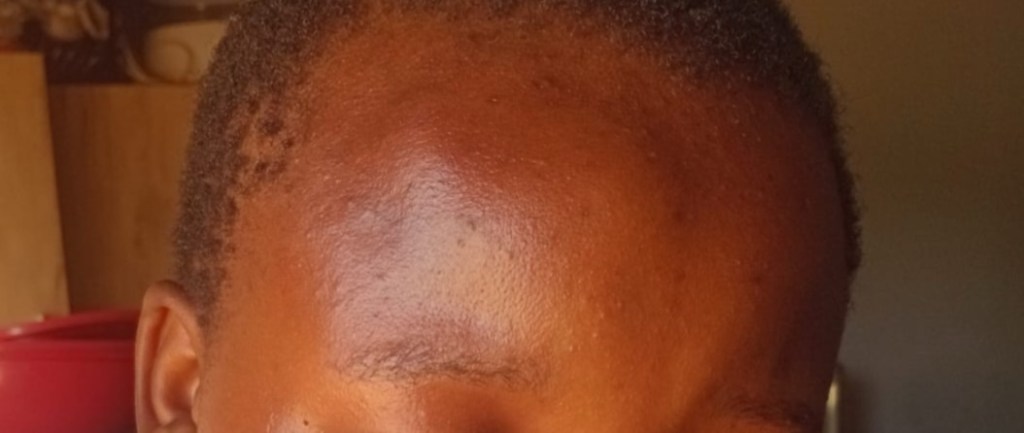
“What surprises me is that, I never received even a single complainant letter from the school regarding my daughter’s behaviour. So, my daughter is unsteadiness due to the head injuries she suffered after being assaulted by another learner,” she said.
The North West Department of Education spokesperson, Vuyo Mantshule said: “On the day, learners were fighting and the principal brought intervention and mediation. The School Governing Body (SGB) met on 18 March 2026, to set a hearing date for affected parties.
“Hearing was conducted and parents of both learners were in attendance. The parents reprimanded their children that they must adhere to the school code of conduct. Learners were both sanctioned as they both misconducted as per the outcomes of the hearing.”
Mantshule further said there was no any element of bullying, but altercation. He added that parents were happy with the sanction as meted by the Disciplinary Committee.
However, the unhappy mother opened a case of common assault against the alleged perpetrator.
The North West police spokesperson, Captain Majang Skalkie said no one has been arrested thus far, but the investigations are underway.
Setshwantsho: Meiyara o montsha wa masepala o mogolwane wa Taung
Ka OBAKENG MAJE
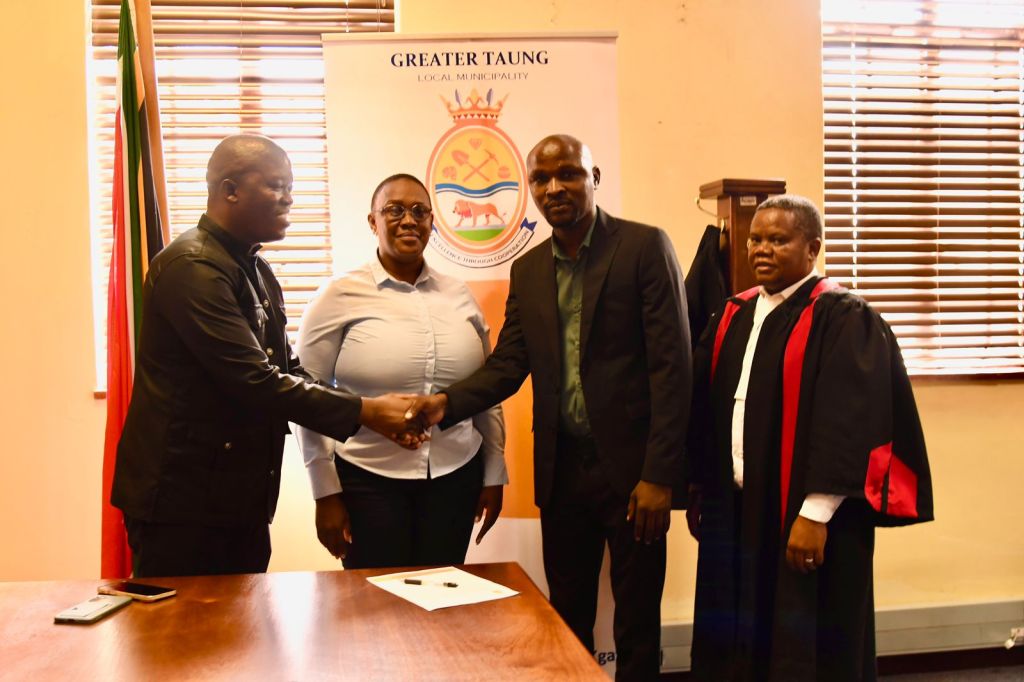
20 Mopitlwe 2026- Meiyara o montsha wa masepala o mogolwane wa Taung, Itumeleng Maribe are ene le kabinete ya gagwe, ba tlile go tla ka toga-maano e tsha mabapi le go tokafatsa thebolo ya ditirelo mono Taung. Maribe are ba amogetse dipegelo tse di farologaneng mabapi le tlhokego ya metsi, ditsela tse di sa tsamaegeng ga mmogo le mafaratlhatlha a onetseng.
Maribe are le fa tekanyetso-kabo ya masepala e sa lekana go ka dira dilo tsotlhe ka nako e le nngwe, ba tlile go leka ka bojotlhe gore baagi ba amogela thebolo ya ditirelo e e namatshang.
“Re tlile go dirisana le mafapha a farologaneng a puso ga mmogo le ditlamo tsa poraebete. Ga jaana, re mo di puisanong le setlamo se se rebolang metsi sa Vaalharts ga mmogo le masepala wa sedika wa Dr Ruth Segomotsi Mompati mabapi le go tla ka tharabololo mo tlhokegong ya metsi.
“Jaaka keteledipele, re itemogetse gore setlamo sa Vaalharts, se na le di diriswa tsa dilori tse di kgonang go aga ditsela, mme re tlile go nna le tumalano le bone gore re dirisane mabapi le go aga ditsela tse di mogare ga metse ya rona ya Taung.
“Ntlha enngwe e kwa setlhoeng ke go ngodiega ga go agiwa ga matlo a di RDP. Ka lesego, re nnile le kopano le mokhuduthamaga wa Lefapha la Dipuso Selegae le Matlo, Oageng Molapisi mo bekeng e e fetileng mabapi le go netefatsa fa diporojeke tsa kago ya matlo tse kgale di puagantswe di tswelediwa,” Maribe wa tlhalosa.
Maribe are ba tlile go netefatsa fa letsema la Thuntsa Lerole le lone le tlisa pharologanyo go baagi. Gape Maribe are ba itemogetse kgwetlho mabapi le kgaogo e tseneletseng ya motlakase, mme ba tlile go kopana le setlamo sa Eskom, go netefatsa fa go nna le tlhaeletsano magareng ga bone le baagi.
“Baagi ba tlhagisa dintlha tse di tsepameng mabapi le ditlhokego tsa bone. Sekai, bontsi jwa basha ba rona ga ba dire, mme re tlile go netefatsa gore re ba neela bokgoni (skills) go ka dira ditiro tse difarologaneng gore ba kgone go itshidisa.
“Re tlile go kopana le meepo e farologaneng gore ba re thuse go neelana ka bokgoni jo go basha ba rona. O tla gopola gore re setse fela ka dikgwedi di le supa pele ga re tsena mo ditlhopong tsa dipuso selegae,” Maribe wa tlhalosa.
Maribe are fela ba na le tshepo ya gore ba tla kgona go fetola seemo ka nako e khutshwane. Maribe o ikuela go baagi go ka dirisana le balekgotlha ba bone kwa dikgorwaneng tsa bone maitlhomo ele go netefatsa fa dingongora tsa bone di fitlhelela masepala.
“Mongwe le mongwe o a ikutlwang ekare dingongorego tsa gagwe ga di tsewe tsie, a ka goroga kwa dikantorong tsa rona tsa masepala go tla go bona thuso,” Maribe wa tlhalosa.
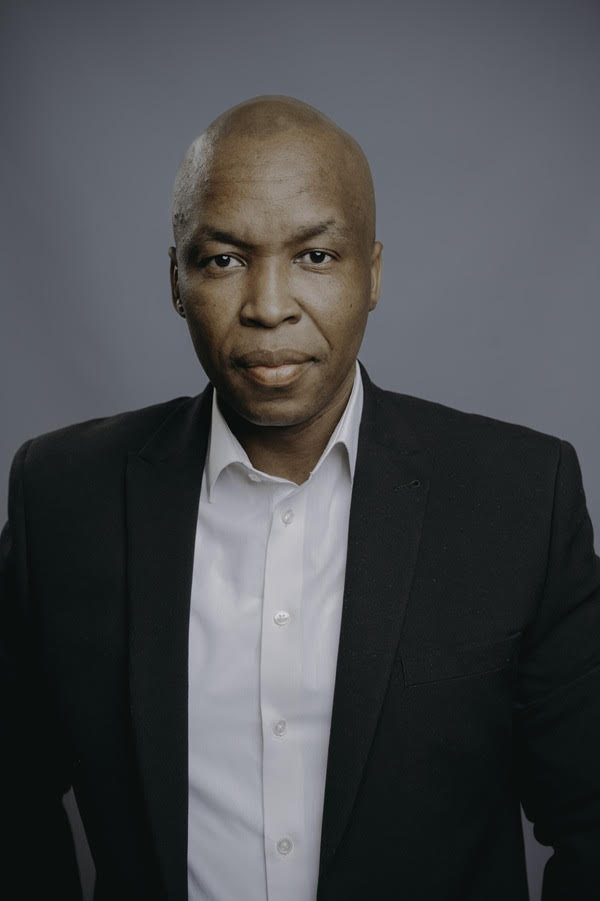
Picture: Chief Director of NWU Business School, Prof Joseph Sekhampu/Supplied
By BAKANG MOKOTO
20 March 2026- The Chief Director of NWU Business School, Prof Joseph Sekhampu said the South African municipal landscape is not collapsing in a single moment of crisis. Sekhampu said it is eroding in slow motion.
He further said hundreds of local councils operate as if the constitution demanded their existence, but not their viability. Sekhampu added that they table unfunded budgets, default on debt, and preside over the decay of water and electricity networks, and survive largely on fiscal transfusions from the centre.
“The Auditor General’s warnings that only a small fraction of municipalities remain functionally stable no longer sound like outliers, they describe the system.
“In his address to Parliament, the Deputy President struck a familiar tone, emphasising that the government is working to stabilise service delivery, particularly water, through improved coordination and stronger municipal capacity,” he said.
Sekhampu said it is a measured and reasonable response. He said yet, it also reflects a deeper assumption that the system itself remains sound and that the crisis lies primarily in how it is managed.
“With local government elections approaching, the pressure to demonstrate improvement will intensify, but the incentives to confront deeper structural questions may weaken. Yet, beneath this framing, the evidence points to a more complex reality than current policy assumptions allow.
“Our municipal map is a graveyard of political optimism. Designed for a post-1994 vision of community empowerment, it now reflects shrinking tax bases, hollowed out administrations, and territories that cannot anymore carry the institutional load placed upon them,” said Sekhampu.
He said across successive audit cycles and fiscal reviews, a consistent pattern has emerged. Sekhampu said a relatively small group of municipalities operate with some degree of stability, while a much larger share struggle under weak revenue bases, limited economic activity, and persistent governance strain.
“In many cases, particularly in areas with little underlying economic base, the issue is not administrative failure alone, but structural non-viability. The intellectual case for consolidation is clearer than our politics allows.
“After 1994, South Africa consolidated a highly fragmented system of racially defined local authorities and homeland administrations into a unified structure of municipalities, demonstrating that large-scale institutional redesign is neither unprecedented nor unthinkable,” he said.
Sekhampu said local governments only thrive when they have enough revenue, administrative depth, and authority to meet community needs. He said when these conditions collapse, decentralisation becomes a burden rather than a virtue, and South Africa sits precisely in this predicament.
Picture: The executive mayor of Dr Ruth Segomotsi Mompati District Municipality, Motseokae Maje/Supplied
By STAFF REPORTER
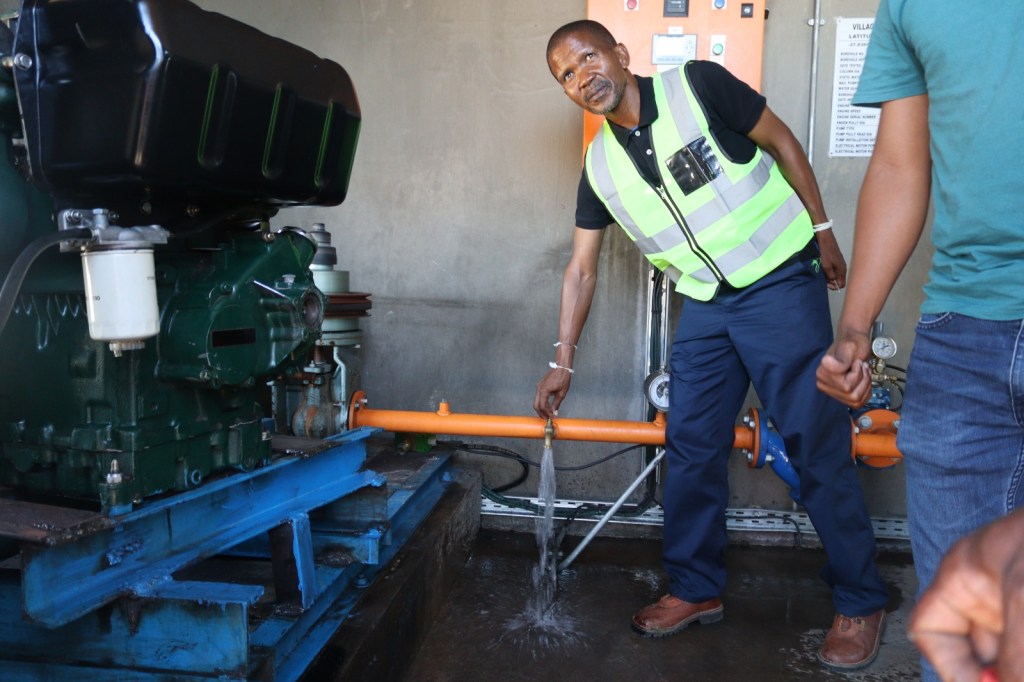
20 March 2026- The executive mayor of Dr Ruth Segomotsi Mompati District Municipality, Motseokae Maje has concluded the first leg of his roll out program of officially handing over completed Bulk Water and Sewer Infrastructure Projects. Maje said the program which commenced on Tuesday at Mamusa Local Municipality, ended at Rietfontein village in the Greater Taung Local Municipality on Thursday.
He further said in all projects, the municipality has spent close to R800 million. Maje added that in Rietfontein, he officially handed over a water project to the tune of over R17 million.
“The project entailed the construction of an elevated Steel Tank, Pipe laying and the construction of standpipes. We have interacted with our people and they are happy with the services they are receiving.
“Yes, indeed after expressing their happiness, they still caution us as government to take care of some minor aspects that we need to attend to in order to make our programs very effective and efficient. We appreciate that feedback and we are committed that within seven days we will give them responses on what we are going to do with those that they have indicated to us,” he said.
Maje said the second leg of the program is expected to be rolled out in the next few weeks.
Meanwhile, some residents in Rietfontein, have expressed their happiness regarding the provision of water. They said they will be able to wash and do their laundry, as there is plenty of water in their area.
One of the residents who refused to be named said: “We are also happy with the contractor for the good work he has done by providing us with water. We are happy now that finally we have water in our area.
“In the past, we had challenges and struggled with water. Even our livestock are now able to drink water. Our parents will no longer walk long distances to go and fetch water.”
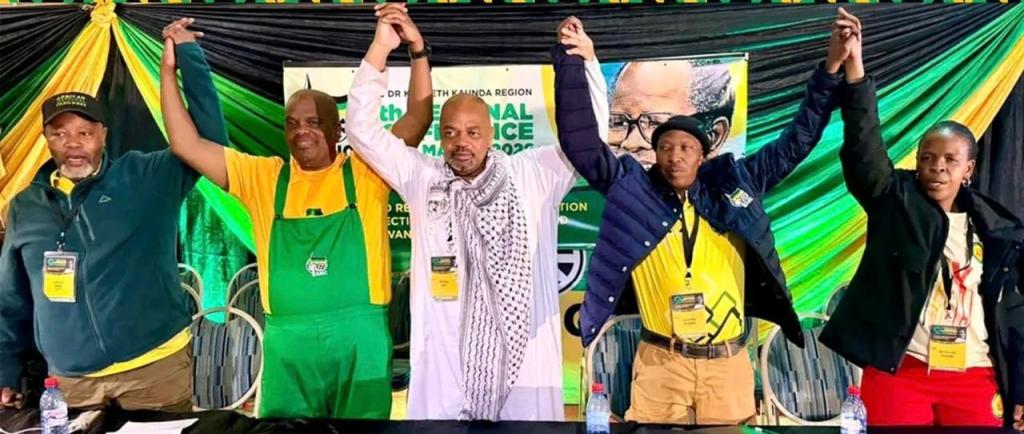
Picture: The newly-elected ANC Dr Kenneth Kaunda Region leadership/Facebook
By REGINALD KANYANE
20 March 2026- The African National Congress in the North West extended its revolutionary greetings to all delegates, veterans, and members who participated in the successful convening of the 9th Regional Conference of the ANC in the Dr Kenneth Kaunda Region. The former liberation movement said the conference took place at the Madiba Banquet Hall in Potchefstroom, bringing together delegates from branches across the region in a spirit of unity, renewal and organisational discipline.
The ANC provincial secretary, Louis Diremelo said the Provincial Executive Committee (PEC) commends the delegates for conducting a disciplined, robust and democratic conference that reaffirmed the historic mission of the ANC as the leader of society and the champion of the aspirations of the people. Diremelo said the conference deliberated extensively on the political, organisational and socio-economic challenges confronting their communities and reaffirmed the urgent need to strengthen the movement, rebuild organisational capacity and accelerate service delivery to the people of the Dr Kenneth Kaunda Region.
“We congratulate the entire newly-elected Regional Executive Committee (REC) leadership, as led by the underneath Top 5, entrusted with the responsibility to lead the organisation during this critical period of renewal.
“Gaba Thithiba ka Qhele was elected as the Regional Chairperson, Zanele Mphafudi as the Deputy Regional Chairperson, Pat Mthoa was elected as the Regional Secretary, Wanda Moilwa was elected as the Deputy Regional Secretary, while Disebo Motaung was elected as Regional Treasurer,” he said.
Diremelo further said the election of this leadership collective reflects the confidence of branches in leaders, who will advance unity, organisational rebuilding, and responsive governance. He added that the ANC calls on all members, irrespective of leadership outcomes, to rally behind the newly elected REC and work collectively to strengthen the organisation.
“The 9th Regional Conference Declaration is firmly grounded in the strategic direction of the movement as articulated by the conference delegates, guided by a plethora of frameworks. The conference resolved to prioritise the strategic tasks as organisational renewal and unity.
“This includes rebuilding strong, functional branches, enforcing organisational discipline, and deepening political education to ensure the ANC remains a mass-based and militant movement of the people,” said Diremelo.

 The Guardian