By REGINALD KANYANE
19 January 2026 – The Portfolio Committee on Forestry, Fisheries and the Environment extend its deepest condolences to the families in KwaZulu-Natal, Limpopo and Mpumalanga provinces, who have tragically lost loved ones during the recent torrential rains and floods. The committee said it stands in solidarity with the thousands of affected households whose lives have been disrupted.
The Chairperson of the Portfolio Committee, Ngabisa Gantsho said many have lost their homes, personal belongings and their primary means of livelihood, including farmland and livestock. Gantsho said the committee also acknowledges the communities in the Western Cape and Eastern Cape, where devastating wildfires have forced evacuations and destroyed properties.
“From the rising waters of the north to the raging fires of the south, the scale of destruction, from washed-away schools in Jozini to scorched farmlands in Overstrand, is a national loss. The committee recognises that, for many, the journey to recovery will be long and challenging, and the committee reaffirms its commitment to ensuring that no community rebuilds alone.
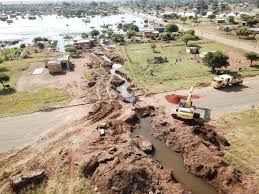
“The extent of destruction, with bridges swept away and entire villages in districts such as Vhembe, Mopani, uMkhanyakude and Ehlanzeni isolated from essential services, is a national concern. In contrast, the fires across the Cape Winelands and Overberg threaten depleting aerial firefighting budgets and the province’s water security,” she said.
Gantsho further said the heavy rains in KwaZulu-Natal, Limpopo and Mpumalanga and extreme fires in the Western Cape highlight that the climate crisis is no longer a future threat, but a current reality and clearly signals altered climate patterns. She added that the committee considers these events not just natural disasters but also urgent warnings indicating the priority of systemic changes in environmental management and protecting communities.
“The committee urges all three levels of government – national, provincial and local – to move beyond reactive disaster management and prioritising proactive climate action. Communities should also stay alert, avoid flooded areas and follow safety protocols.
“The committee strongly recommends deploying warning systems to reach the most remote rural villages well in advance of floodwaters or fires, providing training for local municipalities and ensuring emergency services have adequate resources to respond quickly,” said Gantsho.
She said educating communities about climate risks, sustainable land use and emergency procedures should be an immediate priority for the government, as these are essential for minimising climate impact vulnerability. Gantsho said similarly, new developments, such roads, bridges and human settlements, should be designed to withstand future climate-driven floods.
“The committee recognises the severe impact of these floods and fires on the natural environment and biodiversity, especially in the Kruger National Park, Garden Route National Park and neighbouring conservation areas, where they threaten the delicate balance of our ecosystems.
“Protecting our environment and wildlife is not a luxury, it is a fundamental pillar of human safety and economic stability, particularly for the tourism and agricultural sectors that support these provinces,” she said.
Gantsho said as they navigate this national disaster, the Portfolio Committee on Environment will intensify its oversight role to ensure that the Climate Change Act is implemented with the urgency it demands. She said they must build a South Africa, where their communities and their nature cannot only survive but thrive amidst a changing climate.
 The Guardian