By BAKANG MOKOTO
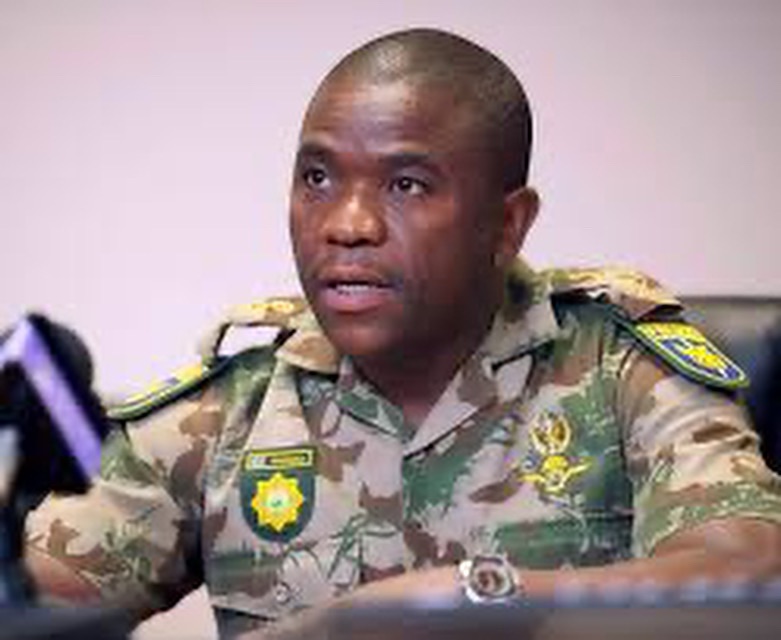
23 July 2025 – The National Assembly (NA), has today during its sitting, adopted the joint report of the Portfolio Committee on Police and the Portfolio Committee on Justice and Constitutional Development on wide-ranging allegations made by the KwaZulu-Natal Provincial Police Commissioner, Lieutenant General Nhlanhla Mkhwanazi, regarding security matters that have implications for the country’s national security.
Amid the NA Speaker’s request for the committees to consider, on an urgent basis, the wide-ranging allegations regarding security matters within their respective mandates, the committees have submitted the report within the stipulated time frame, set as no later than 23 July 2025.
The NA spokesperson, Moloto Mothapo said following the committees’ consideration of the matter, as part of their recommendations, they identified various issues arising from the allegations as falling within the NA’s accountability and oversight function. Mothapo said the issues include, the alleged unlawful decision by Minister Senzo Mchunu to disband the Political Killings Task Team (PKTT), the alleged unlawful removal of 121 case dockets from the PKTT on the direction of the Deputy National Commissioner Shadrack Sibiya, the alleged moratorium by Mchunu on filling vacancies within the SAPS’ Crime Intelligence Unit, whether Mchunu misled Parliament about the nature of his relationship with Brown Mogotsi, whether the award of a R360 million contract to Vusimuzi Cat Matlala’s company for the provision of healthcare services to SAPS was irregular and the alleged interference by IDAC in police matters, including jurisdictional issues, among others.
“The committees proposed that an Ad Hoc Committee be established in accordance with NA Rule 253, stating that the scope of such a committee is task specific and time bound, contrary to the general oversight function of portfolio committees which, in contrast, is ongoing and often requires juggling competing priorities.
“The committees also recommended, without being prescriptive, that the House considers that should it resolve to establish an Ad Hoc Committee, the process to be concluded within ninety days of the committee being instituted – provided that the timeframe may be amended or extended if necessary,” he said.
Mothapo further said the committees proposed that the approach adopted ensures that the principle of separation of powers is respected throughout, the Ad Hoc committee be appropriately resourced, including having ready access to external forensic and legal advisory services, consideration be given to the possible need to provide for the protection of potential whistle-blowers on how best to facilitate public participation and transparency.
He added that, as far as possible, meetings should be conducted openly and whenever possible, broadcast on Parliament TV and on its social media channels.
“Consideration be given on how to ensure that the work of the Ad Hoc committee does not duplicate or overlap with the work of the inquiry/investigation simultaneously being undertaken by the Joint Standing Committee on Intelligence and does not lead to conflicting outcomes.
“The committees further urged, as far as legally permissible, for continuous oversight of the work of the Commission of Inquiry and requests that the interim reports submitted to the President to also be made available to Parliament,” said Mothapo.





 The Guardian