By OBAKENG MAJE
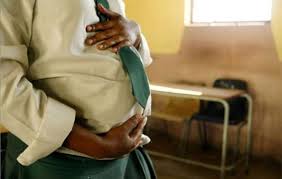
Taung District Hospital continues to experience the highest teenage pregnancy rate, the youngest was only 13. In 2021, the number of children born to teen mothers at the hospital was 257, while 243 children were born in 2022. The number dropped drastically in 2023 and the hospital has so far registered 45 children born to teen mothers in 2023 alone.
The North West Department of Health spokesperson, Tebogo Lekgethwane said: “Indeed, the hospital is experiencing deliveries above the target. We can confirm that 545 pregnant teenagers have been admitted to the hospital since 2021 and the youngest was only 13.
“In comparison between other hospitals in the Dr Ruth Segomotsi Mompati District, the data is available at the district office and it can be accessible. However, there are strategic measures in place to address this.”
Lekgethwane further said, even though the response is for the province, the affected hospital and Sub-District have the outreach programs targeting the age group to prevent teenage pregnancy. He added that the issue is being addressed together with the Department of Basic Education (DBE).
“Meetings are ongoing, which includes other departments such as South African Police Services (SAPS) and the North West Social Development,” said Lekgethwane.
Meanwhile, the Save the Children organisation said it is concerned about the well-being of both mothers and babies. The Save Children South Africa’s Health and Nutrition Thematic Manager, Marumo Sekgobela told the Relief Web organisation that, early pregnancy and motherhood in South Africa force many girls to drop out of school.
Sekgobela said it also traps many in a cycle of poverty dependent on public assistance.
“This leaves many stigmatised by society for being teenage mothers or forced into early marriage. It also creates a greater risk in terms of maternal complications resulting in low survival rates of babies and forces many girls to prematurely take on an adult role, which they are not emotionally or physically prepared for.
“This has devastating social and economic costs. Watching a child turn into a mother is heart-breaking. Children need to be children, not birthing them. It’s particularly devastating to learn that many of the girls who gave birth last year were barely teenagers,” he said.
He said the global pandemic risks being a time of irreversible setbacks and lost progress for girls. Sekgobela said, unless the country can act fast and decisively, the impact on girls’ futures – and on all our futures – will be devastating.
“There has never been a more important time to empower teenagers to take control of their sexual health and stay safe. Save the Children calls on the government to ensure that adolescents, regardless of gender, have access to comprehensive sexual and reproductive health information and services.
“We also call on families, communities, religious & traditional leaders to support reproductive health rights of teenagers. It is time that we dismantle the barriers to accessing services,” said Sekgobela.
He said unintended pregnancy among adolescents requires holistic approaches that build girl’s empowerment, help them make decisions about their lives, including around sexual and reproductive health, engage the support of men and boys in their lives, and offers them real opportunities so that motherhood is not seen as their only destiny.
Sekgobela said a key factor contributing to the sexual and reproductive health risks that adolescents face in South Africa is the lack of access to Comprehensive Sexuality Education (CSE), as well as access to affordable, and appropriate health services.
 The Guardian