By OBAKENG MAJE
The North West Provincial Legislature’s Portfolio Committee on Premier, Finance, Cooperative Governance, Human Settlements, and Traditional Affairs chairperson, Aaron Mocwana has lambasted the North West Housing Corporation (NWHC) for its lacklustre performance in complying with the committee resolutions since 2019.
The committee embarked on special oversight visits to engage all municipalities, where the province has properties. Mocwana said the committee is conducting special oversight visits on the NWHC’s cross-border properties (residential/business/vacant land) in Ga-Rankuwa and Mabopane in Gauteng.
“As part of the special oversight visits in Gauteng, the committee held a meeting with the board members and management of the entity as well as conducted visits to the properties in Mabopane and Ga-Rankuwa, where members of the committee interacted with residents who occupied properties of the entity.
“We needed a comprehensive report and plans with timeframes on what the housing corporation plans to do with those properties and vacant land. If the entity is experiencing challenges with certain government entities such as the City of Tshwane, the intergovernmental relations processes should take place such as involving the Department of Human Settlements and Office of the Premier, which can engage with their counterparts in Gauteng and other provinces to resolve the long outstanding issues,” Mocwana said.
He further said he is worried that the human settlements department is not involved in the processes as it has failed to appear before the committee on the issues of the housing corporation.
“The department is not playing its role as a shareholder within the entity. The Office of the Premier appropriated around R5million to revive the entities but there are no concrete plans on how the processes will unfold,” said Mocwana.
Meanwhile, the NWHC CEO, Sello Mogodiri said: “The entity has properties in the asset register classified as 99-lease properties (old two and four-roomed houses built before 1994 by the old South African government.

“The total number of those properties is 4886 and we also have new stock of about 4004 properties built by the former Bophuthatswana government using the loan from Sebowana Holdings (now Public Investment Corporation).”
Mogodiri added that the provincial entity has properties with lease agreements (rentals) signed by the occupants at a total of 462 and vacant land that has been purchased, where clients only paid a 10% deposit and still owe a total of 490.
He said in Gauteng, the entity has experienced several challenges which include unreliable asset register as stipulated on the audit outcomes, illegal occupation of the properties and vacant land, lack of cooperation between the entity and the City of Tshwane on some of the properties, and illegal and fraudulent selling of the properties by residents and crime syndicates.
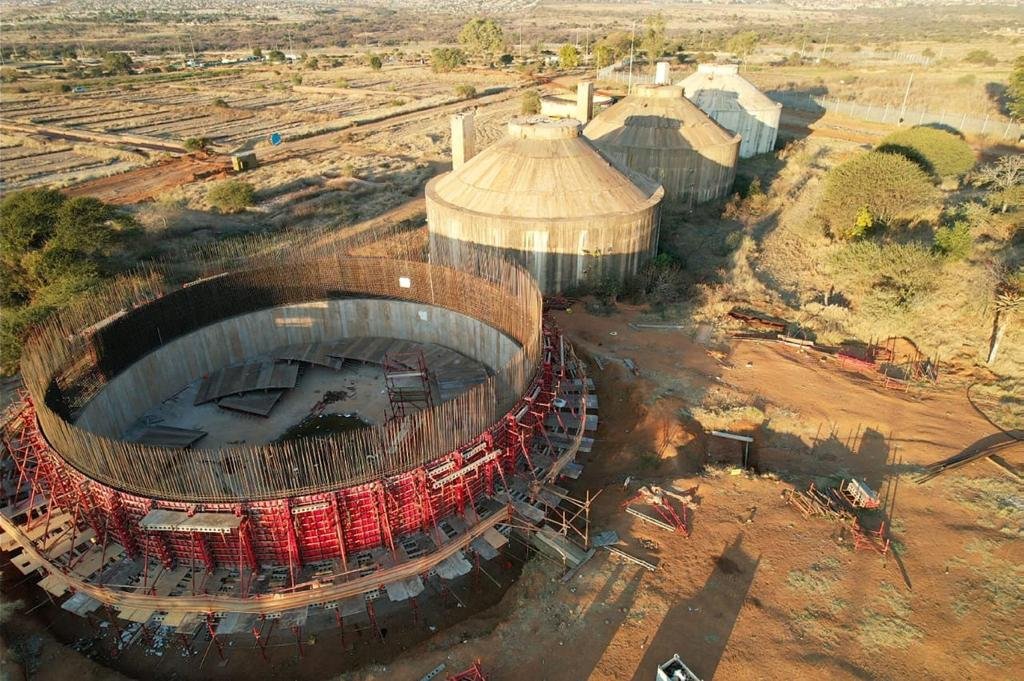
“The City of Tshwane is refusing to sign a memorandum of agreement with us and continues to sell some of our properties and vacant land. In Mabopane for example, the City of Tshwane built a wastewater treatment plant on our vacant land with a market value of R36.7million.
Mocwana said they have resolved that the entity concludes the matter of ongoing disputes on property ownership; maintaining an updated and accurate asset register, and submitting a detailed report on the number of municipalities that are reluctant to transfer old stock properties including the proof of letters that written to those municipalities.
NB: The article will be updated after receiving the City of Tshwane’s comment.
 The Guardian