THE health department in North West has paid over R41m for medical negligence.
This came to light after it emerged that 161 lawsuit cases were raised since 2011.
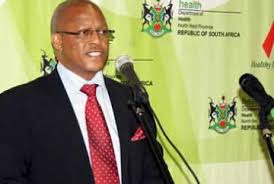
The department spokesperson, Tebogo Lekgethwane said they have put in place measures to improve services at public health institutions.
Lekgethwane said they have experienced increase on lawsuit during 2014/15 financial year.
“We have already paid over R19 million during 2014-15 financial year alone. We aim at reducing the number of medical negligence claims. This includes introduction of quality improvement projects. All patients will get pre-op exam from anaesthetist and will undergo x-rays prior to anaesthesia.
“We will also ensure that all health facilities have clinical guidelines. Our nurses and doctors will adhere to the guidelines as a preventative measure. They are also trained on adverse events management. The department will also ensure that there is competency testing and certification for doctors and nurses which is done before performing clinical procedures,” Lekgethwane said.
He said the department will engage with stakeholders, in particular the people they provide services to. Lekgethwane said this was in a quest to improve how they serve them.
“Internally, a policy on Health Adverse Incidents Management was developed. The policy focuses on proactive management of patient safety by identifying causes and strategies for prevention. The department also proposes redesigning organisational systems and behavioural choices. This is based on learning through analysis of adverse incidents.
“When an adverse incident occurred, the department will look for ways in which its health care system can be improved. We have also adopted managerial and staff behavioural choices. This will help to reduce the likelihood of a recurrence of the same event significantly,” he said.
According Lekgethwane they have also conducted internal investigation into cases of negligence. He said some of the findings included the fact that staff shortage was a particular concern in rural areas.
“There is often only one professional nurse to deal with all types of patients at each clinic. This sometimes results in neglecting emergencies. Shortage of health professionals is a national problem. However the province continues to do all possible to increase the intake of new students.
“The students are trained as doctors and nurses each year. However budget shortfalls also has a bearing on the numbers of intake. Clinical guidelines have since been distributed to all health facilities across the province. We will continue with health professional orientation and also training will be available for staff,” he said.
Lekgethwane said that the North West was the least in terms of cases and money spent on medical negligence compared to the rest of other provinces. He said that surfaced in 2014 on a seminar that was called by minister of health, Aaron Motsoaledi.
DA provincial spokesperson on health and social development, Dr Tutu Faleni said: “We are very concerned about the escalating costs of litigations brought against health department. DA is of the view that litigations against the department increase as a direct result of the ever increasing number of patients.
“Also acute shortage of critically essential medical equipment and long hours of work by health practitioners can compromise the quality of medical care. And that leads to acts of medical negligence which ultimately exposes the department to escalating costs of litigations.
Faleni said they call upon government to increase its budget allocation for the department. He said that will avoid a decline of standards in medical care at public health facilities in the province.
-TDN
Follow us on Twitter@Taung_DailyNews or @IceT_
taungdailynews@gmail.com










 The Guardian