ohannesburg – The second phase of the Farlam Commission of Inquiry is being planned and a number of possible topics are being discussed, it said on Tuesday.
A broad range of social issues could be relevant to the inquiry, the commission evidence leaders’ head Mbuyiseli Madlanga SC, said in a statement.
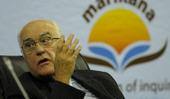
The parties had been asked to submit topics they intended canvassing at the commission, which is chaired by retired judge Ian Farlam.
The commission is investigating the circumstances surrounding the deaths of 44 people Ä 34 of them at the hands of the police Ä in strike-related violence at Lonmin’s platinum mine in Marikana, North West, in August last year.
Madlanga said it was necessary to plan the next phase to help evidence leaders decide the sequence in which topics would be addressed.
It would also help parties to the inquiry to know on which issues they could be questioned.
The commission had to decide which topics were relevant to its work and which matters should be referred to other organs of state for investigation.
The preliminary list of topics for the second phase includes:
the composition of the protesters; the lived experience of mineworkers; housing and services issues; migrant labour issues; the stratification of the mining labour force; the impact of events at Impala Platinum and Lonmin’s Karee Mine; Lonmin’s history in platinum mining in the Rustenburg area; and its social policies and practices in relation to employees.
Also on the list are: the history of the conflict between the National Union of Mineworkers and the Association of Mineworkers and Construction Union in the Rustenburg platinum industry; collective bargaining; violence; production; financial performance of platinum mining in general, and Lonmin’s platinum mines in Rustenburg in particular; investment; and unsecured credit.
Other topics listed are: issues between the Bapo ba Mogale Royal Family and the community and Lonmin or the Lonmin mineworkers; the mining charter; security; the capacity of parties to engage the state in support of their positions in industrial disputes; allegations that police tortured people arrested on August 16; and the role of local, provincial, and national government under the Regulation of Gatherings Act; and the extent to which government complied with its obligations under the act in relation to events at Marikana.
Madlanga said the parties had begun exchanging documents and witness statements relevant to the second phase. – Sapa
 The Guardian